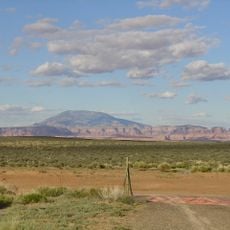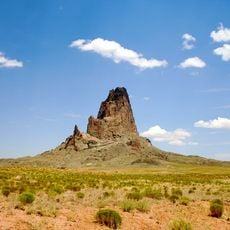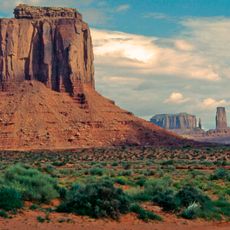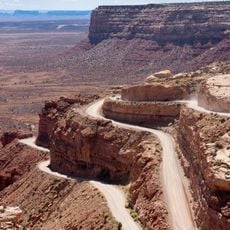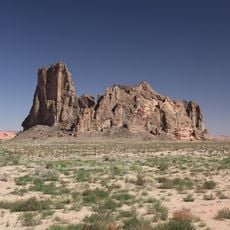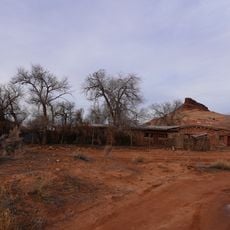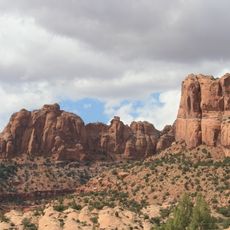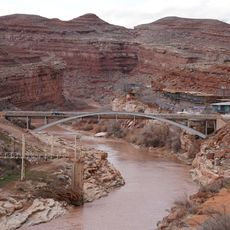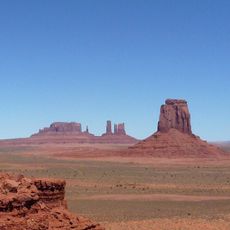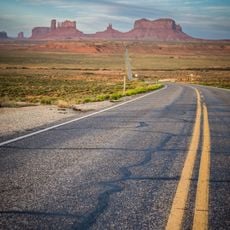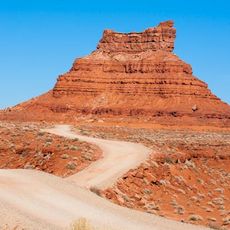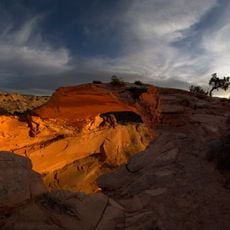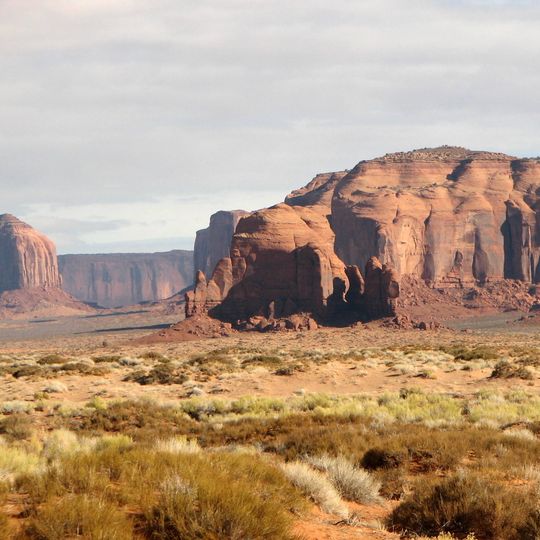
Mystery Valley, Red sandstone basin in Navajo County, United States.
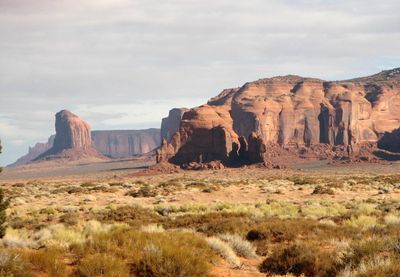
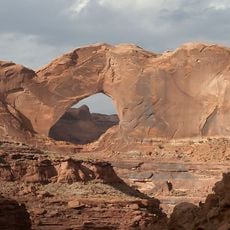
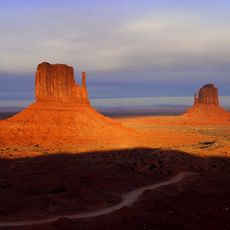
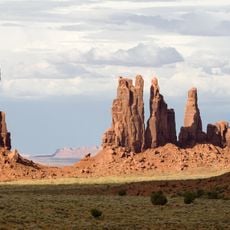
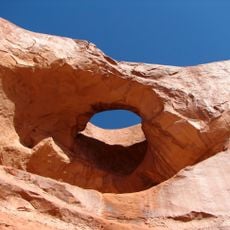
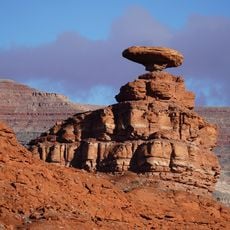
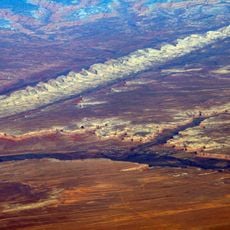
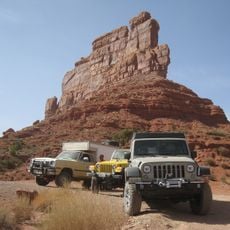
Mystery Valley contains numerous geological formations shaped by wind and water erosion, featuring natural arches, caves, and towering sandstone structures across the landscape.
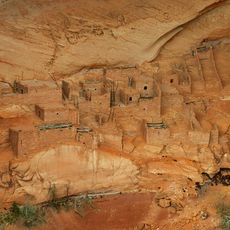
The valley holds multiple archaeological sites from Ancient Puebloan civilizations, including preserved dwellings, artifacts, and rock art dating back over 1,000 years.
The Navajo Nation maintains stewardship of Mystery Valley, integrating traditional knowledge and conservation practices to protect both natural features and archaeological sites.
Access to Mystery Valley requires a guided tour with authorized Navajo guides, with tours lasting approximately three and a half hours and costing ninety dollars per person.
The valley contains rare examples of intact Square House Ruins and House of Many Hands, which demonstrate architectural techniques of ancient Native American settlements.
Location: Navajo County
Part of: Monument Valley
GPS coordinates: 36.90861,-110.18680
Latest update: November 29, 2025 16:52
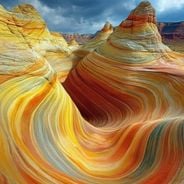
Arizona contains geological formations spanning millions of years alongside evidence of Spanish colonial settlement and prehistoric cultures. The landscape includes sandstone canyons such as Antelope Canyon X and Canyon de Chelly National Monument, extensive desert areas with saguaro and organ pipe cacti, and volcanic remnants at Sunset Crater. Historical sites include Spanish missions like Tumacácori, pueblo ruins at Montezuma Castle, and mining towns such as Bisbee and Jerome. The state holds significant paleontological sites at Petrified Forest National Park, where fossilized tree trunks from the Triassic period lie exposed, and cave systems like Kartchner Caverns with active speleothem formations. The Vermilion Cliffs region displays layered sandstone formations including The Wave, while the Chiricahua Mountains show volcanic rock pinnacles formed from welded ash. Waterfalls such as Havasu Falls and Grand Falls result from geological faulting and seasonal water flow. Archaeological sites document occupation by the Hohokam, Sinagua, and Ancestral Puebloans between 300 and 1400 CE. Tonto Natural Bridge forms one of the largest travertine bridges in North America, while Besh-Ba-Gowah shows Salado culture construction methods from the 13th century. The territory spans from the Sonoran Desert in the south to the Colorado Plateau in the north, creating distinct climate zones and ecosystems within a compact area.
Navajo Sandstone
59.4 km
West and East Mitten Buttes
13.8 km
Navajo National Monument
39.8 km
Navajo Mountain
62.3 km
Totem Pole
12.6 km
Goosenecks State Park
37.6 km
Agathla Peak
9.8 km
Merrick's Butte
12 km
Moki Dugway
46.3 km
Church Rock
20.3 km
Oljato Trading Post
18.4 km
Tsegi Canyon
37.9 km
Muley Point
40 km
Jason R. Workman Memorial Bridge
39.1 km
Pine Tree Arch
1.7 km
Lemuel H. Redd Jr. House
70.1 km
Mexican Hat Rock
42.1 km
James Bean Decker House
69.9 km
Goulding's Trading Post
11 km
Nokaito Bench
54.3 km
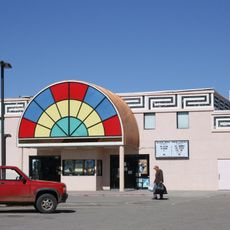
Black Mesa Twin Cinema
21 km
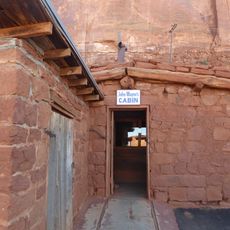
John Wayne's Cabin
11 km
Castle Butte
54 km
Monument Valley Navajo Tribal Park
9.2 km
Forrest Gump Point
27.7 km
Setting Hen Butte
52.6 km
Seven Sailors
49.2 km
Eggshell Arch
59.5 kmReviews
Visited this place? Tap the stars to rate it and share your experience / photos with the community! Try now! You can cancel it anytime.
Discover hidden gems everywhere you go!
From secret cafés to breathtaking viewpoints, skip the crowded tourist spots and find places that match your style. Our app makes it easy with voice search, smart filtering, route optimization, and insider tips from travelers worldwide. Download now for the complete mobile experience.
A unique approach to discovering new places❞
— Le Figaro
All the places worth exploring❞
— France Info
A tailor-made excursion in just a few clicks❞
— 20 Minutes