Kootenay National Park, National park in southeastern British Columbia, Canada.
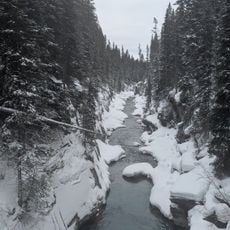
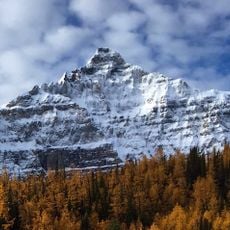
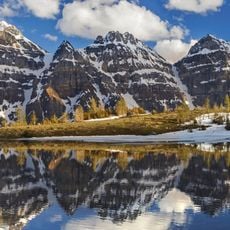
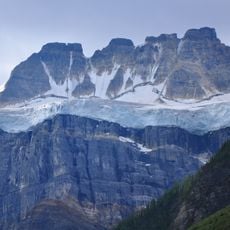
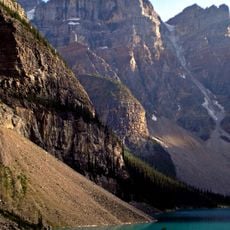
Kootenay National Park is a large protected area in the Canadian Rockies featuring mountain ranges, river valleys, and diverse terrain. The landscape includes dense forests, meadows, and waterways that support varied wildlife and plant communities.
The park was created in 1920 as part of an agreement to connect existing protected areas and develop the region's accessibility. Road construction became a key element in opening the area to visitors and settlement.
Archaeological evidence shows about 10,000 years of travel and temporary residence in the area, and pictographs in the hot spring caves mark more permanent Ktunaxa use several hundred years ago. The Ktunaxa and Kinbasket (Shuswap) First Nations used the park area as a hunting ground, and the iron-rich Paint Pots springs were of historical and cultural importance to First Nations.
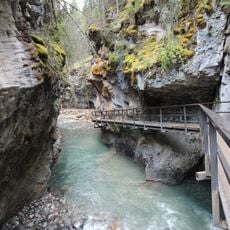
Numerous trails run through the area, ranging from short walks to multi-day wilderness expeditions. Most routes are clearly marked, though conditions vary greatly by season and elevation.
Salmon vanished from the park's rivers after the Grand Coulee Dam was built in Washington in 1933. In 1983, spawning sockeye were found in the Kootenay River, having swum upstream from Lake Koocanusa in Montana. The 1968 Vermilion Pass fire, which burned 2,500 hectares, is among the most closely studied forest fires in the Rockies.
The community of curious travelers
AroundUs brings together thousands of curated places, local tips, and hidden gems, enriched daily by 94,512 contributors worldwide.