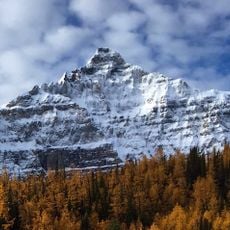
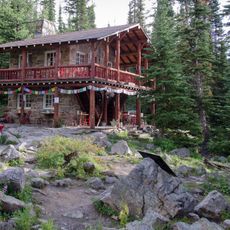
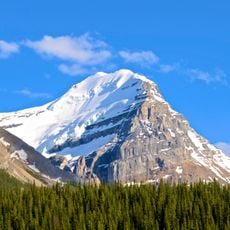
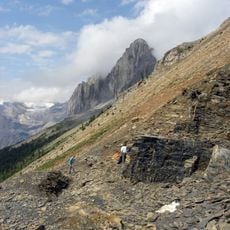
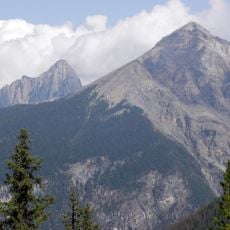
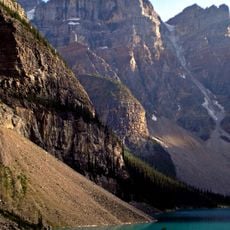
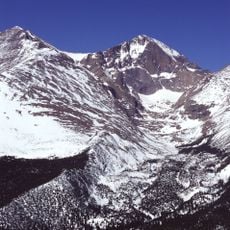
Fay hut, Mountain shelter in British Columbia, Canada.
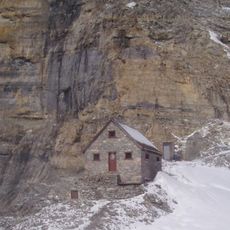
Fay Hut was an alpine hut above Prospectors Valley in Kootenay National Park, British Columbia. The original 1927 structure burned in a 2003 forest fire; a prefabricated log replacement, airlifted in 140 helicopter loads, was assembled in 2005 and slept 12 on foam mattresses. That hut burned to the ground in April 2009, leaving only its metal roof on the ground.
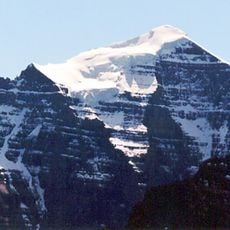
The first Fay hut was built in 1927 as the Alpine Club of Canada's first own hut, a base for climbs above the Valley of the Ten Peaks. A tree fell through its roof, and the club transferred it to Kootenay National Park in 1972; the park returned it in 1991. A forest fire that burned 12.6% of the park destroyed it in 2003. The ACC rebuilt it in 2005 as a prefabricated log building airlifted in 140 helicopter loads; it burned down in April 2009.
The hut was named after Charles Fay, a founder and first president of the American Alpine Club, who made 25 trips to the Canadian Rockies and took part in the first ascents of Mounts Victoria and Lefroy. It was the first hut the Alpine Club of Canada built itself, predated only by the Abbot Pass and Elizabeth Parker huts, which the Canadian Pacific Railway had built and later handed over.
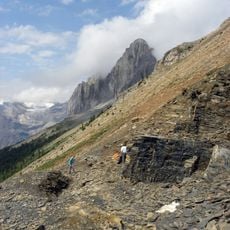
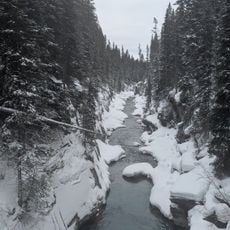
The hut no longer exists: it burned down in April 2009 and only the metal roof remained. The approach starts at the Marble Canyon parking lot on Highway 93, 6.5 km west of the Alberta border. In summer, follow Tokumm Creek for about 10 km, then climb 1.5 km past a 50 m headwall with a fixed rope; allow 4–5 hours. In winter, route-finding is harder and groups have bivouacked near the headwall.
The hut is gone: only the metal roof lies on the ground where the 2005 log building stood. The fire began where the chimney passed through the roof, likely after snow creep opened the chimney joints. The hut was uninsured and underused, so a rebuild is unlikely.
The community of curious travelers
AroundUs brings together thousands of curated places, local tips, and hidden gems, enriched daily by 94,420 contributors worldwide.