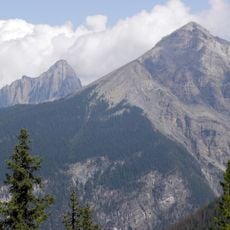
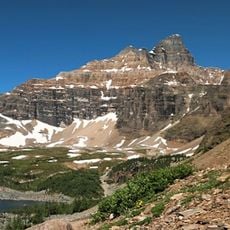
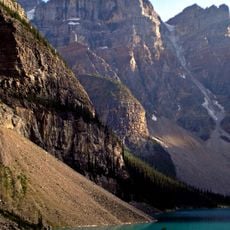
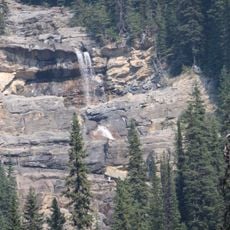
Phyllopod bed, Fossil formation in Canadian Rockies, British Columbia, Canada
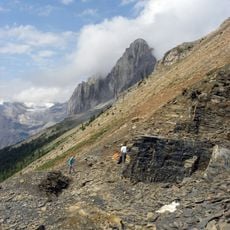
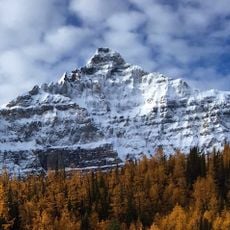
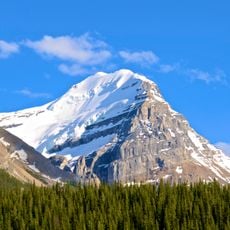
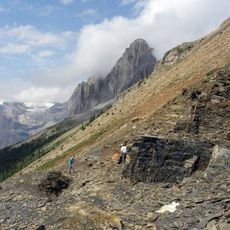
The Phyllopod bed is a fossil formation in the Canadian Rockies that preserves marine organisms from the Cambrian period within layers of sedimentary rock. The site contains the remains of hundreds of different species from this ancient era, making it an important window into early ocean life.
The site was discovered and excavated between 1911 and 1917 by paleontologist Charles Walcott, who collected tens of thousands of specimens. His work established the site as a key location for understanding early marine evolution and fossil preservation.
The site serves as a research center for international paleontologists studying the evolution of early marine life and preservation processes in sedimentary formations.
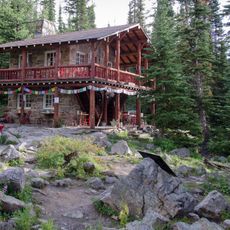
The site is located within a protected national park and requires special permits and guidance from park authorities to visit. Prospective visitors should contact park officials in advance and be prepared for high elevation and alpine conditions.
The remarkable preservation of soft tissues in the fossils resulted from bacterial mats that created conditions preventing decay after rapid burial. This type of preservation is relatively rare and makes the specimens scientifically exceptional.
The community of curious travelers
AroundUs brings together thousands of curated places, local tips, and hidden gems, enriched daily by 92,657 contributors worldwide.