Cathedral Formation, Geological formation in Alberta and British Columbia, Canada.
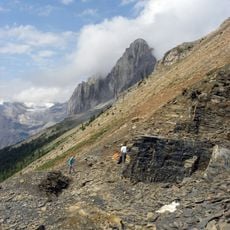
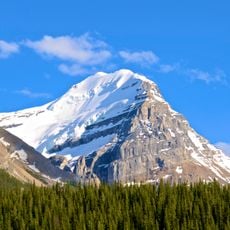
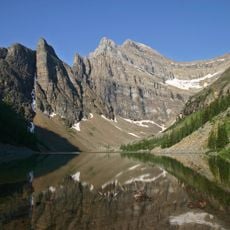
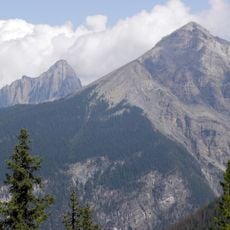
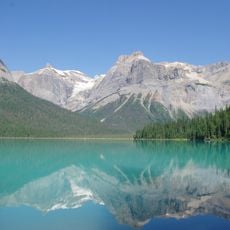
The Cathedral Formation is a geological structure in Alberta and British Columbia made of thick layers of limestone and carbonate rock. The landscape displays prominent cliff faces carved from this stone that dominate the terrain.
The formation was named after Cathedral Mountain when Charles Doolittle Walcott conducted research there that led to discovery of Burgess Shale. This location played a key role in revealing the early history of life on Earth.
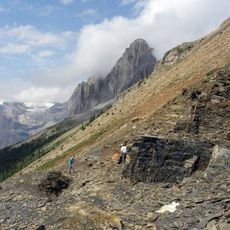
Researchers come here to study marine fossils trapped in the rocks, including trilobites and ancient microbes. Visitors can see these preserved organisms in the exposed stone layers that tell the story of prehistoric seas.
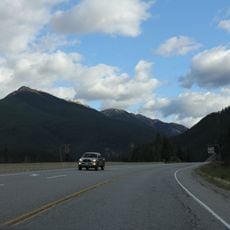
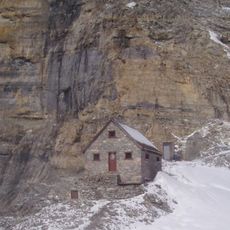
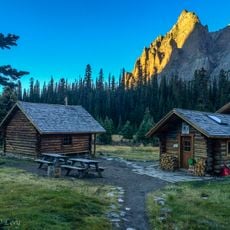
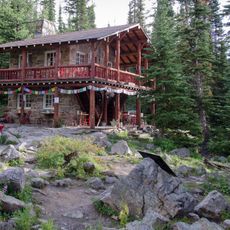
The escarpment can be viewed from various vantage points in Yoho National Park and offers good opportunities for hiking and photography. The best time to visit is outside the snowy winter months when trails and access routes are open.
The Cathedral Escarpment marks the edge of an ancient carbonate platform where muddy deposits preserved numerous organisms in exceptional detail. This preservation offers one of the clearest windows into the earliest complex life on Earth.
The community of curious travelers
AroundUs brings together thousands of curated places, local tips, and hidden gems, enriched daily by 90,906 contributors worldwide.