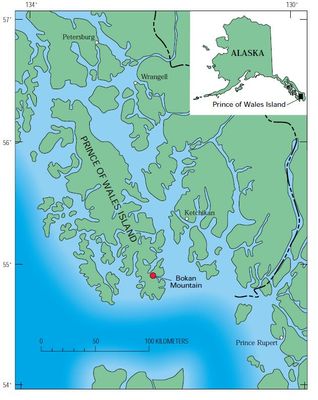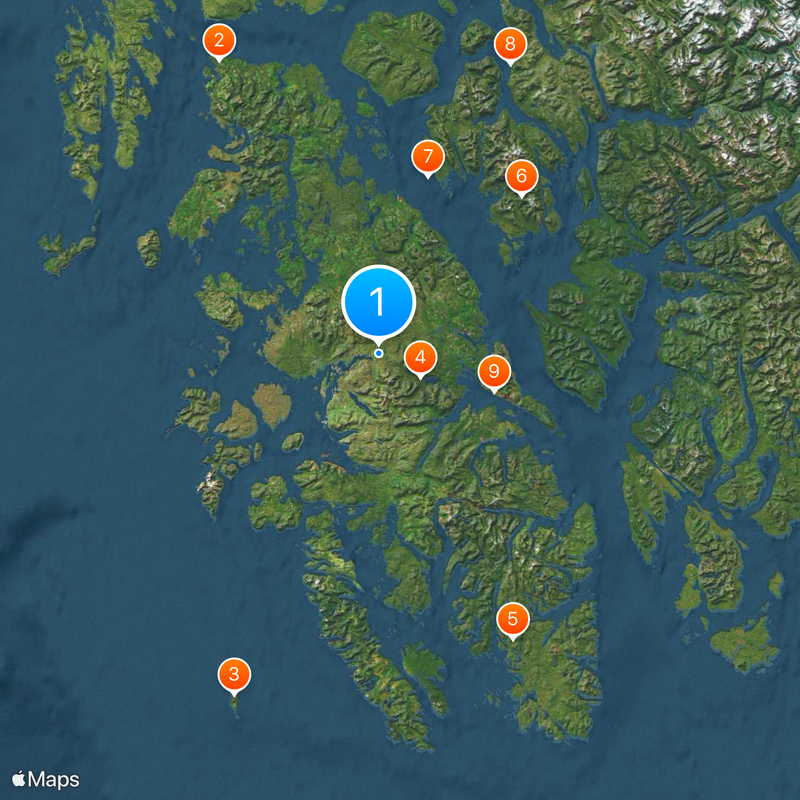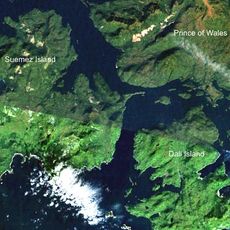
Prince of Wales Island, Remote island in Alexander Archipelago, Alaska, United States.
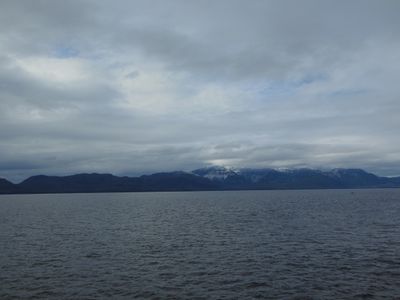
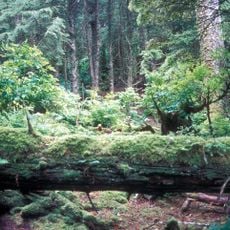
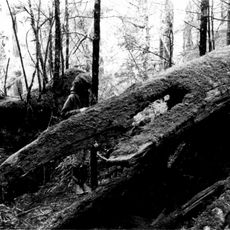
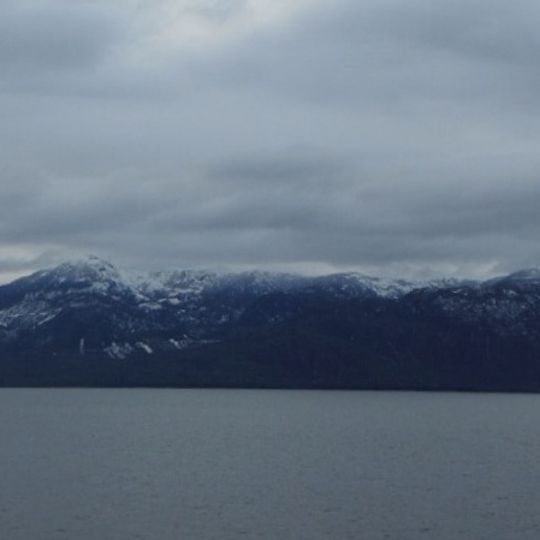
Prince of Wales Island is the fourth largest island in the United States, with a heavily indented coastline filled with bays and sheltered coves scattered throughout. The landscape consists of thick forests, numerous waterways, and remote terrain with minimal human settlement.
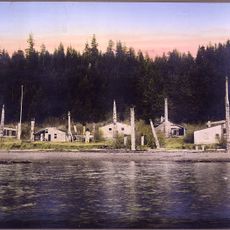
The Tlingit people inhabited the island for centuries before Europeans arrived, developing a deep connection to its waters and forests. Russian explorer Aleksei Chirikov first recorded the island during Vitus Bering's expedition in the 18th century, marking the start of documented external contact.
The Tlingit people call this island Taan, meaning sea lion, and know the wider region as xʼaaxʼ aani, which translates to crabapple country. These names still shape how locals think about and speak of their homeland today.
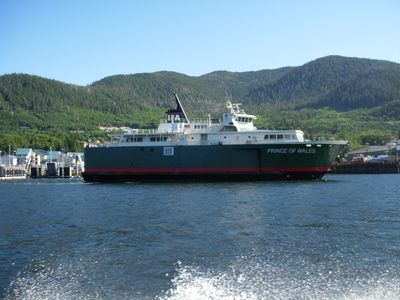
The island is sparsely populated and reached primarily by ferry, which connects it to nearby communities and handles both passenger and cargo transport. Summer months offer the best conditions for exploring, with more stable weather and better access to remote areas.
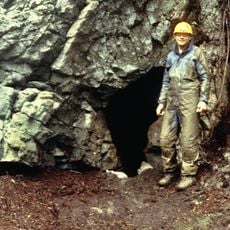
The island contains around 850 caves and grottos scattered throughout its rocky terrain, each hiding unique ecosystems and geological features. During summer, guided tours allow visitors to explore some of these underground spaces with a ranger.
The community of curious travelers
AroundUs brings together thousands of curated places, local tips, and hidden gems, enriched daily by 91,860 contributors worldwide.