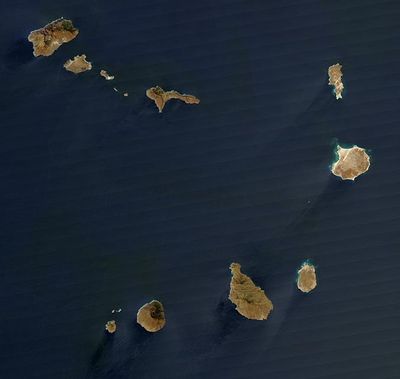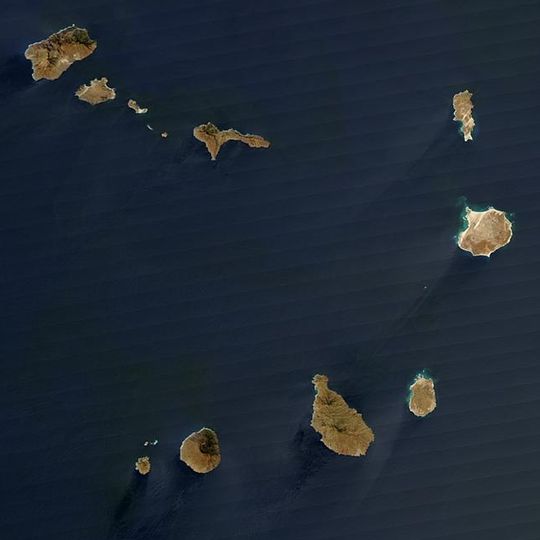
Cape Verde Islands, Atlantic archipelago in West Africa.
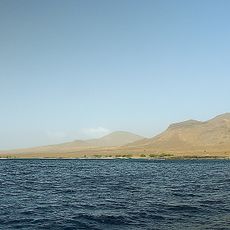
The island group lies in the Atlantic west of Senegal and includes ten inhabited islands of volcanic origin and several smaller uninhabited islets. Each island shows its own character, with rocky coasts, dry plateaus or deep valleys framed by steep cliffs.
Sailors from Portugal reached the uninhabited islands in the mid-15th century and founded settlements that later served as a base for trade between three continents. In the 20th century, colonial rule ended and the islands became an independent country.
The islands carry Portuguese names and are shaped by a creole language that mixes African and European words. In the towns, colored colonial buildings stand beside small churches, while fishermen repair their boats on the beach and women weave baskets from palm leaves.
Planes land on the larger islands, from where ferries or small propeller aircraft travel to other parts of the archipelago. Weather conditions can delay connections, so it is wise to allow some buffer when planning flights and crossings.
The volcanic cones rise directly from the sea and form steep slopes crossed by terraced fields where farmers grow sugarcane and bananas despite little rain. On one of the islands, a volcanic crater remains active and occasionally emits smoke, while the surroundings are covered in black ash.
The community of curious travelers
AroundUs brings together thousands of curated places, local tips, and hidden gems, enriched daily by 90,752 contributors worldwide.