Akamas, Coastal peninsula and nature reserve in northwestern Cyprus
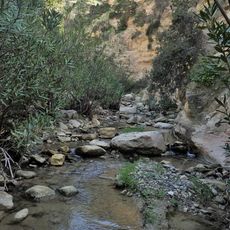
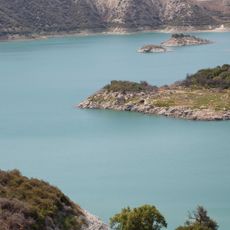
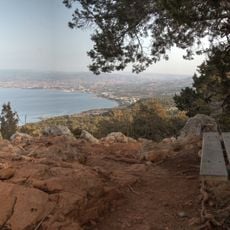
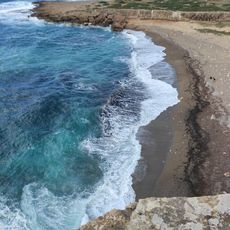
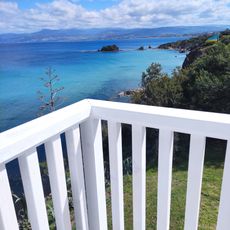
Akamas is a large cape in northwestern Cyprus that extends across hundreds of square kilometers of undisturbed natural terrain. The area features valleys, canyons, limestone formations, and sandy beaches that stretch along the Mediterranean shoreline.
The peninsula is named after Akamas, a son of Theseus who, according to tradition, landed here after the Trojan War. Until 2000 the British Army and Navy used Akamas for military exercises and as a firing range; the 1960 Treaty of Establishment allowed up to 70 days of exercises a year. Most of the peninsula was proposed for Natura 2000 protection ahead of Cyprus's EU accession, but only half of the proposed land area was designated in 2009.
The name Akamas comes from a son of Theseus who, legend says, landed here after the Trojan War. At the Baths of Aphrodite, a small grotto with a freshwater pool near Polis, the goddess is said to have bathed and met her lover Adonis; Ares killed him out of jealousy while she waited in the cave. Nearby Fontana Amorosa, Love's Spring, is said to make anyone who drinks from it overcome with youthful desire.
The terrain is mostly accessible only with four-wheel drive vehicles, especially if you want to reach remote beaches or distant viewpoints. Alternatively, boat tours offer easier access to certain coastal sections and swimming areas.
Of the 128 endemic plant species of Cyprus, 39 grow on the Akamas peninsula, among them Alyssum akamasicum, which is found nowhere else. The European Environment Agency listed Akamas as one of only 22 areas of endemism in Europe. The endemic butterfly Glaucopsyche paphos can also be seen here.
The community of curious travelers
AroundUs brings together thousands of curated places, local tips, and hidden gems, enriched daily by 93,576 contributors worldwide.