La Motte, Tidal island and archaeological site in Saint Clement, Jersey
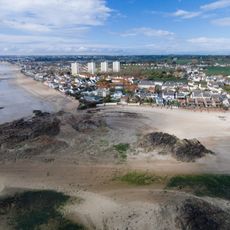
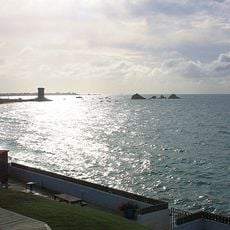
La Motte is a tidal island about 200 metres from the beach in Saint Clement, Jersey, rising 17 metres above sea level. It has a grassy surface over clay, surrounded by rocks, and is built from late Pleistocene rock covered with loess. It is cut off twice a day by the tide.
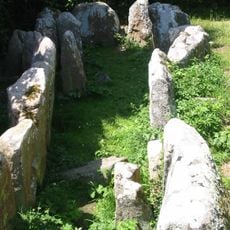
Neolithic visitors left a cairn, middens and cists on the island, with the burials dated between 1500 BC and 300 BC. The 18 cists were excavated between 1911 and 1914 and moved to the La Hougue Bie museum. A cemetery on the island is attributed to later settlers.
The name La Motte is French for "the mound", describing the island's shape; it is also called Green Island. The 18 cists excavated between 1911 and 1914 were moved to the La Hougue Bie museum, so the burials found here are now seen there rather than on the island.
Visiting is only possible at low tide when the island connects to the mainland, so tide timing is essential for planning your visit. Wear sturdy shoes and watch for uneven ground and rocks that can affect access to the site.
The 18 cists found on La Motte were excavated between 1911 and 1914 and moved to the La Hougue Bie museum, so the burials are no longer on the island. The surrounding beach and area were listed as a site of special scientific interest in 2009 for their late Pleistocene rock and loess.
The community of curious travelers
AroundUs brings together thousands of curated places, local tips, and hidden gems, enriched daily by 94,360 contributors worldwide.