Liechtensteiner Binnenkanal, Flood control canal in Liechtenstein
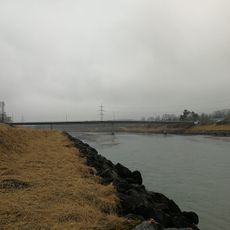
The Liechtensteiner Binnenkanal is a flood control channel in Liechtenstein with engineered banks and a structured bed designed to guide water flow effectively. The system uses controlled geometry to safely manage large volumes of water.
The idea of a canal across Liechtenstein was debated in the Landtag from 1894, and a short precursor section was dug between Schaan and Bendern in 1834. Parliament approved the plans on 7 July 1930, and construction ran from 1931 to 3 April 1943, costing 4.6 million Swiss francs. The Esche and eleven other alpine streams were diverted into the channel.
The canal's name, Binnenkanal, means "inland canal" in German, distinguishing it from the Rhine it parallels. Its construction from 1931 to 1943 provided work for local residents during the economic crisis. Today the revitalized banks near Ruggell are used as a recreation area, especially in summer.
The waterway can be accessed from multiple points, and the accompanying paths are open to visitors. Wear suitable footwear as the banks can be slippery depending on weather conditions.
The canal's mouth in Ruggell was reshaped with small water ramps and a second parallel bed; a year later eleven fish species were recorded there. The bank forest along the Rhine was kept, and grey wagtails, kingfishers, dippers and little ringed plovers nest along the water.
The community of curious travelers
AroundUs brings together thousands of curated places, local tips, and hidden gems, enriched daily by 94,081 contributors worldwide.