Salzkammergut, Cultural district in Upper Austria, Austria
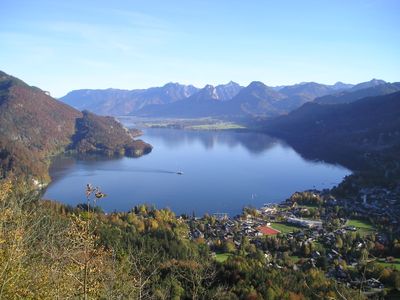
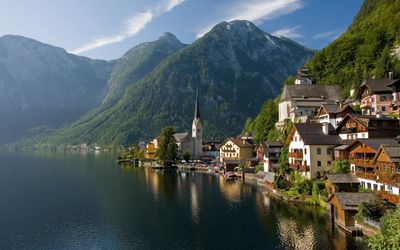
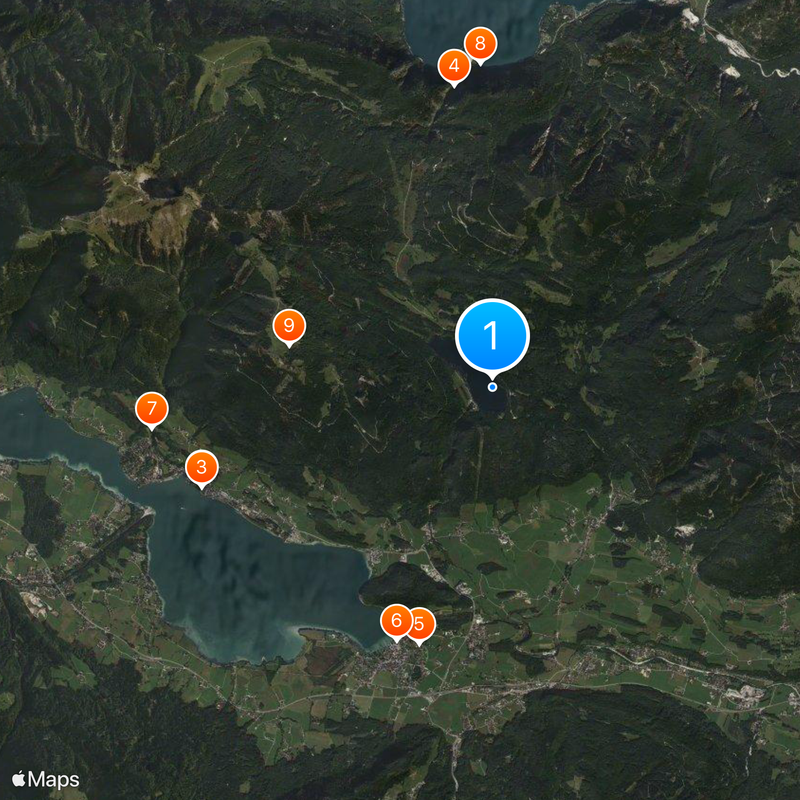
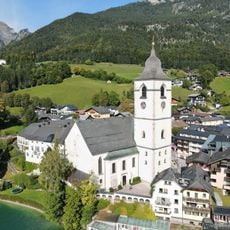
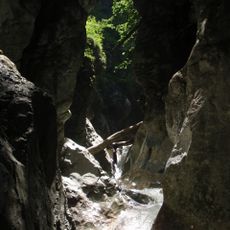
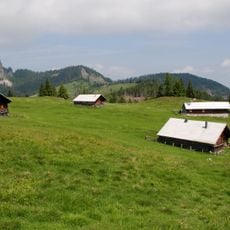
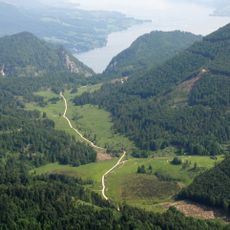
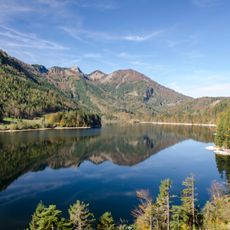
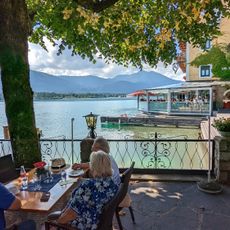
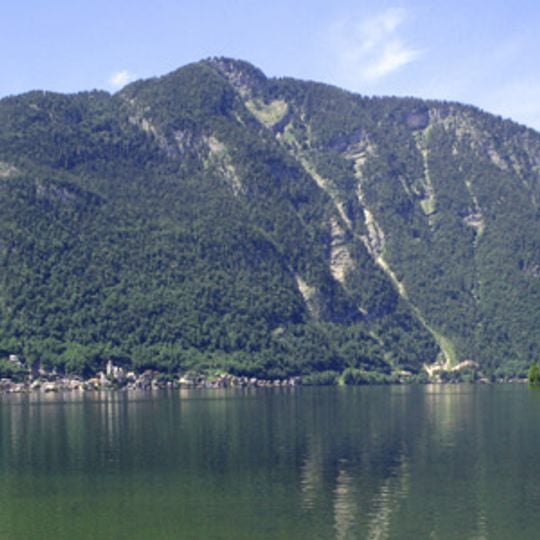
Salzkammergut is a cultural landscape in the Austrian Alpine foothills that spreads across 58 municipalities between Salzburg state and the Dachstein massif, known for its many lakes and limestone formations. Mountains, forests, and villages alternate to form a varied landscape with deep valleys and rolling hills.
Salt mining began here already in Celtic times and shaped the region's economic development for centuries. Between 1745 and 1850, the Imperial Salt Office in Gmunden managed the operation of the salt works and secured revenues for the Habsburg monarchy.
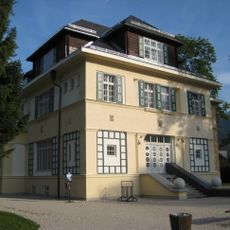
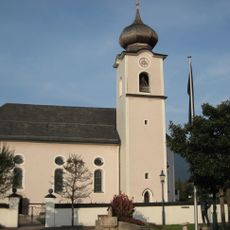
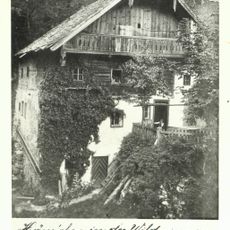
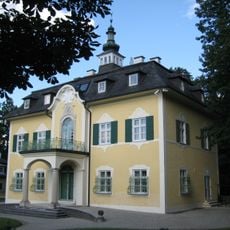
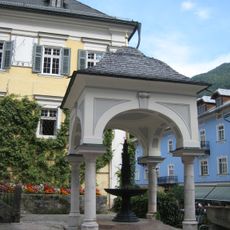
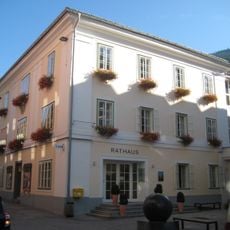
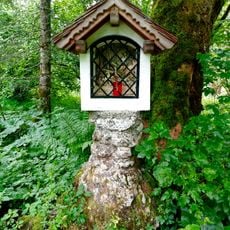
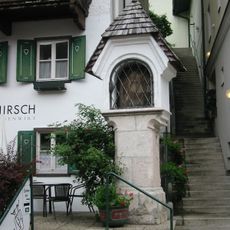
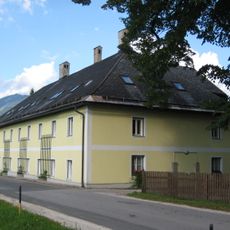
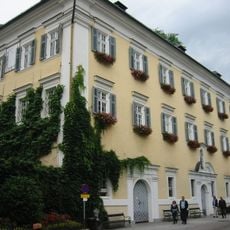
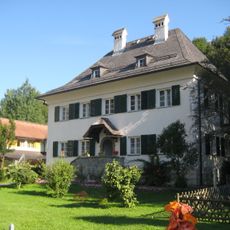
The name comes from centuries of salt extraction that brought wealth to the area and remains visible today through visitor mines and local museums. Many villages show white-plastered houses with painted shutters and carved wooden balconies that recall alpine building traditions.
A large network of trails with more than 40 hiking routes runs through the entire region and offers connections between the different lakes and mountain passes. Many paths are well marked and easy to walk in summer, while some sections close in winter or require proper equipment.
During World War II, the tunnels of Altaussee Salt Mine served as a depot for artworks from across Europe, intended to protect them from destruction. Today, multimedia exhibitions in the tunnels show the history of this unusual use and the dramatic efforts to save the objects.
The community of curious travelers
AroundUs brings together thousands of curated places, local tips, and hidden gems, enriched daily by 90,814 contributors worldwide.