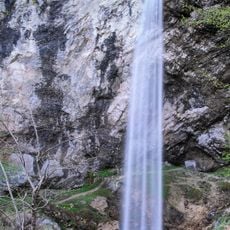
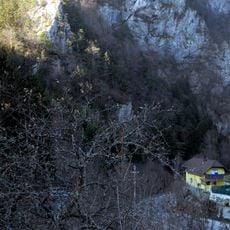
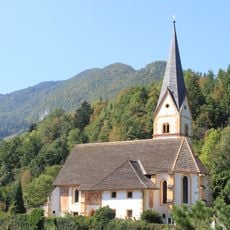
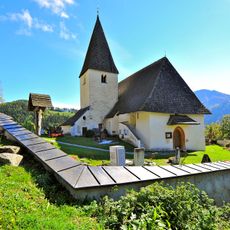
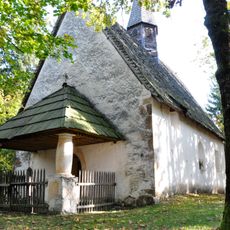
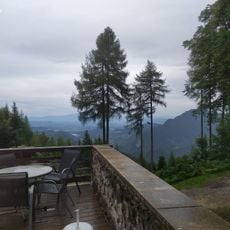
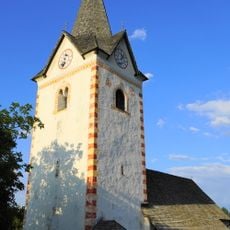
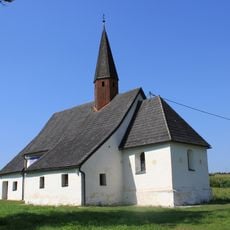
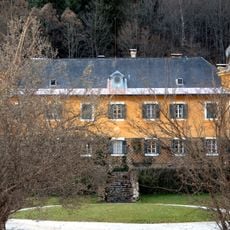
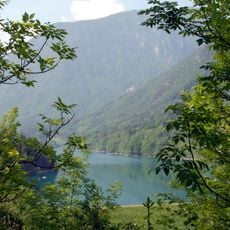
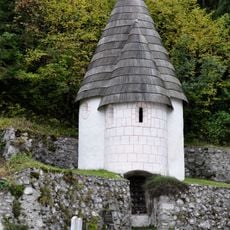
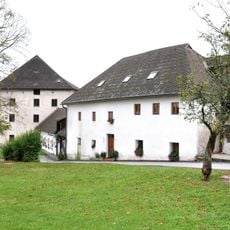
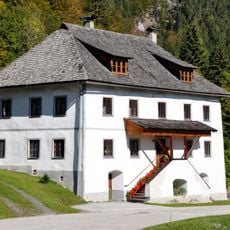
Obir Dripstone Caves, Natural cave system in Bad Eisenkappel, Austria.
The Obir Dripstone Caves lie at about 1,000 metres on the Obir massif, a mountain of Wetterstein limestone rising to 2,142 metres. The cave system extends over 5 kilometres and is entered through a 240-metre tunnel. Inside are natural stone chambers such as the Lange Grotte, the Wartburghöhle and the Kleine Grotte with its chapel, plus the Orgel, a 6-metre-high, 12-metre-wide calcite wall whose stalactites resemble organ pipes.
Workers digging for lead ore in 1870 found this cave system beneath the mountain. The stone formations developed gradually over a period of around 200 million years as water and minerals moved through the rock.
The cave tour follows the story of the miner Marian Rosic, who according to legend entered the natural chambers after a blast in 1870 and broke off a stalactite; the mountain spirits then turned him into stone. At 25 interactive stations, multimedia technology tells his tale and explains the cave.
A shuttle bus runs from the centre of Eisenkappel-Vellach up to the cave entrance. The tour leads through a 240-metre mining tunnel into the cave system, where the year-round temperature is 8 °C, so warm clothing is useful. Visits are possible daily from March to November.
The cave's best-known formation is the "Orgel", a calcite wall 6 metres high and 12 metres wide whose rows of dripstones resemble organ pipes. In the Kleine Grotte hangs an excentrique, a stalactite that grows sideways as a hook rather than straight down. Small lakes also lie in some parts of the passages.
The community of curious travelers
AroundUs brings together thousands of curated places, local tips, and hidden gems, enriched daily by 92,600 contributors worldwide.