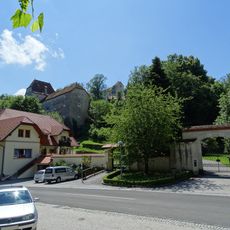
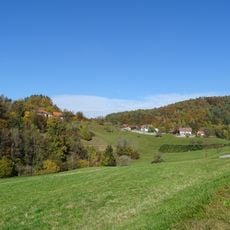
Burg Plankenwarth, Medieval castle in Sankt Oswald bei Plankenwarth, Austria
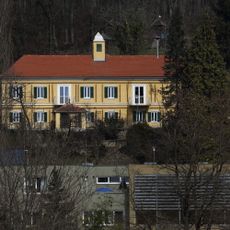
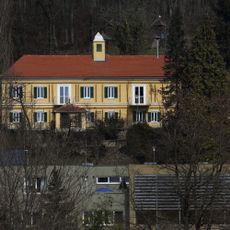
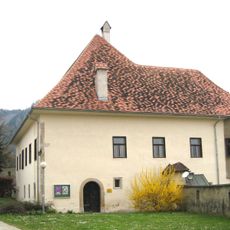
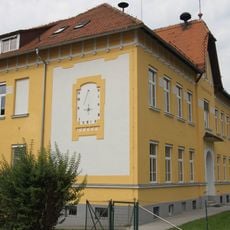
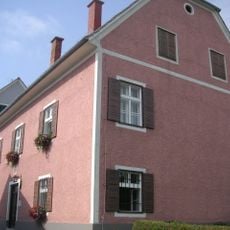
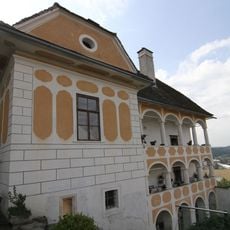
Burg Plankenwarth is a hilltop castle on the Jägerberg with a trapezoid plan and walls up to three metres thick. A round tower stands on the west wall and a half-round tower on the north; the square keep on the east side is built up from the courtyard. The triangular inner courtyard has late-Renaissance column arcades, and Joseph Hueber designed the Baroque interiors after 1754.
The castle was first documented in 1265 as the seat of the Plankenwarth family before passing to the Ungnad family in 1430 through inheritance. This change of ownership introduced new architectural approaches and marked a shift in how the property was managed and developed.
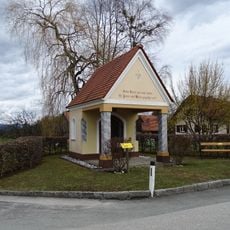
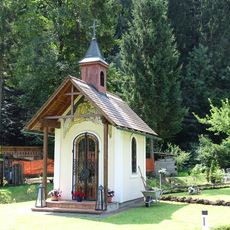
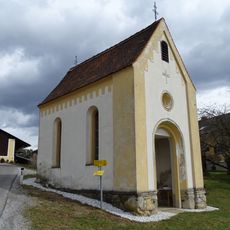
The name likely comes from Old High German "planch", meaning shining, not from the legend of a lord beaten with planks. The castle chapel, dedicated to Saint George and documented since 1594, was given a baroque stucco ceiling with fresco medallions around 1680; its altar dates from the mid-17th century. The owner makes some rooms available for exhibitions and concerts.
Visits require advance arrangement as the castle is privately owned and not open to the public without permission. Access is on foot from a designated parking area, making prior contact with the owner essential before planning a visit.
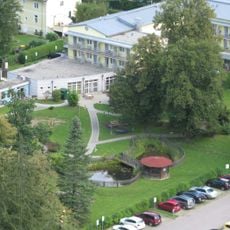
From 1943 to 1945 the Wannsee Institute, an SS-run office relocated from Berlin because of the bombing, worked from the castle, planning espionage and sabotage against the Soviet Union. The sanatorium conversion came later, from 1954, and the property has belonged to a Graz lawyer's family since 1981.
The community of curious travelers
AroundUs brings together thousands of curated places, local tips, and hidden gems, enriched daily by 93,704 contributors worldwide.