Almkanal, Medieval canal system in Salzburg, Austria
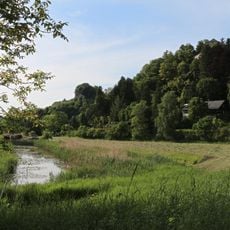
The Almkanal is a water system that has run through Salzburg since medieval times, partly underground beneath the Old Town. Water from the Königsseeache river has historically powered mills, craft workshops, and later electricity generation.
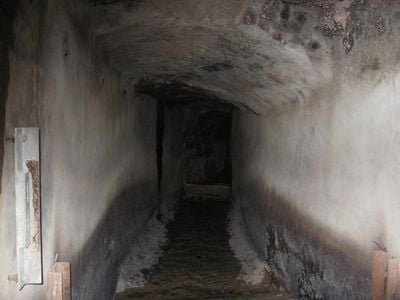
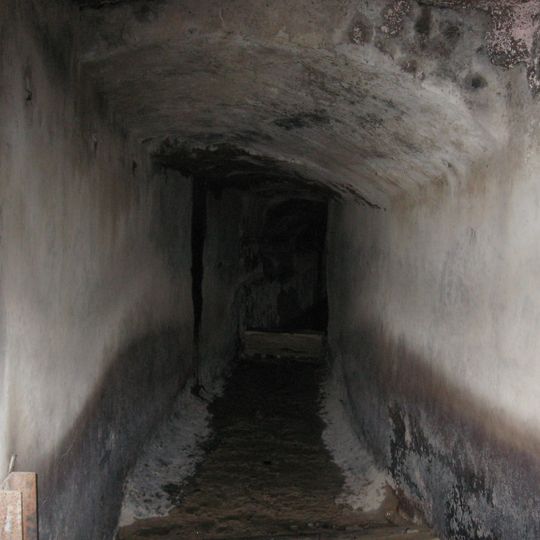
The oldest part, today's Müllner Arm, probably dates from the 8th century. Between 1137 and 1143 the cathedral chapter and St. Peter's Abbey dug the 370 m Stiftsarmstollen through the Mönchsberg, about 0.8 to 1.2 m wide and 1.5 to 2.2 m high. In 1286 Kuno von Guetrat allowed a 5 km cut from the Rosittenbach to the Königsseeache, and in 1335 Archbishop Friedrich III granted citizens free water withdrawal, after which the Städtischer Arm was built.
The canal's name comes from the Königsseeache, once called the Alm or Albe. Each September the three-week Almabkehr closes the channels: they are fished out, drained and repaired. At the Petersfriedhof entrance a wooden mill wheel was reinstalled in 2006, making St. Peter's mill and its bakery, the city's oldest, visible again.
The waterway is accessible from several points in the Old Town, especially along the riverside paths open to pedestrians. Visitors should know that some underground sections are not publicly accessible, so viewing focuses on above-ground sections and paved walkways.
The wooden mill wheel at the Petersfriedhof entrance was re-installed in 2006, making the Stiftsmühle and the adjoining Pfisterei visible again from outside; the abbey bakery is considered the oldest in Salzburg. The wheel is turned by the Stiftsarm emerging from the Mönchsberg.
The community of curious travelers
AroundUs brings together thousands of curated places, local tips, and hidden gems, enriched daily by 93,606 contributors worldwide.