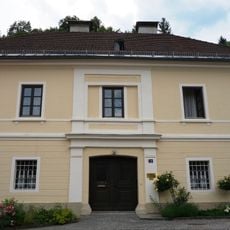
Griffener Tropfsteinhöhle, Natural limestone cave in Griffen, Austria
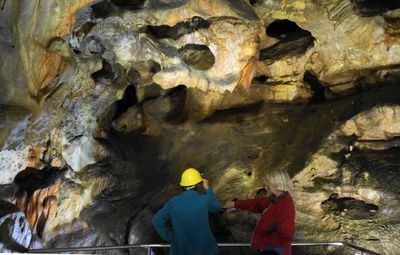
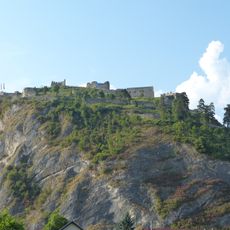
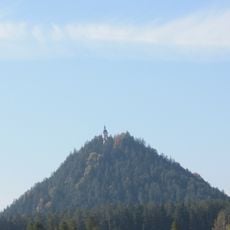
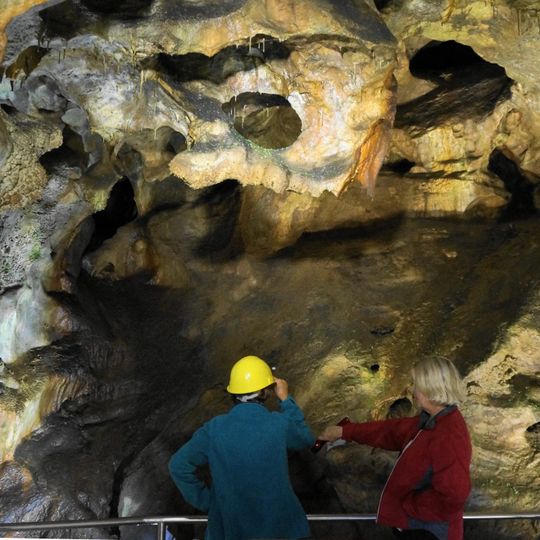
Griffener Tropfsteinhöhle is a natural limestone cave in Griffen that extends through multiple chambers beneath the castle mountain. The interior displays numerous stalactites and stalagmites formed over long periods by dripping water.
The cave served as a shelter for humans more than 20,000 years ago, then was forgotten for a long time. Two fireplaces, bones of cave bear, giant deer and woolly rhinoceros, and stone tools found inside proved that the market town of Griffen is one of the oldest settlement areas in Carinthia. The cave was rediscovered only in the last months of World War II, during a search for suitable air-raid shelters.
The name refers to the dripping stone formations that visitors encounter while walking through the passages. These mineral deposits are created by water and limestone working together, shaping how the underground space looks and feels.
Visitors should wear sturdy shoes and warm clothing since the cave maintains a constant temperature of 8 degrees Celsius year-round. The paths inside are sometimes narrow and steep, requiring careful footing, especially on damp surfaces.
The cave's formations earned it the title "most colorful stalactite cave in Austria". It is 485 metres long, considerably shorter than the Obir cave southeast of Klagenfurt, and the final section of the guided tour uses a multimedia time journey to trace Earth's formation up to recent times.
The community of curious travelers
AroundUs brings together thousands of curated places, local tips, and hidden gems, enriched daily by 94,096 contributors worldwide.