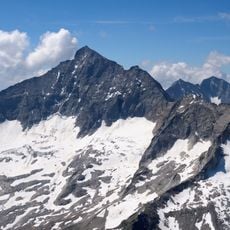
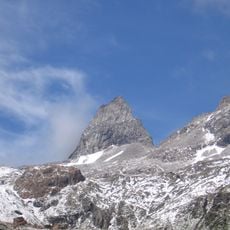
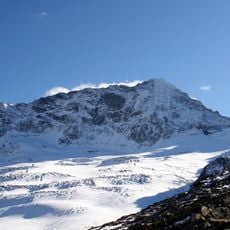
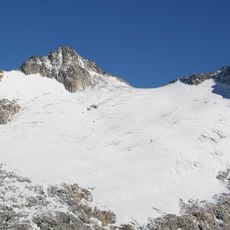
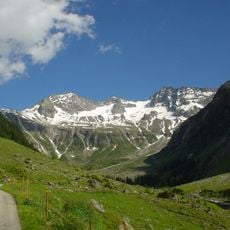
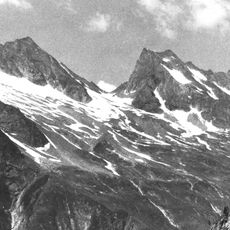
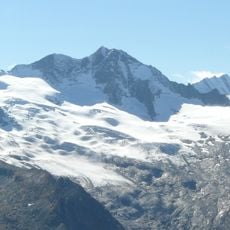
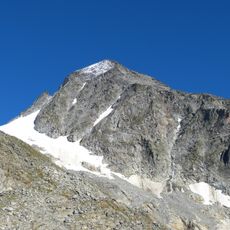
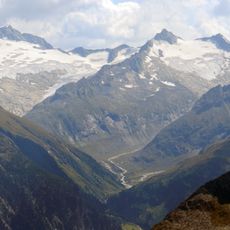
Großer Mörchner, Alpine summit in Tyrol, Austria
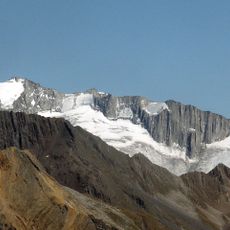
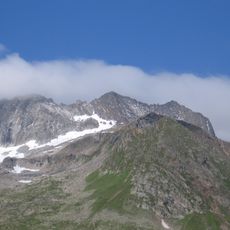
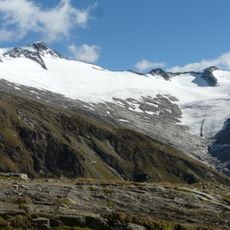
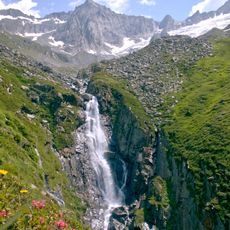
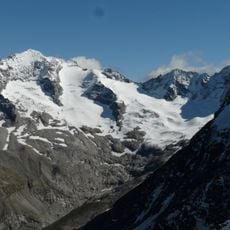
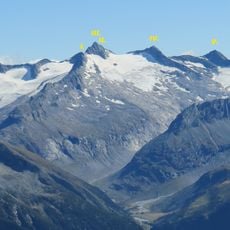
Großer Mörchner is a summit in the Zillertal Alps characterized by steep rock faces and glacial formations at high altitude. The approach involves traversing challenging terrain with significant elevation gain and exposure to mountain weather.
The first recorded ascent occurred in 1846, marking an early milestone in alpine exploration of the region. Since then the peak has become a destination for experienced mountaineers seeking challenging routes.
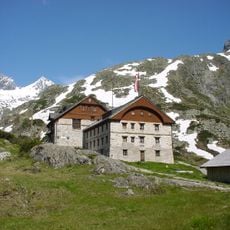
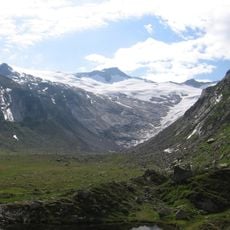
The mountain's name comes from the Mörchnerkees glacier on its northwest side; the Kleine Mörchner (3198 m) lies across the Mörchenschneidscharte. Climbers today use the Schwarzensteinhütte (3026 m), reached from Luttach in the Ahrntal, as their base. The Berliner Hütte also serves as a starting point, about four hours from the summit.
Summer months offer the best climbing conditions with lower snow coverage and reduced rockfall hazard. Most climbers begin early in the day to take advantage of stable weather windows and daylight.
The first ascent on 19 August 1846 by Karl Thurwieser, Georg Lechner, Vitus Hotter and Anton Wechselberger was hampered by fog, so Thurwieser recorded that no view was possible. They descended to the Granatenhütte, a mineral collectors' shelter that no longer exists, near today's Berliner Hütte.
The community of curious travelers
AroundUs brings together thousands of curated places, local tips, and hidden gems, enriched daily by 93,680 contributors worldwide.