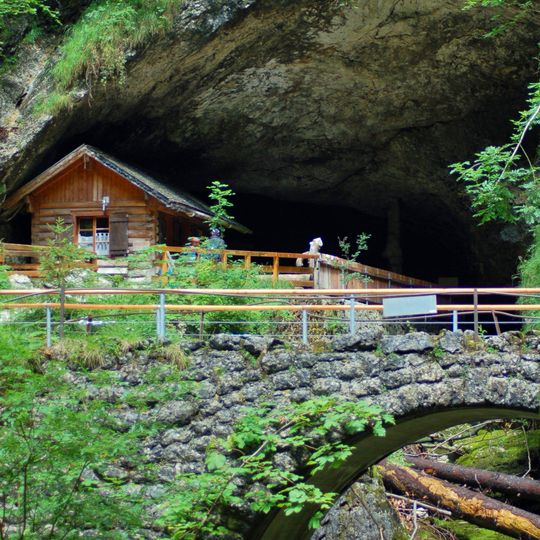
Koppenbrühlerhöhle, Natural monument cave in Obertraun, Austria
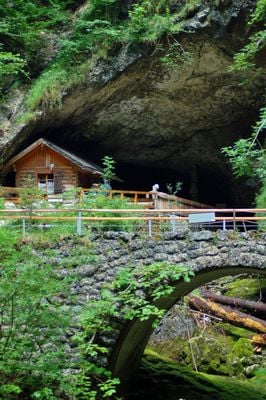
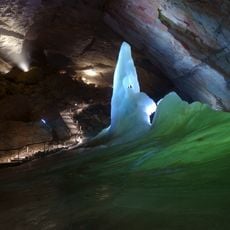
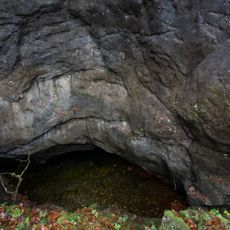
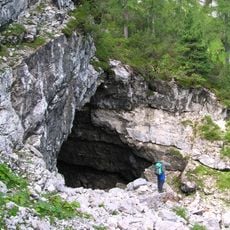
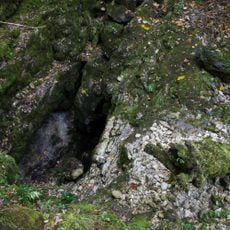
Koppenbrühlerhöhle is a cave system within the Dachstein mountains that contains underground waterways running through the rock. A large spring emerges at the entrance, with seasonal water flows creating distinctive features at the cave opening.
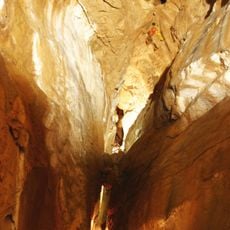
The cave was formed by water flowing through limestone over millions of years. In the 1700s, the space provided refuge to Franz Engl, a deserter who received supplies from a friend.
Dr. Friedrich Simony conducted geological studies in the cave, contributing to modern geology through his research and documentation of the first blind cave beetle.
The cave stays cold year-round and visitors should bring warm clothing for any visit. Guided tours operate during summer months and lead you through the main passages and chambers.
When snow melts or heavy rain falls, a dry cave chamber can become a rushing stream in just minutes. This rapid change shows the power of water moving through the underground passages.
The community of curious travelers
AroundUs brings together thousands of curated places, local tips, and hidden gems, enriched daily by 90,803 contributors worldwide.