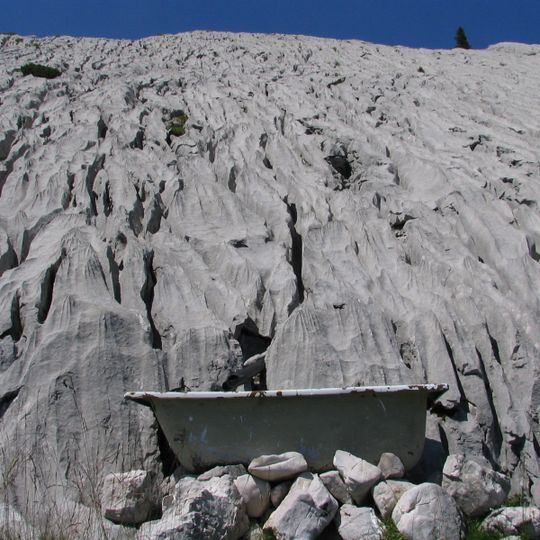
Schrattenkalk Formation, Limestone formation in Swiss Alps, Switzerland
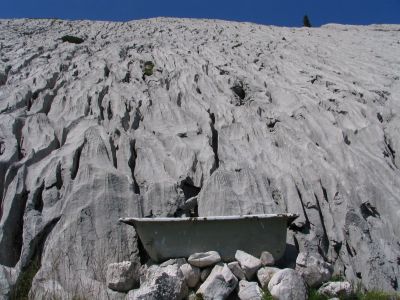
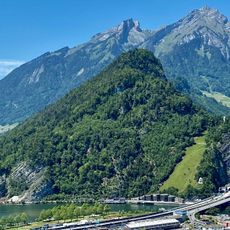
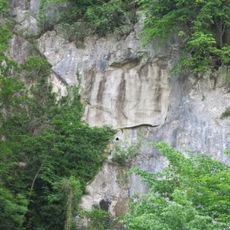
The Schrattenkalk Formation is a limestone layer found across the Swiss Alps that formed during the Early Cretaceous period. It contains fossil remains of marine organisms and appears in several notable locations, including the Eiger north face.
Bernhard Studer named this geological formation in 1834 after the Schrattenfluh area in Lucerne. This definition became an important point in the study of Alpine geology.
The name comes from combining German words meaning craggy rocks and chalk, reflecting regional geological terminology developed by Swiss scientists in the 1800s. This naming shows how scholars used the landscape around them to understand and classify natural features.
This formation is accessible at several locations, including rock faces and cave systems like Hoelloch. It helps to use guided tours or gather local information when exploring these areas.
Scientists discovered over 50 dinosaur footprints from iguanodontids in an abandoned quarry near Lake Lucerne. These finds provide rare evidence of prehistoric life in this region.
The community of curious travelers
AroundUs brings together thousands of curated places, local tips, and hidden gems, enriched daily by 91,792 contributors worldwide.