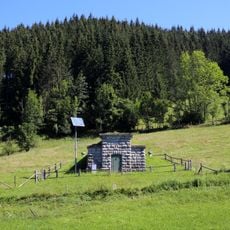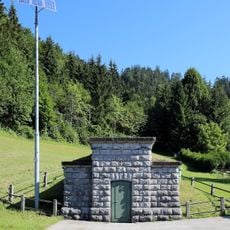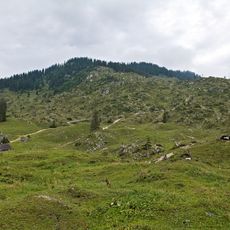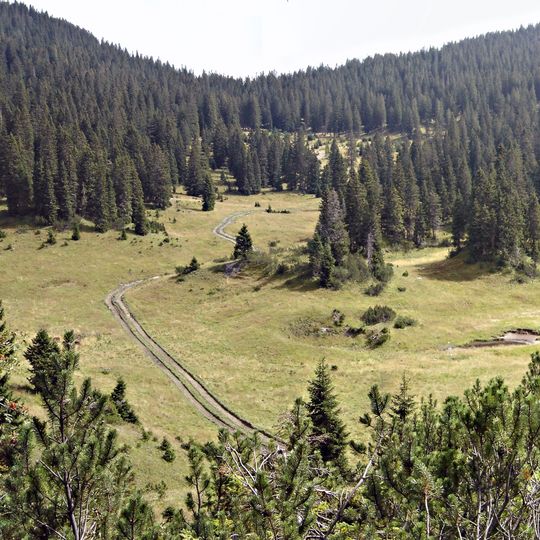
Grünloch, Limestone sinkhole near Lunz am See, Austria
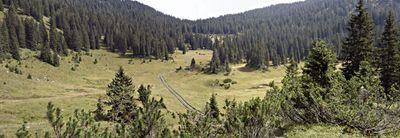
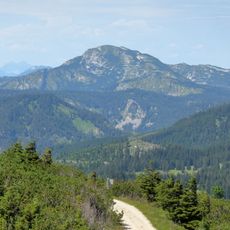
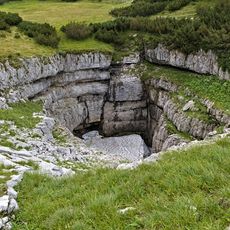
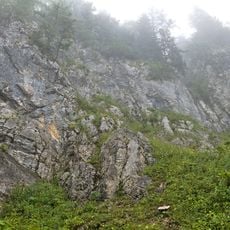
The Grünloch is a limestone sinkhole with a diameter of about one kilometer and depth of around 150 meters, surrounded by continuous mountain ridges. The bottom of this depression stays significantly colder than the surrounding landscape throughout the year.
Scientists began studying this sinkhole in the late 1920s to understand how temperature inversions develop in enclosed basins. Ongoing research has shown how cold air accumulates and becomes trapped within such geological structures.
Locals know this sinkhole as a place where scientists regularly visit to take measurements and conduct research on its unusual climate. The site represents an important natural laboratory that connects the community to broader environmental studies.
Visiting the sinkhole requires sturdy footwear and preparation for changing conditions, especially when descending into deeper areas. Travelers should be aware that temperatures at the bottom can be much colder than the surrounding area, even on warm days.
The sinkhole holds the central European temperature record at around minus 52 degrees Celsius, an extreme that few places on the continent reach. This extraordinary cold forms due to the depression's shape, which stores cold air like a natural trap.
The community of curious travelers
AroundUs brings together thousands of curated places, local tips, and hidden gems, enriched daily by 91,148 contributors worldwide.