Kollegiatstift Spital am Pyhrn, Former collegiate monastery and museum in Spital am Pyhrn, Austria
Kollegiatstift Spital am Pyhrn is a monastery complex with stone walls, multiple courtyards, and exhibition spaces showcasing religious objects and historical collections. The buildings display typical features of Central European sacred architecture with thoughtfully arranged rooms and corridors.
Emperor Henry II gave the land at the Pyhrn pass to the Bishop of Bamberg on condition that a hostel be built there to keep the pass open in winter. In 1418 that house became a collegiate foundation of canons; in 1605 Pope Paul V raised it to a provostry. A fire in 1502 and another on 25 October 1841 destroyed much of the complex, and the church became the parish church after the canons were dissolved.
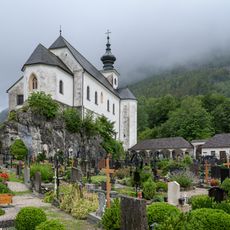
The collegiate church became the parish church after the monastery was dissolved; the provosts of the Baroque era rebuilt it from 1714 under Heinrich Fürsten. In the crypt beneath the presbytery lay the entire gold reserve of the Hungarian National Bank, 33,000 kg, stored there in early 1945.
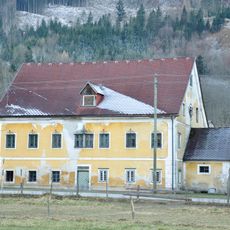
The four-wing complex is entered through the large portal on the east wing; inside, arcades line the courtyard at ground level. The former collegiate church now serves as the parish church and can be visited outside service times. The building housed the Spital/Pyhrn forestry office until 1997, so parts remain in administrative use.
The hospice that Emperor Henry II ordered the Bishop of Bamberg to build on the Pyhrn pass road was converted into a collegiate foundation of canons in 1418. In early 1945 the entire gold reserve of the Hungarian National Bank, 33,000 kg, was stored in the crypt beneath the church presbytery.
The community of curious travelers
AroundUs brings together thousands of curated places, local tips, and hidden gems, enriched daily by 93,972 contributors worldwide.