Fertö / Neusiedlersee Cultural Landscape, Cultural landscape at Lake Neusiedl, Austria and Hungary.
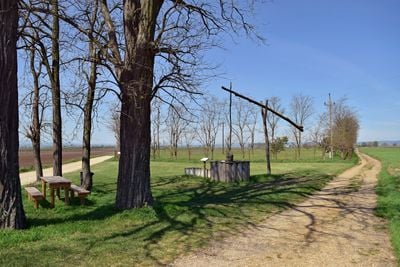
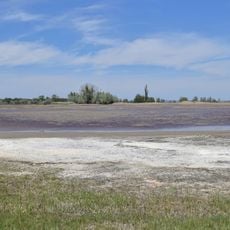
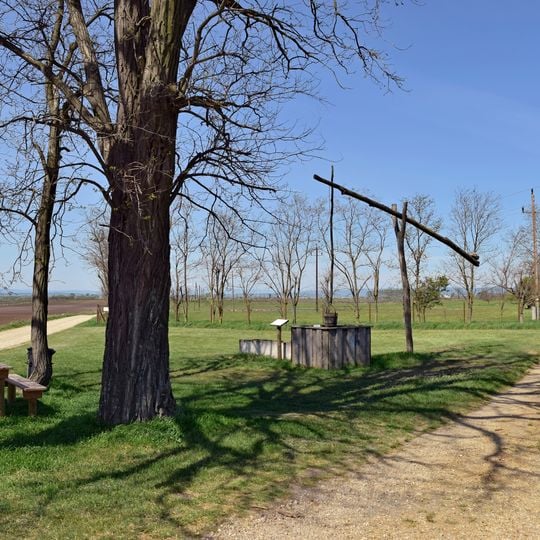
The Fertö / Neusiedlersee Cultural Landscape is a cross-border World Heritage Site in Austria and Hungary, covering the largest saline lake in Central Europe along with surrounding reed beds, wet meadows, and farmed land. The lake sits at a very low elevation, which gives it a flat, open character with wide skies and shallow water that changes in appearance with the seasons.
People have lived and farmed around this lake since the early Iron Age, and the patterns of land use from that period are still visible in how fields, pastures, and settlements are arranged today. Noble families built estates and gardens along the shores in the 17th and 18th centuries, leaving behind manor houses and parklands that remain part of the landscape.
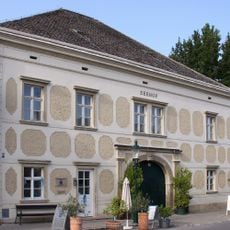
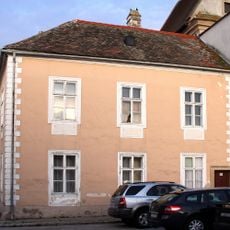
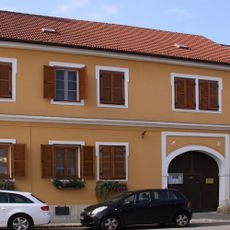
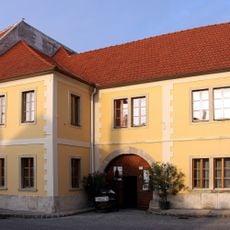
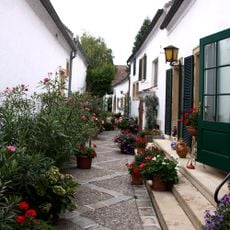
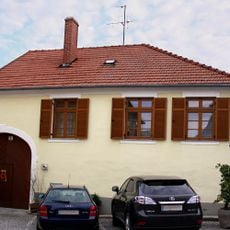
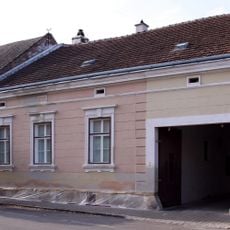
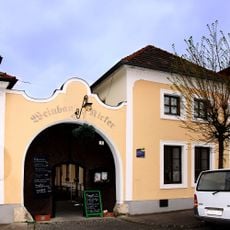
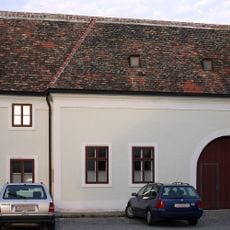
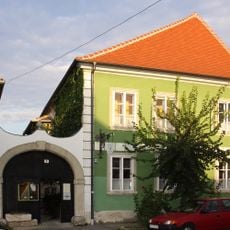
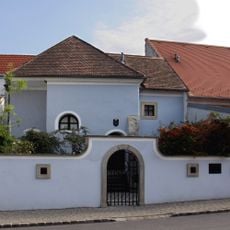
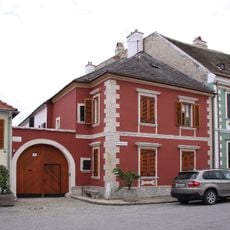
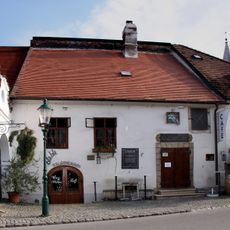
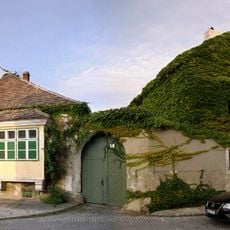
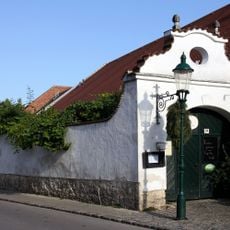
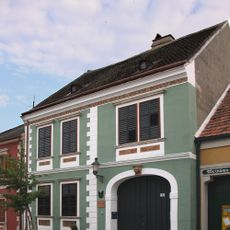
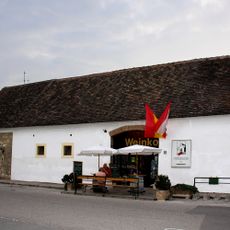
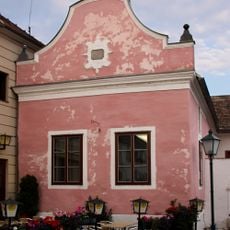
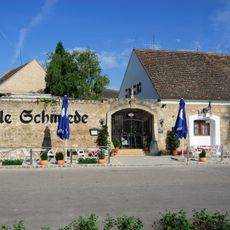
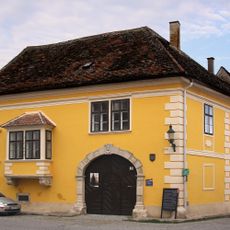
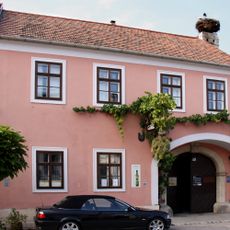
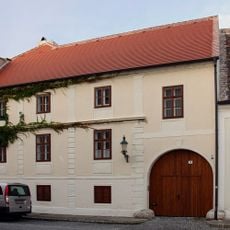
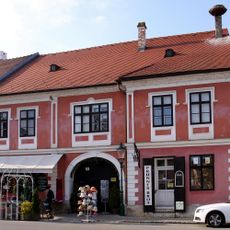
The villages around the lake have kept their traditional building styles, with low whitewashed houses and wooden gates that give the settlements a rural character still visible today. Local wine culture is deeply tied to this landscape, and small family vineyards dot the hillsides on the Austrian side near Rust.
The area is best explored by bicycle, as a well-marked network of paths connects villages, viewpoints, and nature spots on both sides of the border. Visitors should plan for open, sun-exposed terrain with little shade, so carrying water and sun protection is practical at any time of year.
The lake has no natural outlet, meaning the water level depends entirely on rainfall and evaporation rather than flowing out to a river. In very dry years, the lake can shrink enough that people walk across stretches of the lakebed, which sits only a few inches (centimeters) deep in places.
The community of curious travelers
AroundUs brings together thousands of curated places, local tips, and hidden gems, enriched daily by 92,616 contributors worldwide.