Viennese Porcelain Manufactory, Porcelain manufacture in Alsergrund, Vienna, Austria
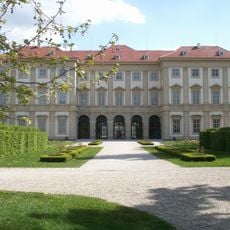
The Viennese Porcelain Manufactory was a porcelain factory in Alsergrund, Vienna, founded in 1718 and closed in 1864. Its buildings ran from today's Porzellangasse 51 to Julius-Tandler-Platz, after the works moved in 1721 into the Breuner summer palace. Early wares were hard-paste porcelain with a cream-coloured glaze rather than a pure white, because kaolin had to be brought from far away.
Founded in 1718 by Claude du Paquier, this was the second major porcelain producer in Europe after Meissen. It came under imperial control in 1744 and continued operating as a state-run workshop until 1864.
The decorative patterns made here often show hunting scenes and flowers painted by hand with fine detail. These motifs have stayed close to the workshop's origins and give each piece a look that is easy to recognize.
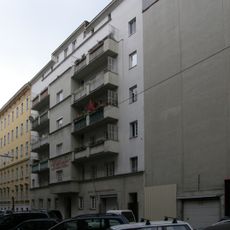
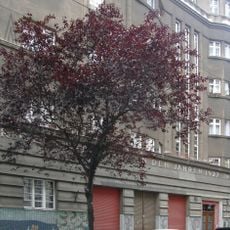
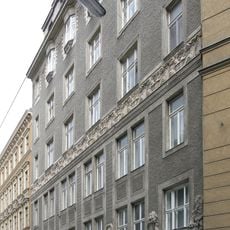
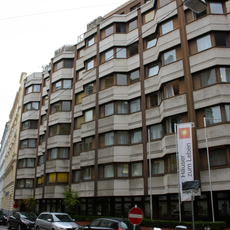
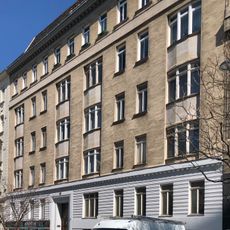
The manufactory stood in Alsergrund, Vienna's 9th district, along today's Porzellangasse, with buildings running from Porzellangasse 51 to Julius-Tandler-Platz. Nothing of the 1718–1864 works survives as a working workshop; the moulds and equipment went to the Museum of Applied Arts after the 1864 closure. The name was revived in 1923 by the Augarten manufactory, a separate site.
For much of its early history, the workshop produced large numbers of small coffee cups painted in bright colors for export to the Ottoman Empire. This trade in decorated cups reveals how far Viennese porcelain traveled and how much demand there was for it well beyond Europe.
The community of curious travelers
AroundUs brings together thousands of curated places, local tips, and hidden gems, enriched daily by 93,899 contributors worldwide.