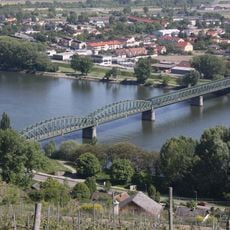
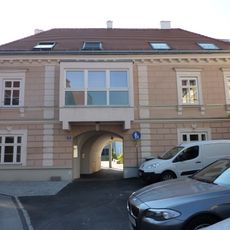
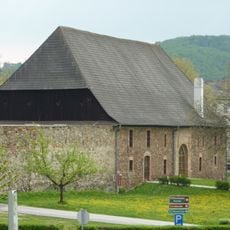
Castrum Favianis, Roman military fort in Mautern an der Donau, Austria
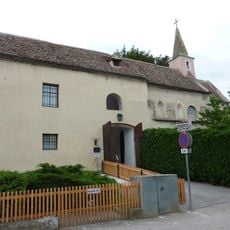
Castrum Favianis is the Roman fort of Mautern an der Donau, its outline still legible in the street grid of the old town, though almost entirely built over. Substantial remains of the late-antique phase survive in the western stretch of the medieval town walls and in the Margaret Chapel. The associated civilian settlement spread south, east and west of the fort over roughly 22 hectares, several times the fort's own area.
The fort was established in the 1st century, first as earthwork and timber defenses before being rebuilt in stone in the 2nd century. In the 4th century, horseshoe-shaped towers were added to strengthen it against new threats along the frontier.
The name Favianis is a scholarly identification, not a local inscription: no written evidence of the fort's ancient name has been found at Mautern. The name appears in the Notitia dignitatum and in Eugippius's Vita Sancti Severini, where Severin of Noricum was active in the 5th century. The modern town is first recorded around 899 as Civitas Mutarensis, 'settlement of the toll collectors'.
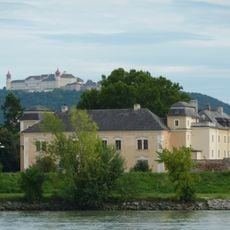
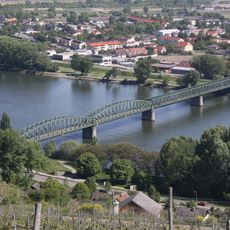
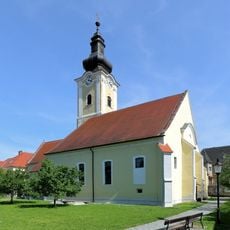
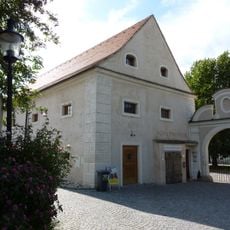
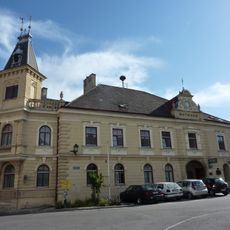
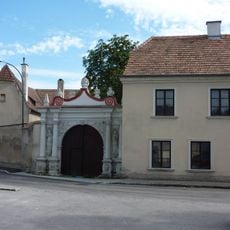
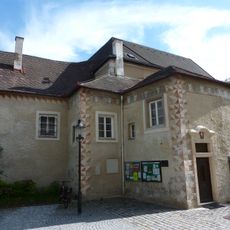
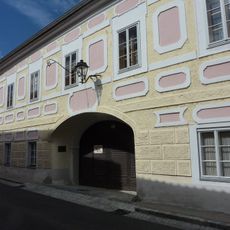
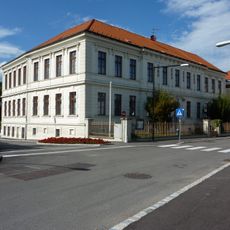
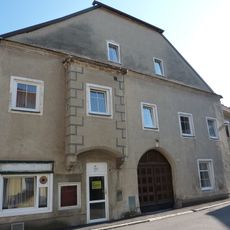
The remains of the fort are spread across the modern town of Mautern an der Donau and can be explored on foot. Some sections of the Roman walls have been incorporated into later buildings, so walking through the town is itself part of the experience.
The fort's identification with the ancient name Favianis rests on a scholarly hypothesis, not on any inscription found on site. The name appears in the Notitia dignitatum as Favianae and Fafianae, and in Eugippius's Life of Saint Severin. Some researchers, including Werner Lugs, place Favianis at Klosterneuburg instead.
The community of curious travelers
AroundUs brings together thousands of curated places, local tips, and hidden gems, enriched daily by 93,562 contributors worldwide.