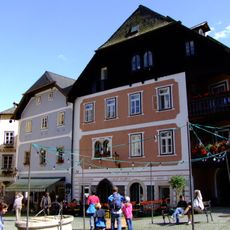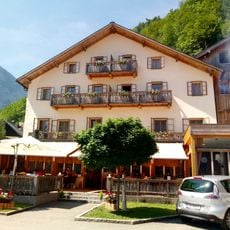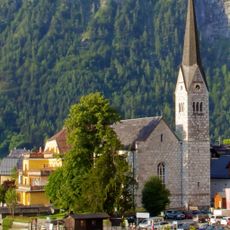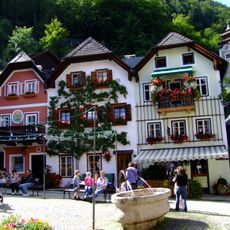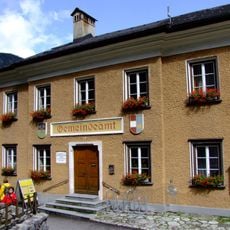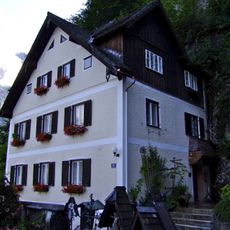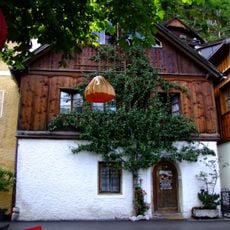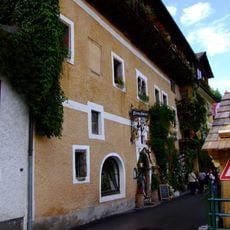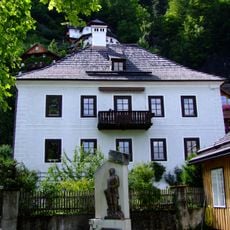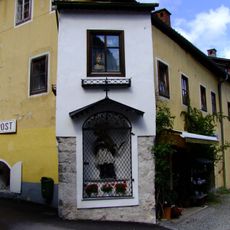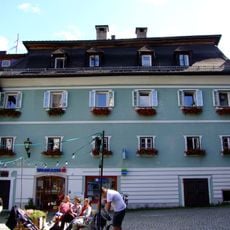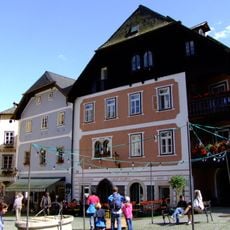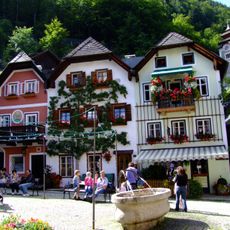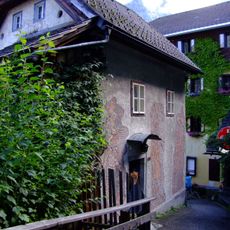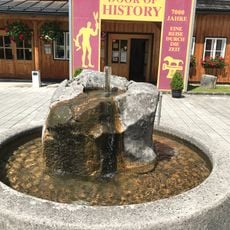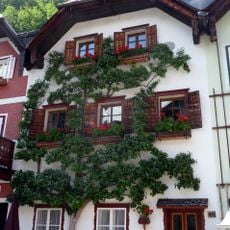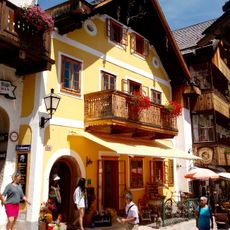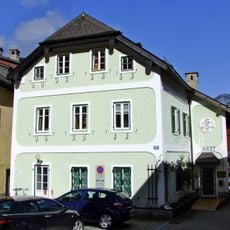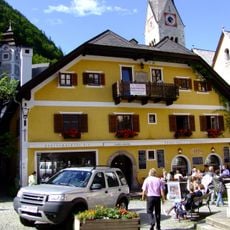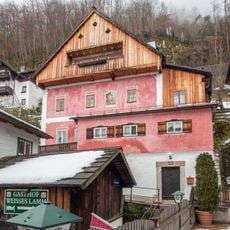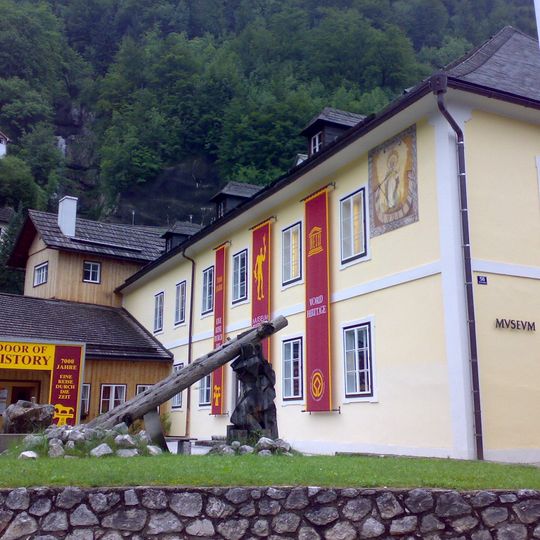
Hallstatt Museum, Heritage museum in Hallstatt, Austria.
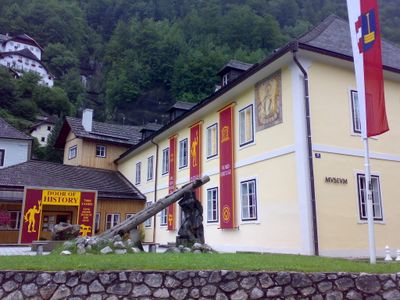
The Hallstatt Museum is an archaeological museum in the center of Hallstatt, Austria, housed in a former parsonage. It displays finds from the local salt mines and ancient burial grounds of the region, covering objects from the Bronze Age, the Iron Age, and the Roman period.
The museum was founded in 1884, following systematic excavations that had begun in 1846 under the direction of Johann Georg Ramsauer. Those early digs were among the first organized archaeological efforts of their kind in the region and shaped how researchers approached the past.
Hallstatt gave its name to an entire archaeological period, the Hallstatt era, which covers the early Iron Age across a wide part of Europe. Visitors to the museum can see the actual objects from this region that led scholars to define and name that period.
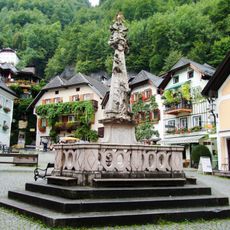
The museum sits in the heart of Hallstatt's town center and is easy to reach on foot from most points in the village. The rooms are not large, so visiting outside of peak season makes for a more comfortable experience.
Among the objects in the collection is the Protokoll, a hand-drawn record of around 1000 burials that Ramsauer created during the 19th-century excavations. Each burial was sketched individually with its grave goods, making it one of the most detailed early records of its kind in European archaeology.
The community of curious travelers
AroundUs brings together thousands of curated places, local tips, and hidden gems, enriched daily by 90,754 contributors worldwide.