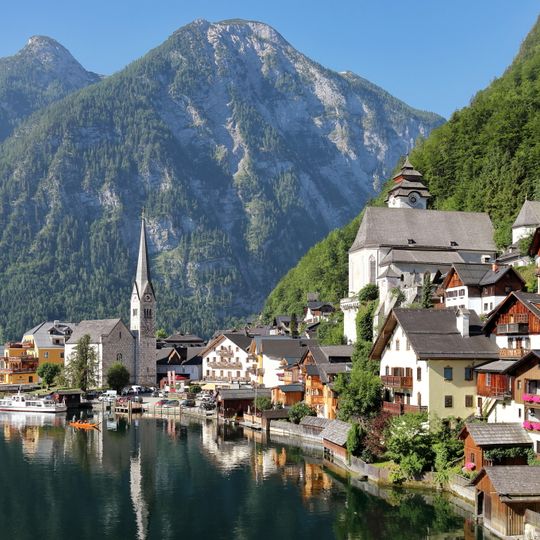
Hallstatt, Market municipality in Salzkammergut, Austria.
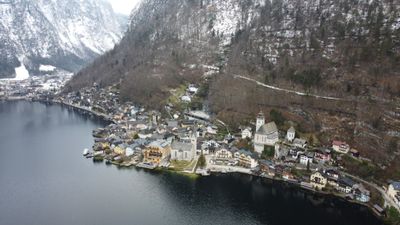
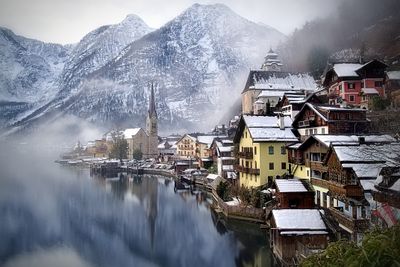
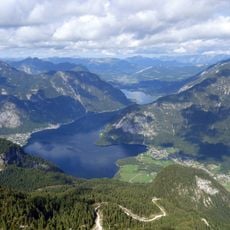
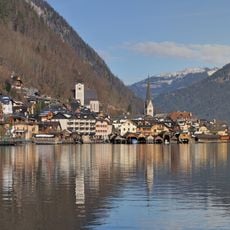
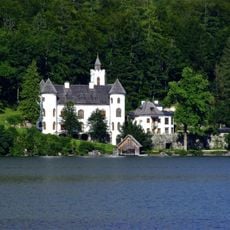
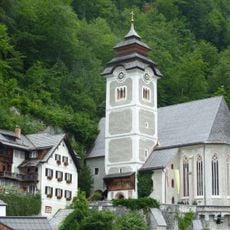
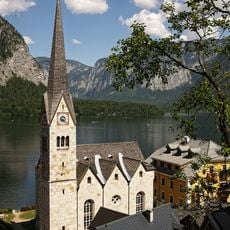
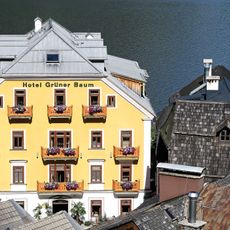
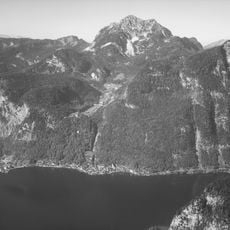
Hallstatt sits on the western shore of Hallstätter See, where traditional Alpine houses stand at 511 meters (1,676 feet) elevation along the mountainside. Narrow lanes wind between the buildings, connecting the central market square with higher residential areas and the lakefront path.
The settlement gained importance during the Iron Age through salt mining operations dating back to the first millennium BC. In the 18th century, market rights were granted and the town developed into a trading center for extracted salt and other regional goods.
The local ossuary exhibits more than 1200 human skulls, many decorated with painted patterns and arranged according to family groups. This tradition of skull painting arose from limited cemetery space and remains a visible part of local burial customs that visitors can observe today.
Visitors reach the town by train to Attnang-Puchheim station, followed by a ferry crossing across Hallstätter See. Narrow streets and steep steps between buildings require sturdy footwear, especially during wet weather or winter months.
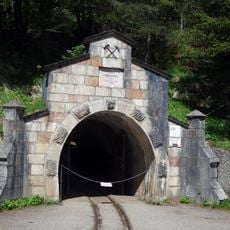
The salt mine features an underground slide system that miners used to navigate between different levels of the ancient mining complex. These wooden slides allowed rapid descent into deeper shafts and remain part of the guided tour through the facility today.
The community of curious travelers
AroundUs brings together thousands of curated places, local tips, and hidden gems, enriched daily by 90,737 contributors worldwide.