Hallstatt-Dachstein Salzkammergut cultural landscape, Cultural landscape in Salzkammergut, Austria.
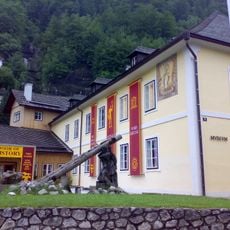
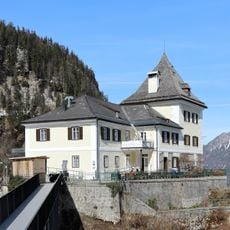
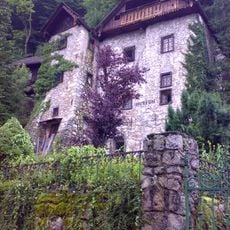
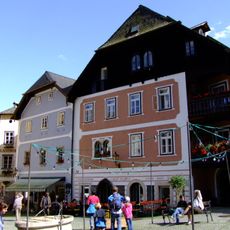
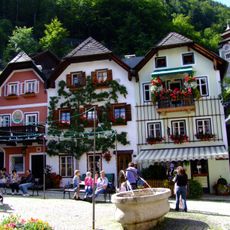
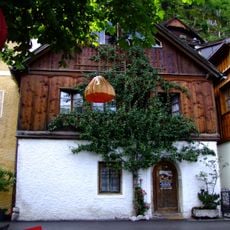
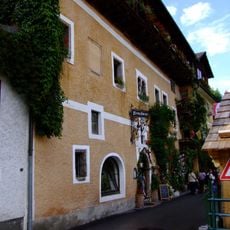
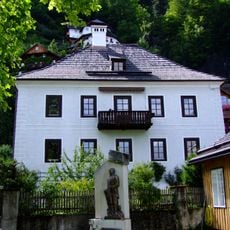
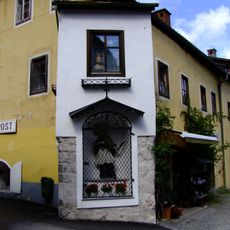
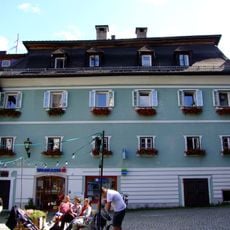
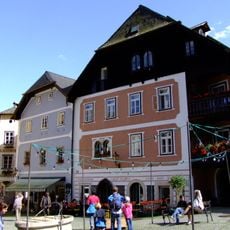
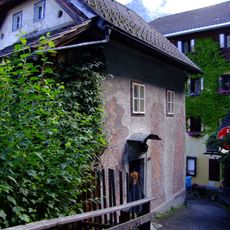
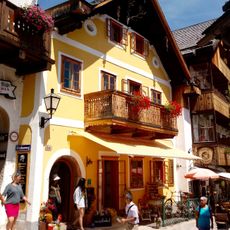
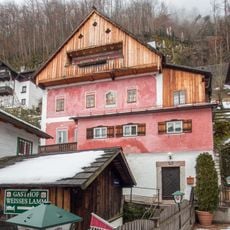
The Hallstatt-Dachstein Salzkammergut cultural landscape stretches across three Austrian provinces and features steep mountainsides, dense forests, glacial lakes, and traditional Alpine architecture. The region combines natural mountain formations with settlement patterns that developed over thousands of years.
Salt extraction in the region dates back to 2000 BCE and led to the development of trade routes and the Hallstatt cultural period. This early economic activity shaped settlement development and infrastructure patterns that continue today.
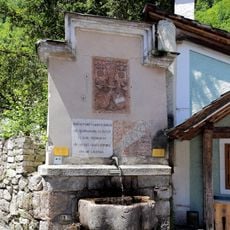
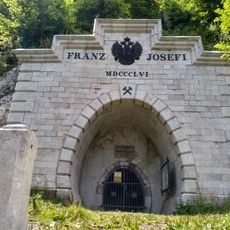
Hallstatt's name comes from the Celtic word for salt, and the salt mine above the village has been worked since around 5000 years ago; the mine near the village, dating to the 6th century BCE, is the oldest still in operation worldwide. The cramped lakeside site left little flat ground for graves, so the ossuary in the chapel holds skulls painted with the deceased's name and patterns.
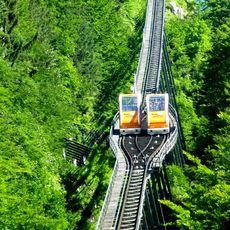
The area can be explored through mountain lifts, hiking trails, and caves accessible via organized routes. Multiple starting points are available depending on visitor activities and seasons.
The Dachstein massif's ice cave, the Dachstein-Rieseneishöhle, holds chambers such as the Eisdom and the ice chapel. The massif reaches 2,995 m and its glaciers are the easternmost in the Alps. From Krippenstein, visitors see the Hallstatt glacier on the plateau above the town.
The community of curious travelers
AroundUs brings together thousands of curated places, local tips, and hidden gems, enriched daily by 94,600 contributors worldwide.