Zinkwand, Summit in the Schladminger Tauern, Austria
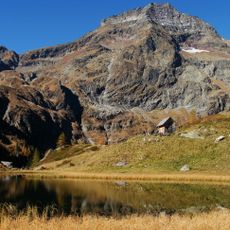
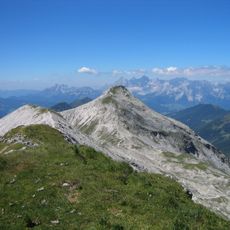
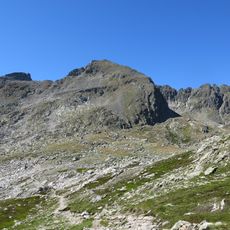
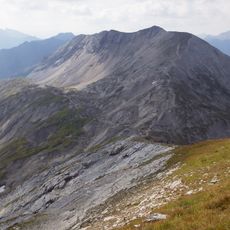
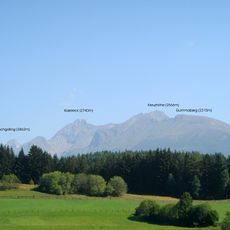
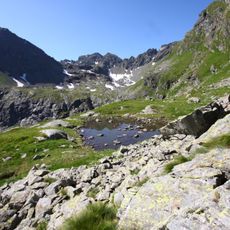
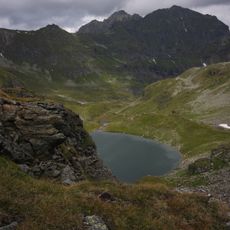
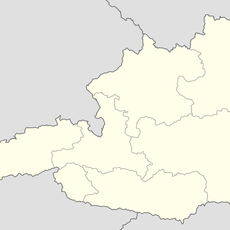
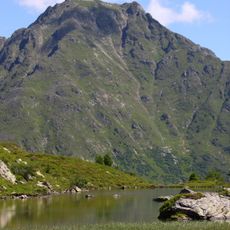
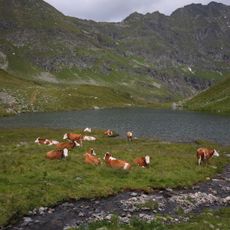
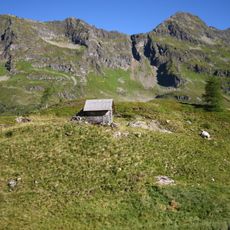
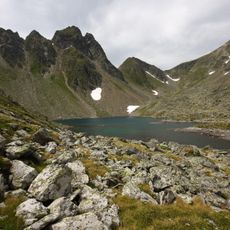
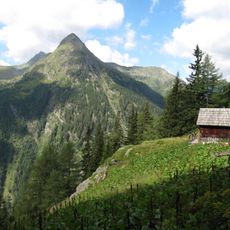
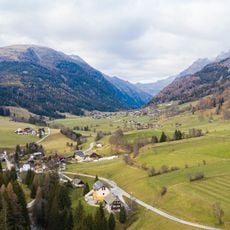
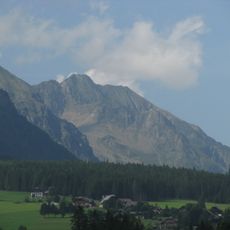
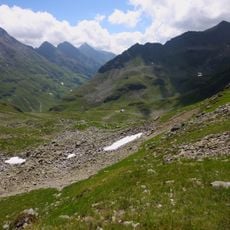
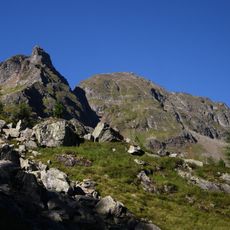
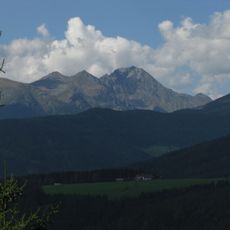
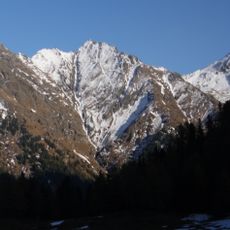
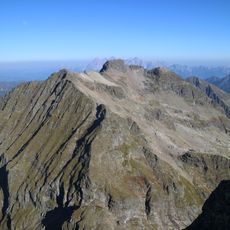
Zinkwand is a 2,442 m summit on the main Tauern ridge in the western Schladminger Tauern, on the border between Styria and Salzburg. The peak is the centre of a northwest–southeast ridge running from the Vetternspitzen (2,524 m) to the Graunock (2,477 m), framed by the Knappenkar to the west, the Schnabelkar to the northeast and the Zinkenkarl to the southeast. Its slopes are migmatitic paragneisses and mica schists, with rust-brown weathered bands called Branden.
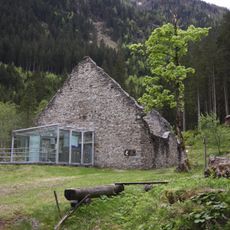
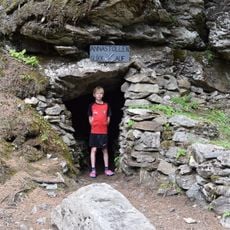
Mining at the Zinkwand is documented from the 13th century, with the oldest traces pointing to Celtic and Roman activity. Silver, copper and lead were mined until the 17th century, peaking in the 16th century when some 1,500 miners worked 250 pits. Cobalt followed after 1700, and nickel from 1832, when Johann Rudolf von Gersdorff revived the abandoned mines.
The name Zinkwand does not come from the metal zinc, which was never mined here, but from the mountain's shape, which resembles a spike or prong; older depictions call it Zinkenkogel. The miner figure still appears in the coat of arms of the town of Schladming. Legends tell of the miners' arrogance being punished when the ore veins dried up.
The area is suited for extended mountain hikes and requires good physical fitness along with alpine experience. Plan your visit for stable weather conditions and bring appropriate gear for changing conditions at altitude.
An underground tunnel runs through the mountain, allowing hikers to pass through its interior rather than climbing over the peak. This hidden route offers an unusual alternative to the standard summit approach.
The community of curious travelers
AroundUs brings together thousands of curated places, local tips, and hidden gems, enriched daily by 93,669 contributors worldwide.