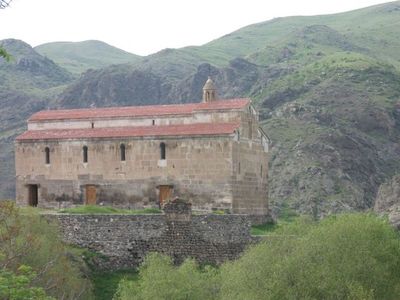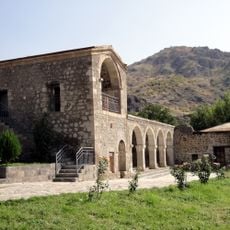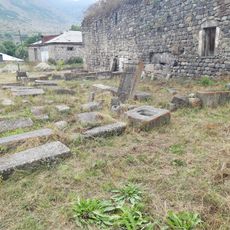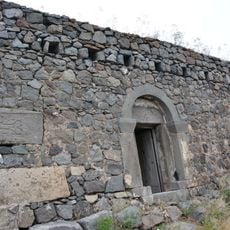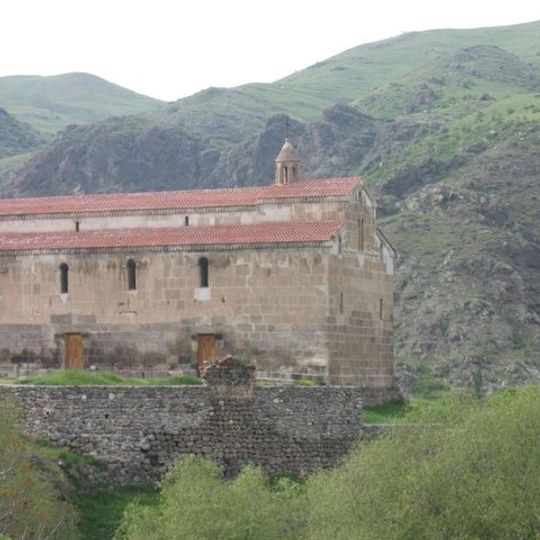
Tsitsernavank Monastery, Early Christian monastery in Lachin District, Azerbaijan
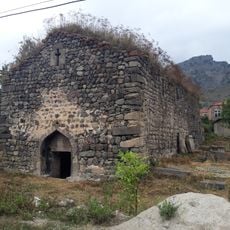
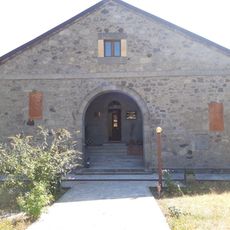
Tsitsernavank is an early Christian stone basilica divided into three naves supported by two rows of columns, built near the Zabukhchay and Əhmədliçay rivers. The structure displays typical features of religious architecture with spacious interiors and load-bearing supports throughout.
The monastery was founded in the 5th century and underwent three construction phases, including the addition of a windowless apse. Timber arcades were later replaced with more permanent structural elements.
The name Tsitsernavank comes from the Armenian word "tsitsern," meaning little finger, which refers to relics of Saint George once kept within the church. This naming reflects a deep connection between the building and local religious devotion.
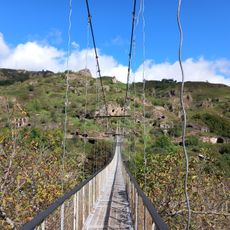
The site sits in a mountainous region and is best visited on foot, especially during warmer months. Visitors should bring proper footwear and water since the surrounding terrain can be exposed and uneven.
The central nave rises noticeably higher than the lateral naves, following an architectural pattern also seen in Armenian churches like Yereruyk and Yeghvard. This design feature was common in early Christian religious buildings across the region.
The community of curious travelers
AroundUs brings together thousands of curated places, local tips, and hidden gems, enriched daily by 91,641 contributors worldwide.