Habiganj District, Administrative district in Sylhet Division, Bangladesh
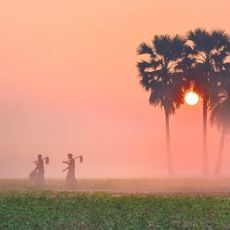
Habiganj District is an administrative region in Sylhet Division, northeastern Bangladesh, covering approximately 2,574 square kilometers. The area is characterized by several rivers and known for tea cultivation, agriculture, and natural gas resources.
The region was originally a subdivision before gaining district status in 1984, following administrative changes linked to the 1947 partition of British India. This transformation reflects the political shifts that reshaped the territory.
The population includes Bengali Muslims, Hindus, and indigenous communities such as the Khasia and Manipuri, each maintaining distinct traditions and customs. These groups shape the everyday life and local practices visible throughout the district.
The area is primarily agricultural, with numerous schools and colleges distributed throughout the district. Visitors should expect warm, humid conditions and use local transportation to explore the wider region.
The region contains the Rashidpur gas field, a major economic driver since the 1960s. Alongside it, numerous tea gardens stretch across the landscape, shaping both the scenery and the local economy.
The community of curious travelers
AroundUs brings together thousands of curated places, local tips, and hidden gems, enriched daily by 91,286 contributors worldwide.