Lawachara National Park, National park in Moulvibazar District, Bangladesh
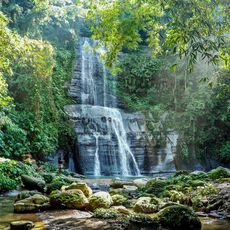
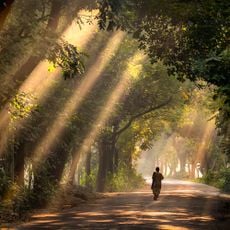
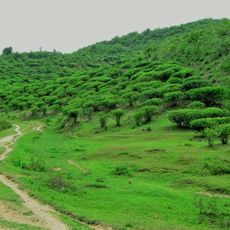
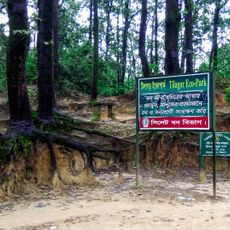
Lawachara National Park is a forest reserve featuring mixed evergreen vegetation with three distinct walking routes available to visitors. These trails wind through thick undergrowth and cross small mountain streams at several points.
The area was part of the 2,740-hectare West Bhanugach Reserved Forest. In 1925 the British administration carried out planting that grew into today's forest. On 7 July 1996, 1,250 hectares were declared a national park under the Wildlife Act of 1974.
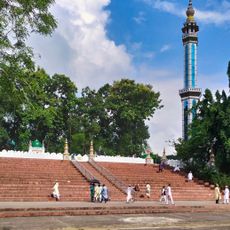
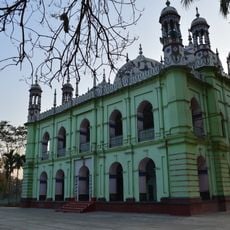
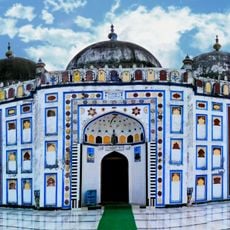
Two villages, Punji and Lawachara Punji, lie inside the park, home to Khasi, Tripuri and Monipuri people; most other residents are Muslim migrants from Noakhali, Comilla and Assam. Registered forest villagers hold rights to collect fuelwood and building materials, hunt, produce betel leaf, graze livestock and harvest forest products. A mosque, Lawachara Jame Mosque, stands off the Srimangal-Bhanugach Road.
The park is crossed by sandy-bedded streams, some of which carry water only during the monsoon; wildlife gathers near those that flow year-round. Leeches are common on the leaf-covered forest floor, so wear sturdy shoes and long trousers. The terrain is undulating, with hillocks of 10 to 50 metres.
The park holds Bangladesh's largest surviving population of western hoolock gibbons: a 2007 census counted 62 individuals in 17 groups across Lawachara and the wider West Bhanugach Reserved Forest. Their calls carry through the canopy, and the fruit of the champa tree (Artocarpus chama) is a favoured food.
The community of curious travelers
AroundUs brings together thousands of curated places, local tips, and hidden gems, enriched daily by 94,106 contributors worldwide.