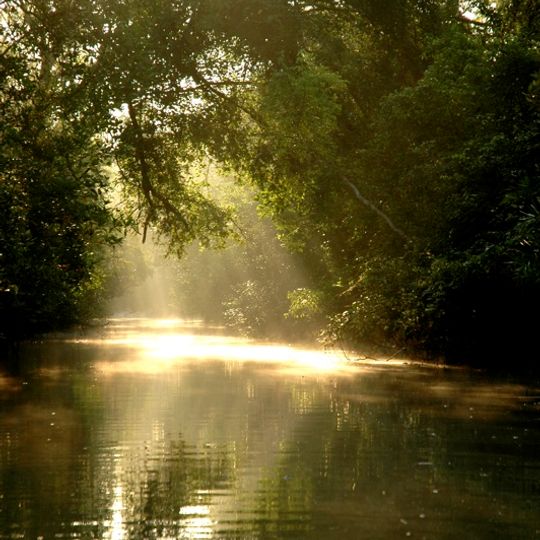
Sundarbans, Mangrove forest in the Ganges Delta, Bangladesh and India
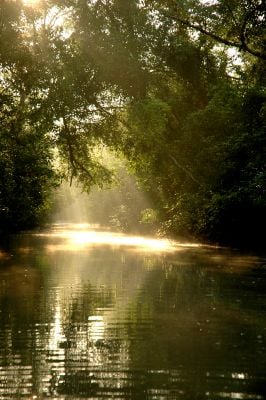
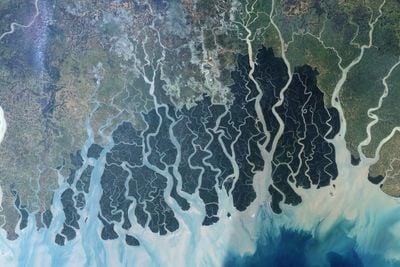
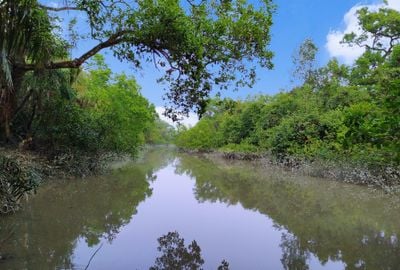
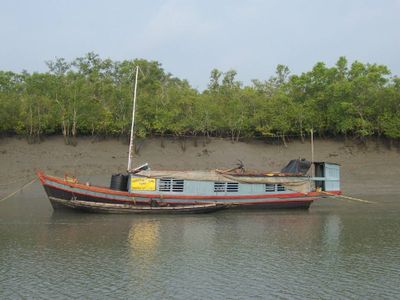
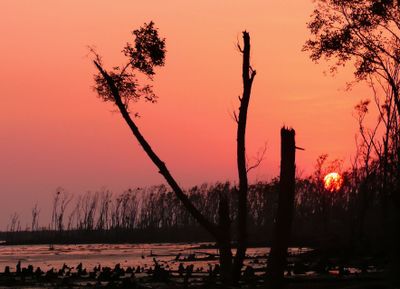
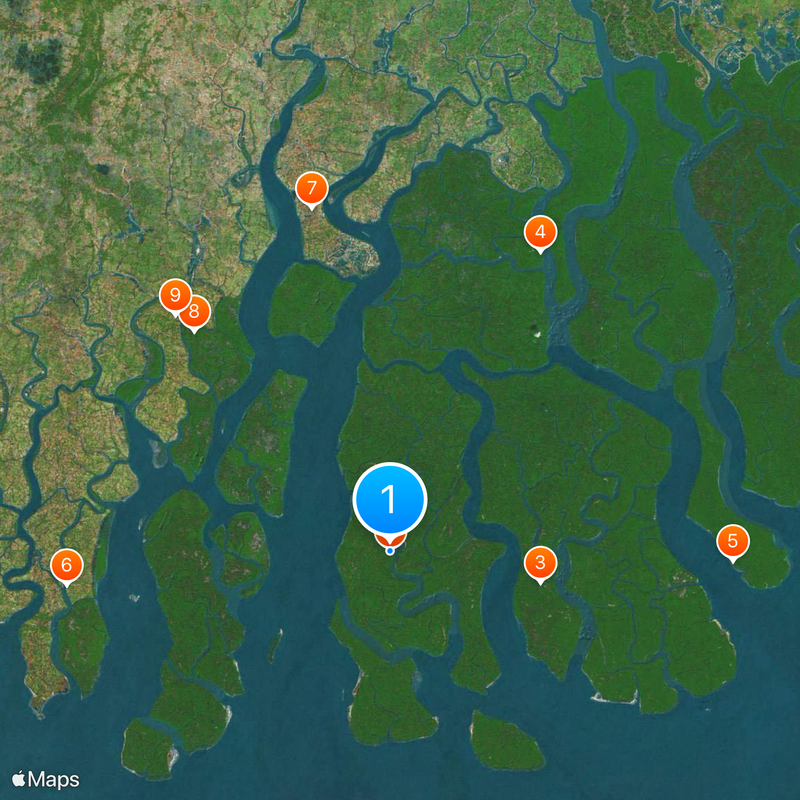
The Sundarbans form a mangrove network in the Ganges delta along the coast of Bangladesh and India. Channels thread through a landscape of mudbanks and forested islands where salt-tolerant trees grow between river and sea.
British administrators began systematic mapping and management of the region starting in 1757 after acquiring rights from local rulers. Protected zones emerged later when the ecological weight of the mangroves and their wildlife became clear.
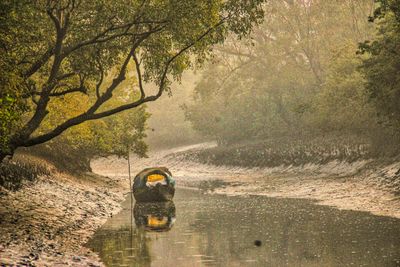
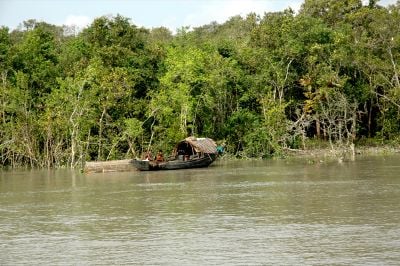
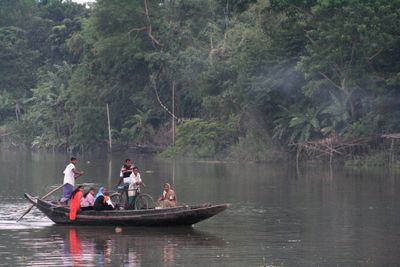
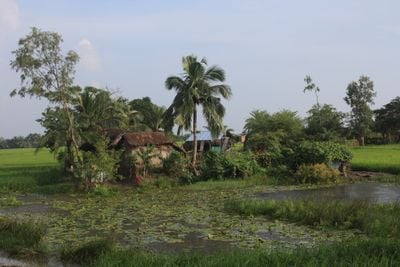
Communities continue fishing, honey gathering and timber work following routines their grandparents knew. Rituals honoring Bonbibi, protector of the forest, accompany fishers and collectors when they venture into the mangrove interior.
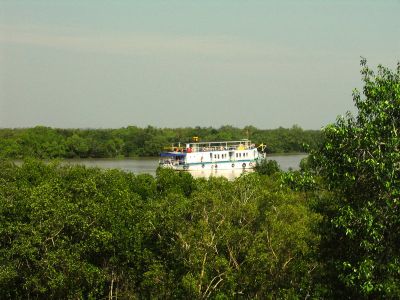
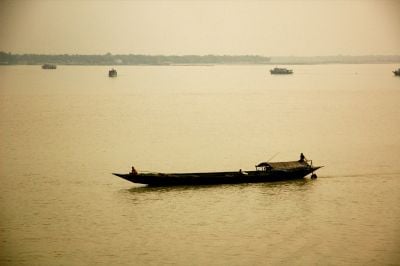
Months from October to February offer calmer water and better visibility during boat trips through the channels. Guided tours with local captains help with orientation in an area without roads or fixed paths.
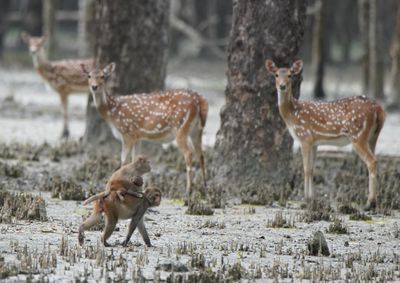
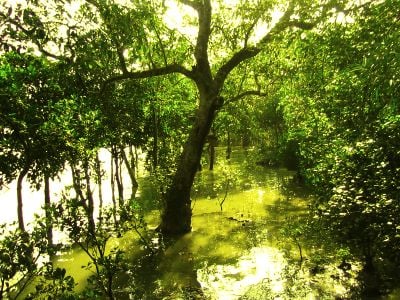
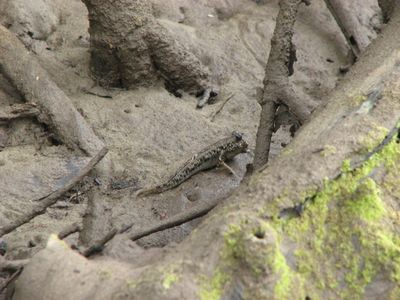
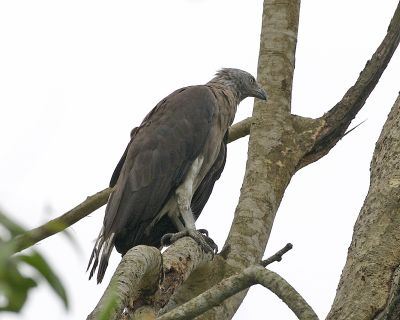
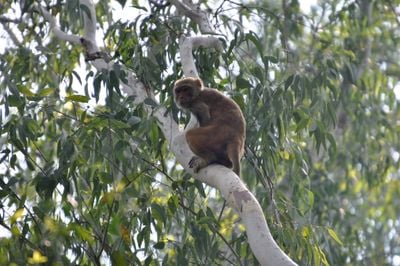
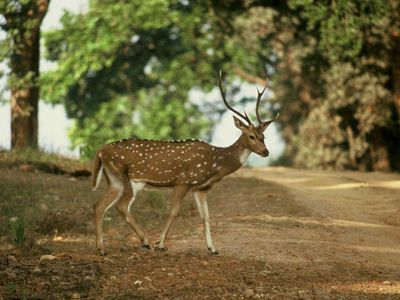
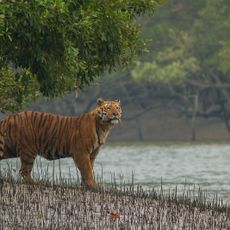
Over 450 documented animal species inhabit the area, including Bengal tigers that swim through saltwater between islands. The trees here develop visible breathing roots that rise from the mud and give the landscape its odd appearance.
The community of curious travelers
AroundUs brings together thousands of curated places, local tips, and hidden gems, enriched daily by 92,065 contributors worldwide.