Sundarbans National Park, National park in West Bengal, India.
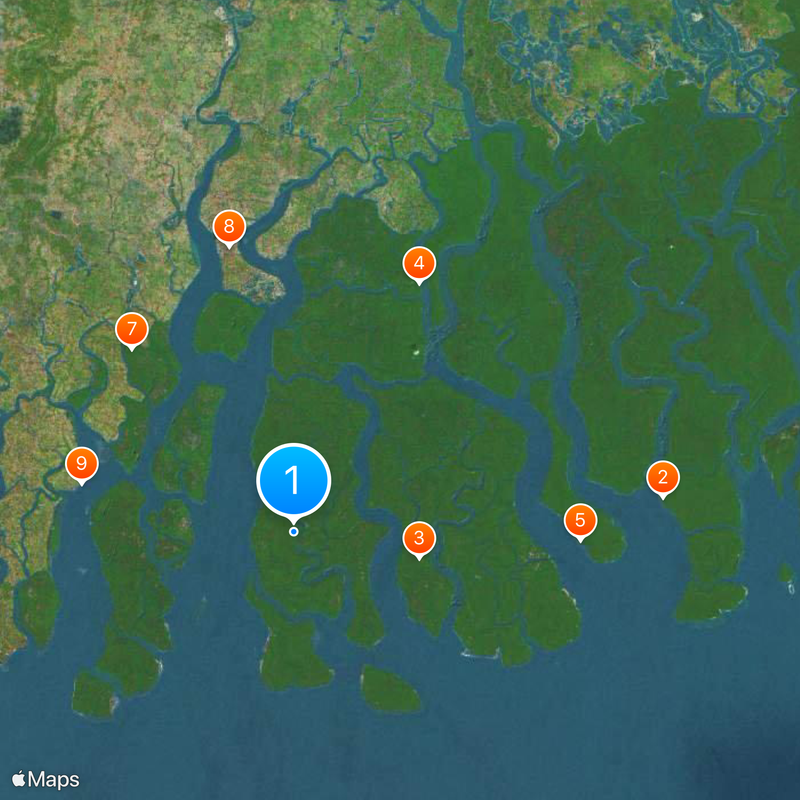
Sundarbans National Park is a national park, nature reserve and World Heritage Site in South 24 Parganas district, West Bengal, India, protecting the largest mangrove forest ecosystem on Earth. A dense network of waterways weaves through the green thicket, connecting hundreds of small islands and forming an unmistakable labyrinth of rivers, tidal channels and muddy banks.
The area received official protection for the first time in 1865 through the Forest Act, was declared a tiger reserve in 1973 and gained national park status in 1984. UNESCO recognition as a World Natural Heritage site followed in 1987, underlining the global importance of this mangrove ecosystem.
The name Sundarbans derives from the Sundari trees, a mangrove species that shapes the appearance of the region and remains closely tied to the way people live here. Fishers and honey collectors enter the forest with traditional protective rituals, as they work daily in close proximity to tigers and crocodiles.
Access is exclusively by boat, as there are no roads or paths inside the protected area; organized tours generally start in the morning and return in the afternoon. During the monsoon season between June and September, navigation through the channels is often restricted because strong currents and high water levels make travel difficult.
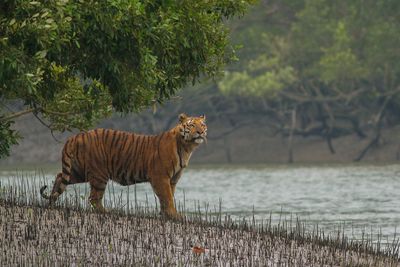
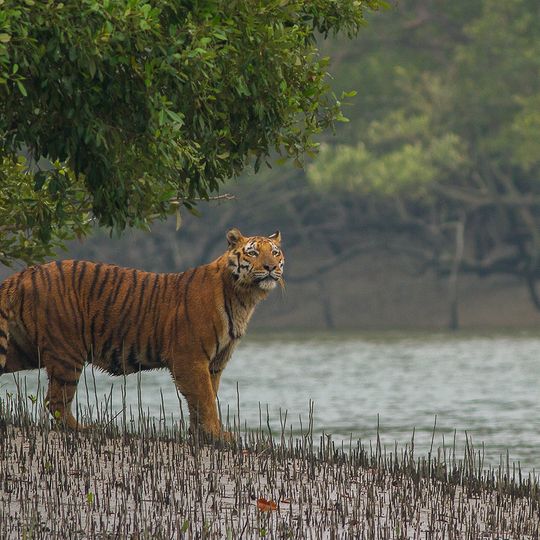
The Bengal tigers in this region have learned to swim through saltwater and hunt in muddy terrain, developing behaviors not observed anywhere else in the world for this species. Some of these tigers have been seen waiting on small islands during low tide to watch for prey, then swimming through deep channels when the tide rises.
The community of curious travelers
AroundUs brings together thousands of curated places, local tips, and hidden gems, enriched daily by 90,906 contributors worldwide.