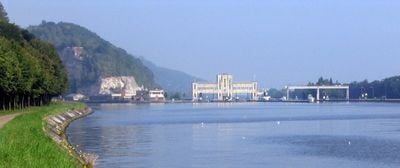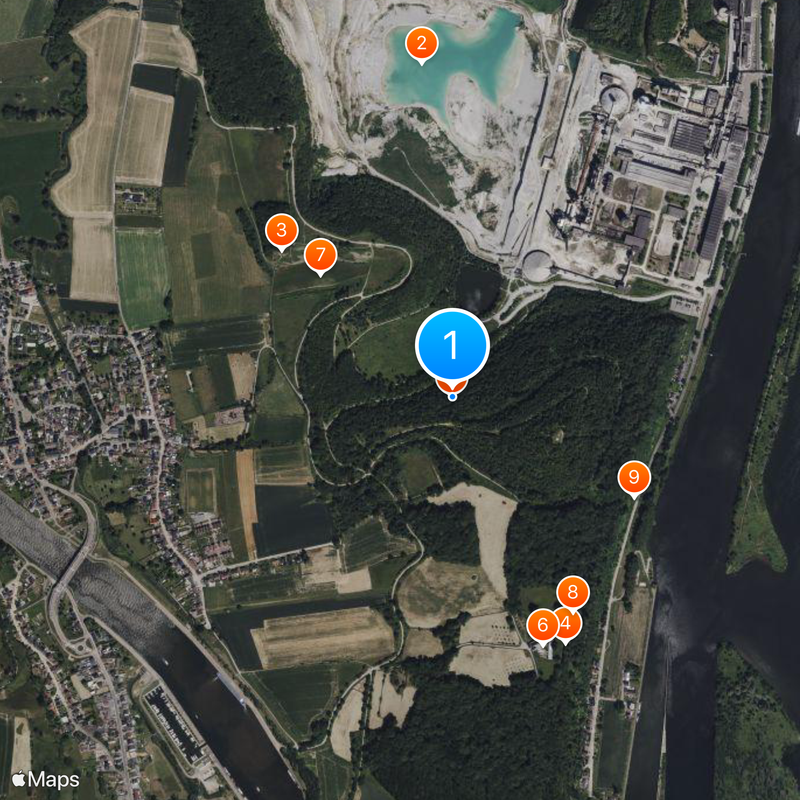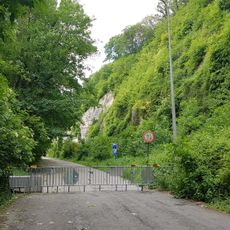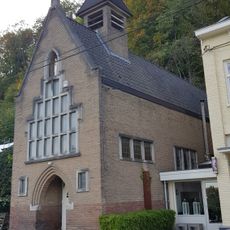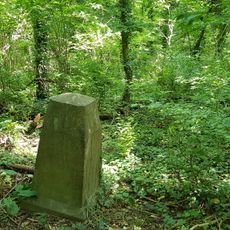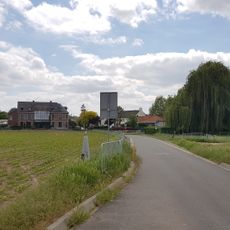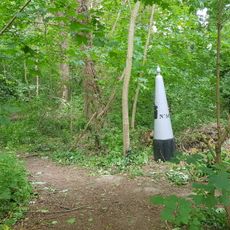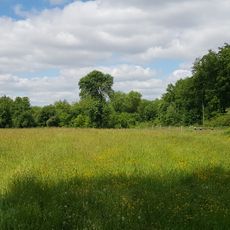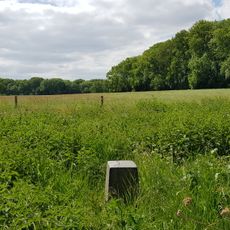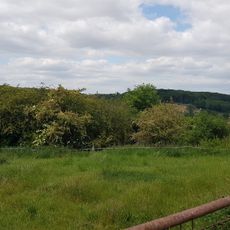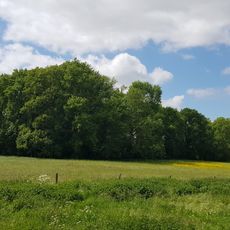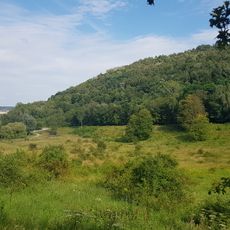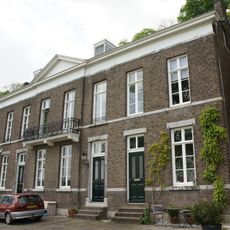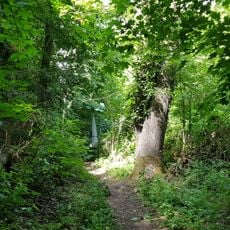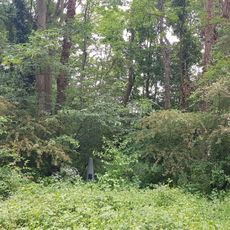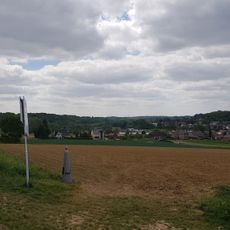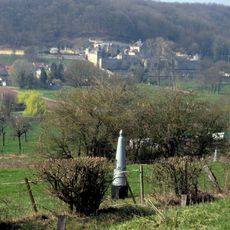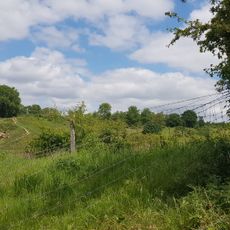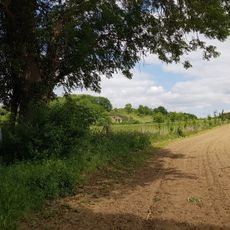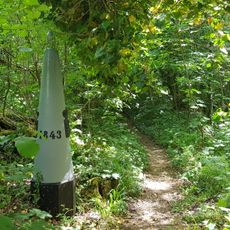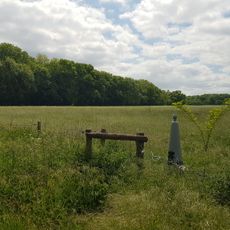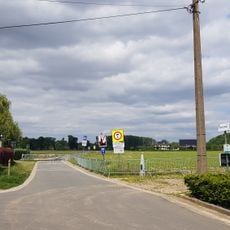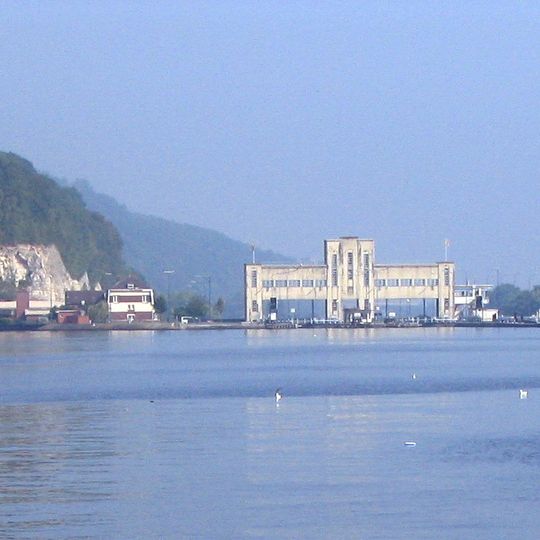
Mount Saint Peter, Nature area and hill between Maastricht, Netherlands and Visé, Belgium.
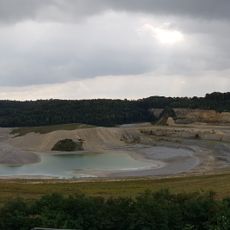
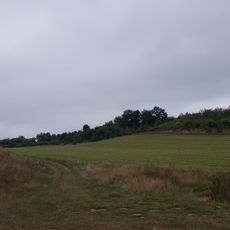
Mount Saint Peter is a forested hill whose flat top lies at 101 m above sea level, with the 171 m D'n Observant summit formed from spoil heaps of limestone quarrying. Its slopes are cut by the Meuse and Geer valleys, and the Albert Canal splits the hill into two sections. A pale cliff face is exposed near the base, and the ENCI quarry has left a 135-hectare crater.
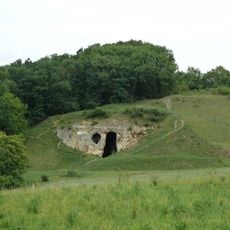
Flint was mined here from Neolithic times, and by the 19th century the tunnels reached 200 km. An Iron Age fortress on the plateau is a candidate for Atuatuca, the stronghold of the Eburones named in Caesar's commentaries. Fort Sint-Pieter was built on the northern edge after Louis XIV's siege of Maastricht in 1673; Fort Eben-Enael, completed in 1935, was taken by German paratroopers in 1940.
The name references Saint Peter and holds meaning for the local communities in both Maastricht and nearby Belgian towns. People in the region view it as a natural landmark connecting their shared history and environment.
The site is open daily year-round, though trail conditions vary with the seasons and weather. Sturdy footwear is recommended, and you can access the paths from multiple points on both the Dutch and Belgian sides.
The first Mosasaurus skull was found here around 1765, and a more famous specimen between 1770 and 1774; French troops took it to Paris in 1794, where it is still held in the Muséum national d'Histoire naturelle. Later finds on the hill included dinosaur remains of Betasuchus and Orthomerus, plus sea turtles and smaller marine fossils.
The community of curious travelers
AroundUs brings together thousands of curated places, local tips, and hidden gems, enriched daily by 94,349 contributors worldwide.