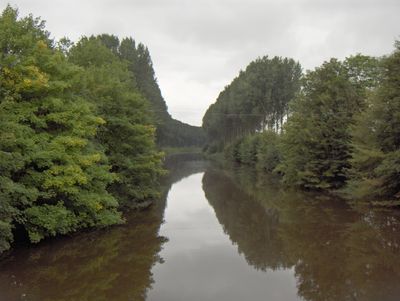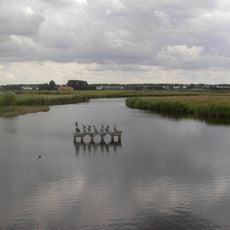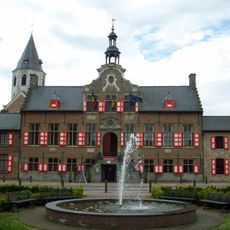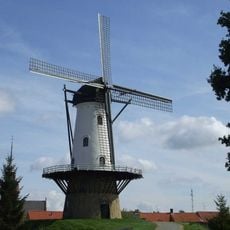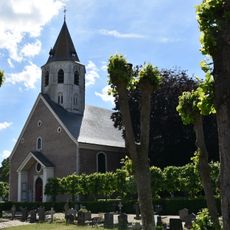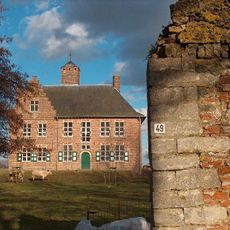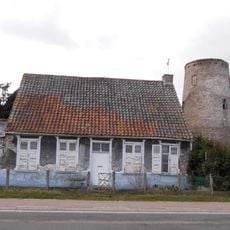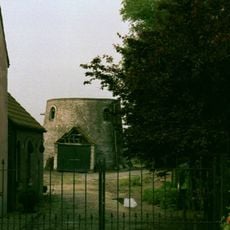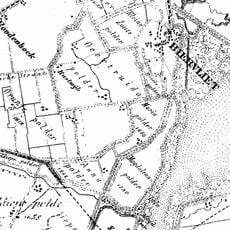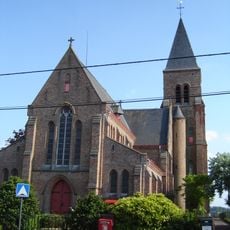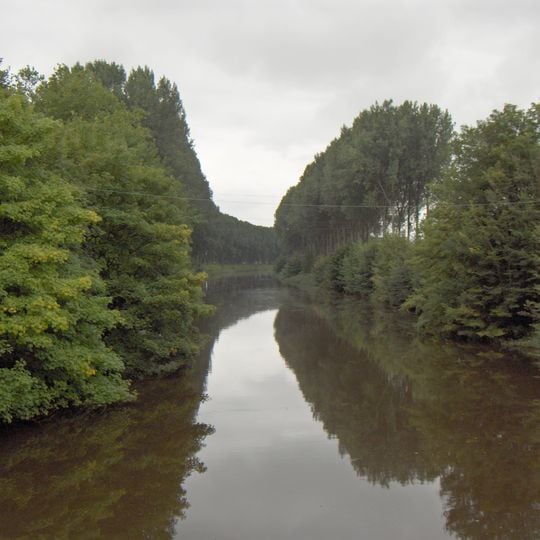
Leopold Canal, Drainage canal in Flanders, Belgium.
The Leopold Canal is a drainage channel in Flanders that extends roughly 46 kilometers from Boekhoute to the North Sea near the Port of Zeebrugge. Its depth varies between 1.2 and 2.3 meters, and it helps manage water flow across the low-lying landscape.
The channel was built after 1847, following Canon Joseph Andries' proposal to prevent the Netherlands from controlling water discharge following Belgium's independence. The project addressed the new nation's political and geographic needs at the time.
The waterway is known by different names in the local Flemish language, including Leopoldvaart, reflecting how the communities of West Flanders identify with their water routes.
The area can be explored on foot or by bicycle, as there are maintained paths along the channel. The best time to visit is from May through September, when the weather is stable and the surroundings are at their fullest.
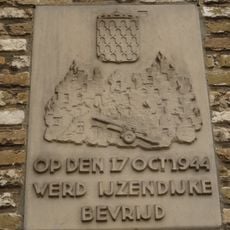
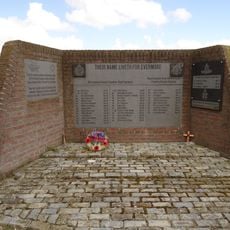
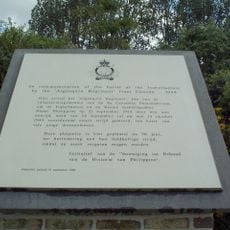
During World War II, the channel served as a defensive line in the Battle of the Scheldt, where German forces built their resistance positions. This wartime role remains visible at certain locations today.
The community of curious travelers
AroundUs brings together thousands of curated places, local tips, and hidden gems, enriched daily by 90,856 contributors worldwide.