Kluis van Bolderberg, Historic hermitage and chapel in Heusden-Zolder, Belgium
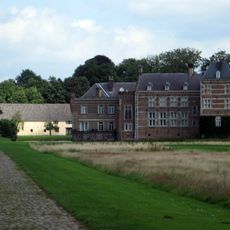
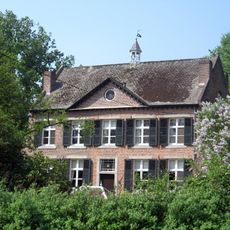
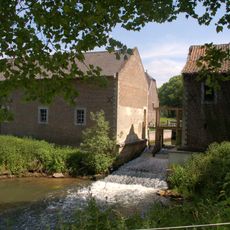
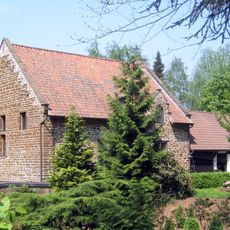
The Kluis van Bolderberg is a chapel with hermitage perched on a hillside in Limburg, surrounded by nature reserves with views toward Terlaemen castle. The structure dates to the 17th century and houses the Chapel of Our Lady of Loreto within its stone walls.
In 1673 the pilgrim Lambert Hoelen, back from Loreto, obtained permission from Ferdinand, count von Inhausen und Kniphausen and lord of Zolder, to build a hermitage and chapel on the highest point of Bolderberg, modelled on the Holy House of Loreto. A papal decree of 15 May 1679 erected the Brotherhood of Our Lady of Loreto, making it a pilgrimage site. Twelve hermits lived here until 1880; the building suffered damage in the French Revolutionary period and from vandalism, was restored from 2004 to 2006 and protected as a monument in 1996.
The chapel is a replica of the Santa Casa of Loreto, built to the same form and size as the house venerated there as Mary's birthplace. A papal decree of 15 May 1679 established the Brotherhood of Our Lady of Loreto on the Bolderberg, which made the site a known place of pilgrimage. The chapel can be visited today.
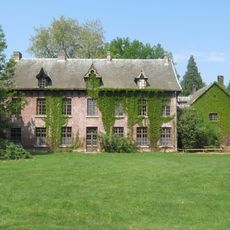
The chapel stands on the highest point of the Bolderberg, in the village of Bolderberg within Heusden-Zolder. Restoration works ran from 2004 to 2006, and since then the chapel has been open to visitors. The hermitage is once again inhabited, so the residential wing is not open to the public.
The chapel was built to match the dimensions of the Holy House of Loreto in Italy, which pilgrim Lambert Hoelen had visited between 1670 and 1672. Two carved stone relief panels on the white facade depict the Annunciation to Mary.
The community of curious travelers
AroundUs brings together thousands of curated places, local tips, and hidden gems, enriched daily by 94,295 contributors worldwide.