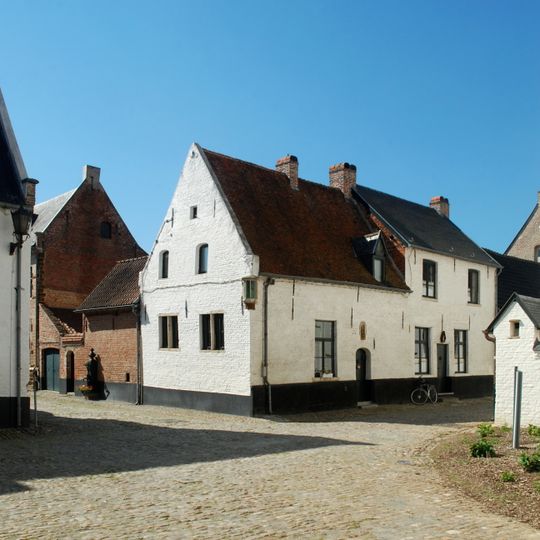
Béguinage of Diest, Medieval religious community in Diest, Belgium.
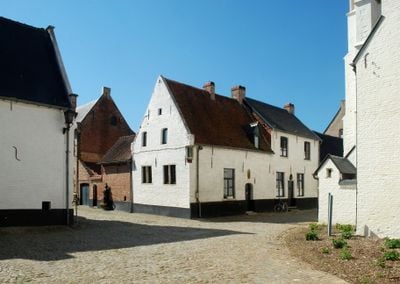
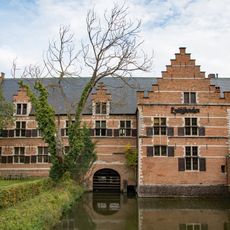
The béguinage of Diest is a walled neighbourhood of about 90 houses laid out along streets rather than around a single square, behind a monumental gate at the end of the Begijnenstraat. Around 1550 pastor Niklaas Esch replaced wattle-and-daub houses with a grid plan centred on the church, the square and the infirmary. Most surviving houses date from the 17th and 18th centuries.
The beguinage was founded in 1253 by Arnold IV, lord of Diest, who bought the land from the Abbey of Saint-Trond. Around 1550, pastor Nicolaas van Essche had the wattle-and-daub houses demolished and laid out a grid plan centred on the church, square and infirmary. The houses were gradually rebuilt, most dating from the 17th and 18th centuries.
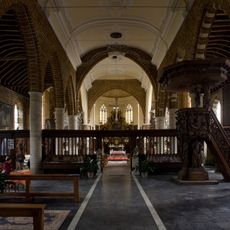
Saint Catherine Church displays religious artworks and reflects how women here lived a spiritual life without the strict rules of convents. The art and appearance of the church tell of the special place these women held in society.
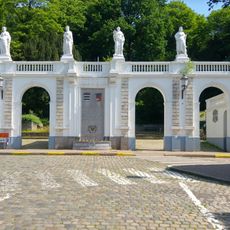
The site lies behind a monumental gate at the end of Begijnenstraat, northeast of Diest's old centre. The former infirmary now houses a cultural centre with meeting and exhibition rooms. The beguinage is a protected monument and part of the UNESCO World Heritage listing of 1998.
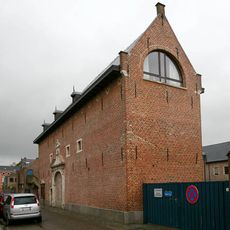
The facades feature red brick with carved niches holding saint statues throughout the complex. These details come from different periods and create a patchwork of building styles spanning multiple centuries.
The community of curious travelers
AroundUs brings together thousands of curated places, local tips, and hidden gems, enriched daily by 94,512 contributors worldwide.