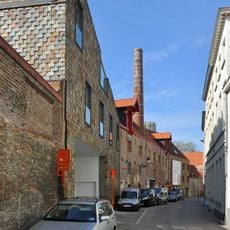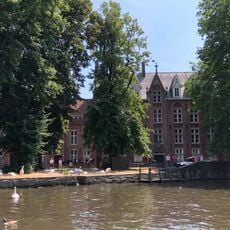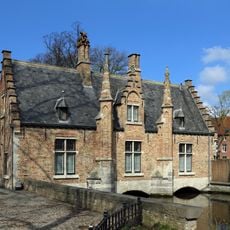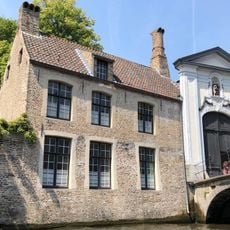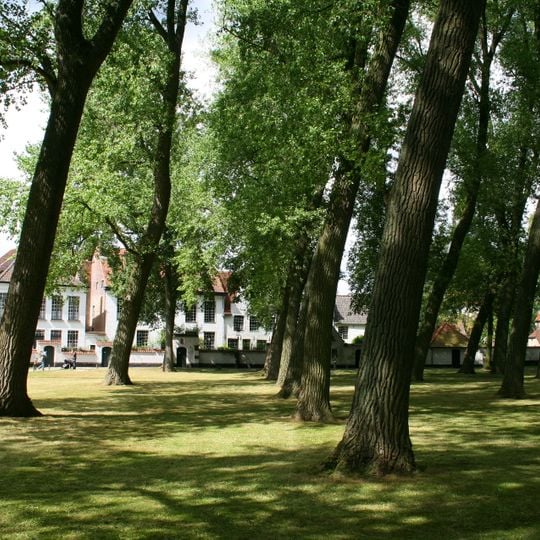
Ten Wijngaerde, Beguinage in Bruges, Belgium
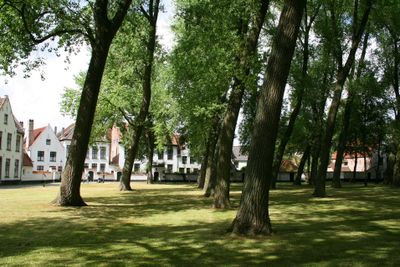
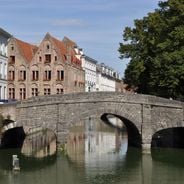
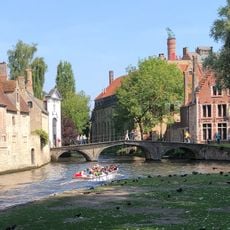
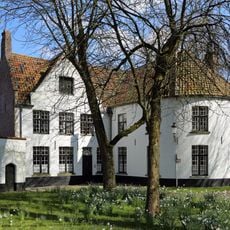
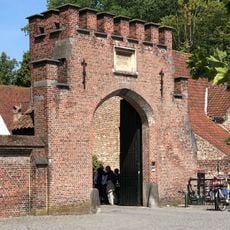
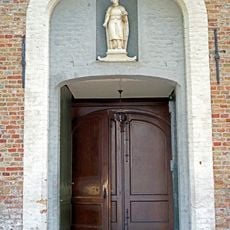
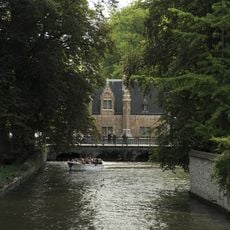
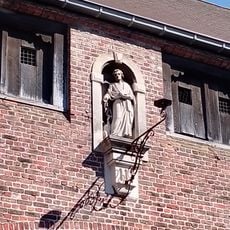
Ten Wijngaerde is a beguinage in southern Bruges whose white-painted brick houses, most from the 16th to 18th centuries, stand around a tree-planted lawn. A monumental gate of 1776, reached by a humpback bridge with a statue of Saint Elizabeth of Hungary, forms the entrance. The Gothic church of Saint Elizabeth was rebuilt after a fire in 1584 and remodelled around 1700.
This complex was founded in 1244 under the protection of Margaret of Constantinople and functioned as an independent community where women lived and worked. Benedictine nuns have occupied it since 1927, continuing the long tradition of female religious life on the site.
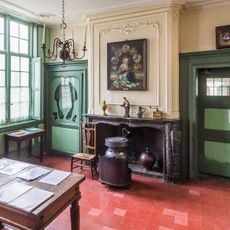
The name De Wijngaard, meaning vineyard, probably referred to the low-lying grassland where the community settled. Beguines earned their living in the cloth industry, and the many small white houses around the lawn, some from the 15th century, housed women who took no formal vows. A museum in a small house near the entrance shows their embroidery and lace work.
The grounds are open daily and invite visitors to walk quietly through the courtyard and its surroundings. Parts of the church and some houses can be visited, though the museum section is accessed separately.
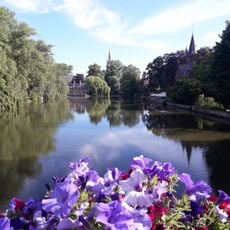
The beguinage's name, Ten Wijngaerde, probably referred to low-lying grassland, and the first beguines settled by a watercourse because fulling cloth in the wool trade needed large amounts of water. The site was also called the Princely Beguinage after 1299, when it came under the direct authority of King Philip the Fair.
The community of curious travelers
AroundUs brings together thousands of curated places, local tips, and hidden gems, enriched daily by 93,785 contributors worldwide.