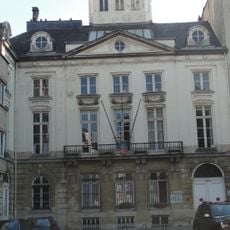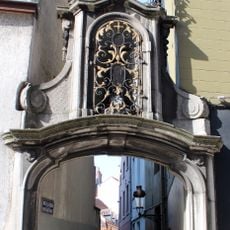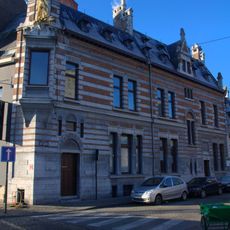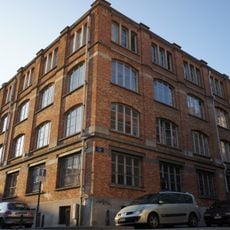
Flanders Gate, Medieval city gate in Pentagon, Belgium.
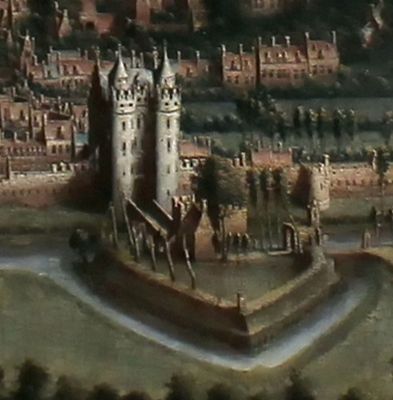
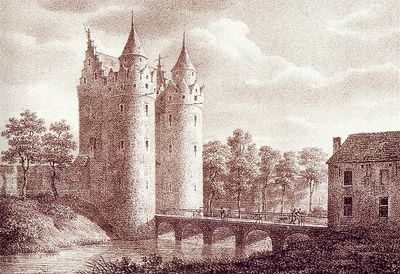
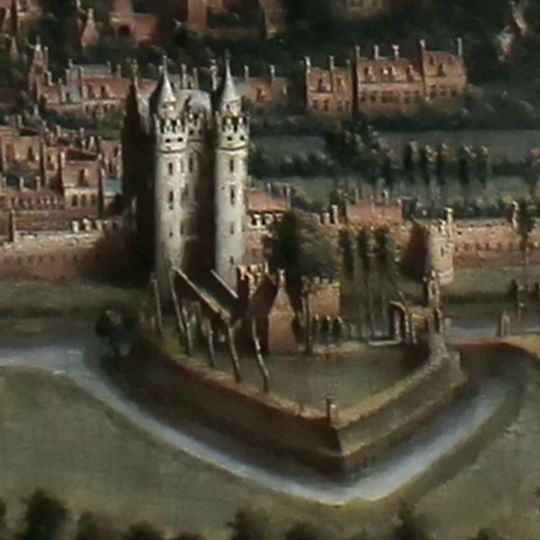
Flanders Gate was a stone fortification that formed one of seven main entrances in the second defensive walls surrounding medieval Brussels. The structure was designed as a functional checkpoint where merchants and travelers were processed before entering the city.
Built in 1380, the gate became part of a major defensive system protecting the medieval city from external threats. It remained in use for over 400 years before being demolished in 1783 when city walls were no longer needed.
The gate served as a vital checkpoint in the city's commercial life, where merchants and travelers from the Flanders region regularly passed through on business journeys. It represented an important symbolic boundary between the city and the surrounding territories.
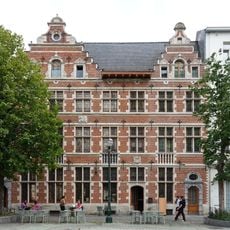
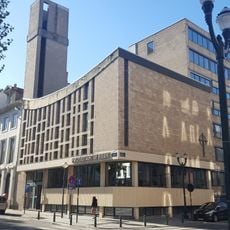
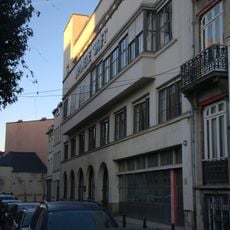
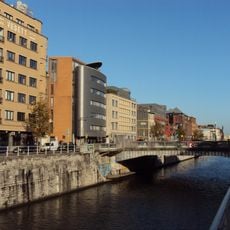
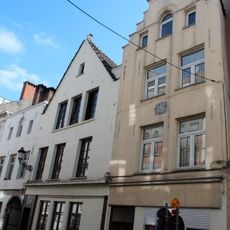
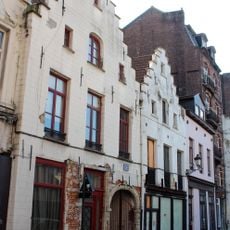
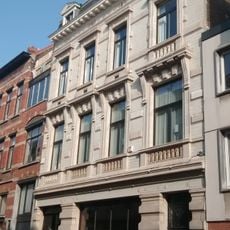
The gate stood on present-day Rue Antoine Dansaert in central Brussels, making it convenient for tracking the city's historical layout when walking the area. The location offers a useful reference point for understanding how the medieval defensive perimeter once shaped urban growth.
Artist Jan Baptist Bonnecroy painted the gate in his works, creating visual records that preserved its appearance before demolition. These paintings remain valuable today because they show how the structure once looked within the city landscape.
The community of curious travelers
AroundUs brings together thousands of curated places, local tips, and hidden gems, enriched daily by 92,734 contributors worldwide.