Aachen Formation, Geological formation in Liège region, Belgium.
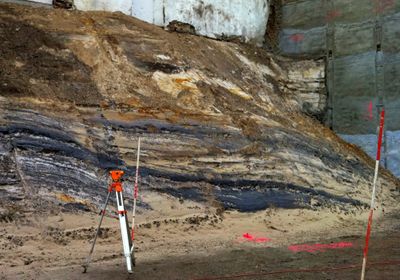
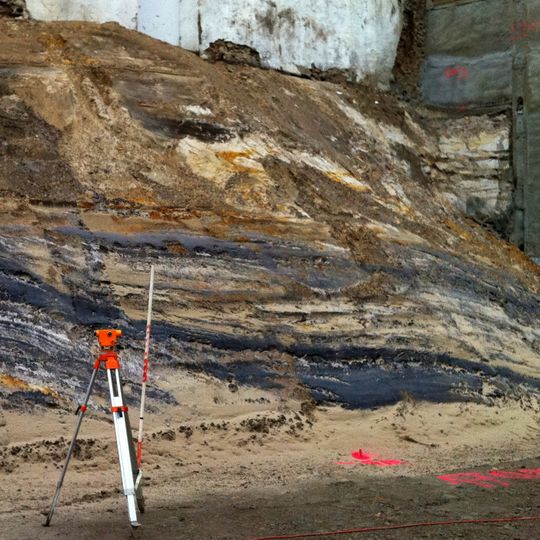
The Aachen Formation is a geological layer spanning Belgium, Germany, and the Netherlands, composed of chalk, marl, and limestone. These rocks formed roughly 70 million years ago when a shallow sea covered the region and gradually deposited sediments.
This rock formation developed at the end of the Cretaceous period as the European Chalk Sea withdrew, leaving behind different sediment types. Scientists described and named the formation in the 19th century after examining the rocks in this cross-border area more closely.
The formation serves as a natural laboratory for geology students from Belgian universities who conduct regular field studies and research projects.
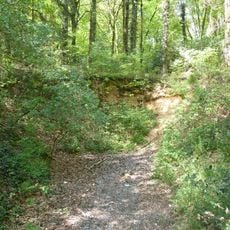
The formation is best observed at natural rock exposures along riverbanks and in quarries throughout the Liège area. Many of these sites are accessible via local hiking trails that connect one exposure to another.
The limestone layers contain well-preserved fossils of sea animals and plants from millions of years ago. These fossils help researchers understand how the ancient sea's ecosystem functioned.
The community of curious travelers
AroundUs brings together thousands of curated places, local tips, and hidden gems, enriched daily by 91,249 contributors worldwide.