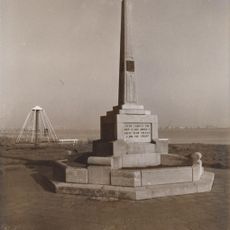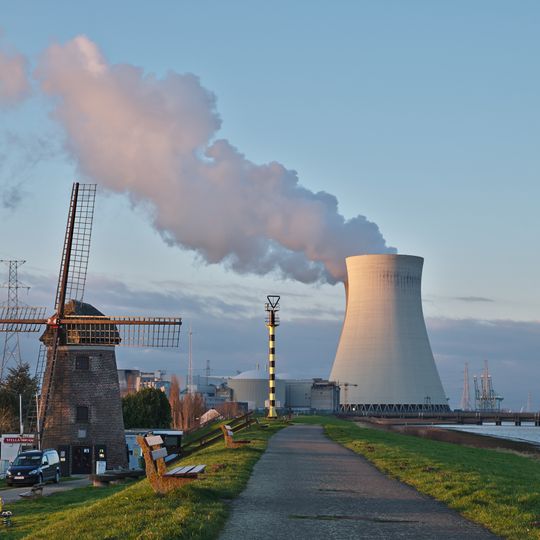
Doel, Historical village near Scheldt River in Beveren, Belgium.
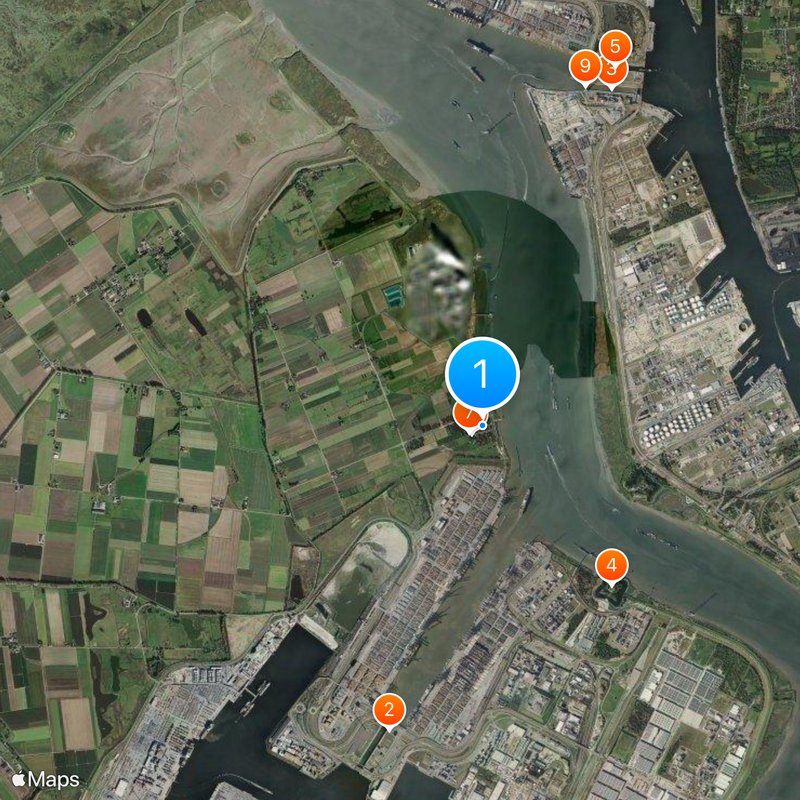
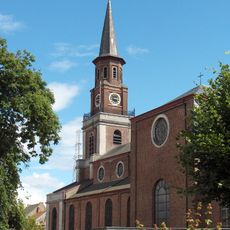
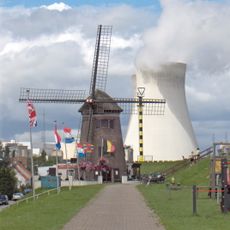
Doel is a village on the left bank of the Scheldt River in Beveren, close to the Dutch border in East Flanders. The settlement spreads across flat terrain at roughly two meters elevation and consists of brick buildings along narrow streets that run down toward the river.
The settlement first appears in records in 1267 as De Doolen, at a time when the marshy plain was used for turf extraction. During the 13th century, the site grew into an important location for peat harvesting before dikes and canals later drained the water from the fields.
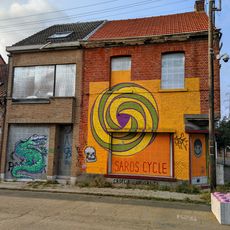
The Belgian name derives from an old Dutch term for marshy lowland and points to the landscape before drainage efforts transformed the area. Visitors today see a quiet settlement with empty houses, their facades covered in wall paintings created by people from across Europe.
The village can be walked or cycled through, though many buildings stand empty. Visitors should be aware that infrastructure is limited and most houses remain uninhabited, which gives the area a particular character.
The few remaining residents live among graffiti facades created by international artists over decades. The empty houses display motifs ranging from abstract murals to portrait paintings, turning the village into a kind of open-air gallery.
The community of curious travelers
AroundUs brings together thousands of curated places, local tips, and hidden gems, enriched daily by 92,297 contributors worldwide.