Schmerling Caves, Archaeological cave system in Flémalle, Belgium
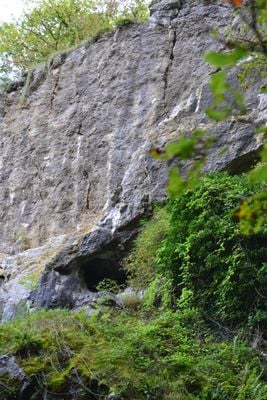
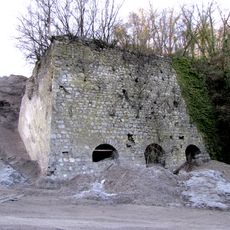
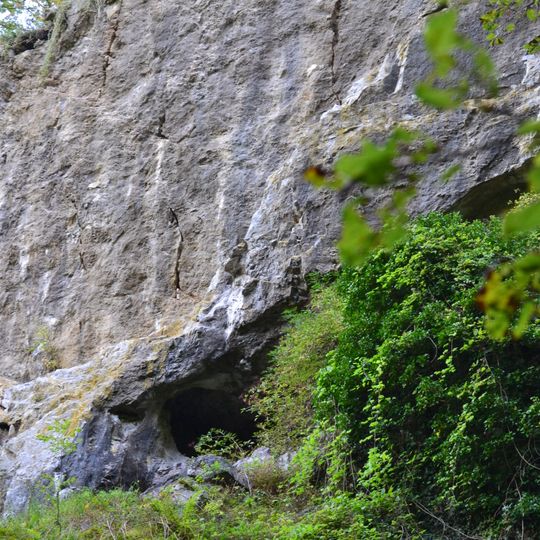
The Schmerling Caves open in a limestone cliff on the right bank of the Awirs stream. The upper cave, facing north, measures 5 m wide, 6 m high and 17 m deep, with a small gallery on the right. The lower cave, Trô Cwaheur, 4 m wide and 5 m high, collapsed in 1993 and 2006. A third cave was destroyed by quarrying.
The physician and paleontologist Philippe-Charles Schmerling made his groundbreaking discovery of Neanderthal fossils in 1829 at this site. His finds in these caves became key evidence for understanding early human existence in Europe.
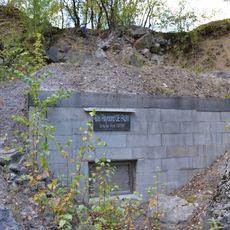
Schmerling named the caves after Engis because he reached them from the Plateau des Fagnes in that commune, though they lie in Awirs. In 1951 a local group placed a plaque at the lower cave correcting the name to Schmerling Cave. The child's skull Engis 2, now a classified treasure of the French Community, was not recognized as Neanderthal until 1936.
Access to the caves is restricted due to structural damage and safety concerns, so visitors should check in advance about what sections are open. The site sits close to an active quarry, which has affected the preservation of parts of this formation.
The child's skull found here, Engis 2, lay forgotten in a crate at the University of Liège for about a century. Only in 1936, at the suggestion of the Polish scientist G. Loth, did Charles Fraipont re-examine it and date it to 50,000–35,000 years ago. Schmerling had thought the bones belonged to three individuals.
The community of curious travelers
AroundUs brings together thousands of curated places, local tips, and hidden gems, enriched daily by 93,965 contributors worldwide.