Plantentuin, Botanical garden and urban park in District of Antwerp, Belgium.
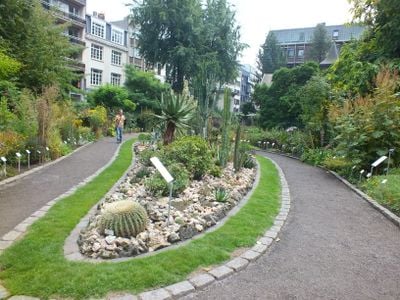
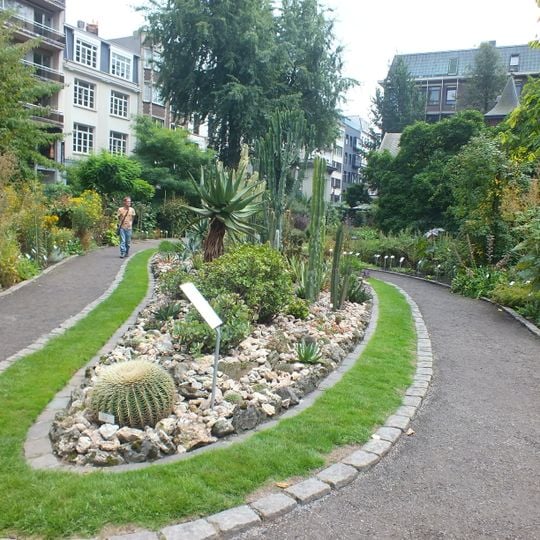
Plantentuin is a botanical garden and urban park in Antwerp that features organized pathways connecting different plant collections and themed garden sections. The site includes greenhouses and outdoor areas arranged to showcase both native and non-native plant species.
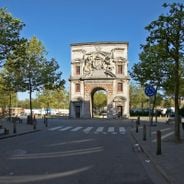
The garden was laid out in its present form in 1825 by doctor Claude-Louis Sommé to support lessons in external pathology at the École de médecine. Its entrance gate on the south side was designed by Pierre Bruno Bourla in 1826, and the gardeners' house dates from 1870. Botanist Henri Van Heurck reorganised the garden in 1878, and the city of Antwerp has managed it since 1926.
The garden is named after Peeter van Coudenberghe, a 16th-century Antwerp apothecary whose own herb garden preceded it; a statue of him by Pierre-Joseph De Cuyper was placed here in 1869. The Orangerie facade carries the names of botanists De L'Escluse, De L'Obel, Van Sterbeeck, Dodoens and Dumortier, and busts of Linnaeus and De Jussieu stand inside.
The garden is located near central Antwerp and remains open throughout the year with clear pathways guiding visitors through different sections. Informational signage throughout the site helps visitors understand the plant collections on display.
A local legend claims the pond once served as a leech pit for breeding leeches, but the leeches used at Sint-Elisabethgasthuis were always imported from France. Since 1996 the garden has also held a fern corner with native species such as hart's-tongue, royal fern and bracken.
The community of curious travelers
AroundUs brings together thousands of curated places, local tips, and hidden gems, enriched daily by 93,471 contributors worldwide.