Aula Academica, Protected neoclassical assembly hall in Ghent, Belgium
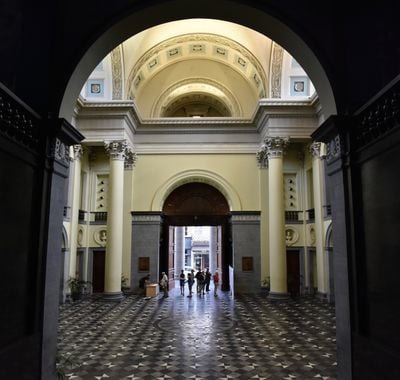
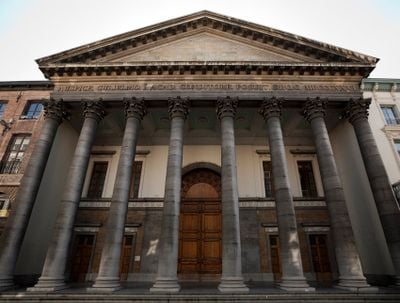
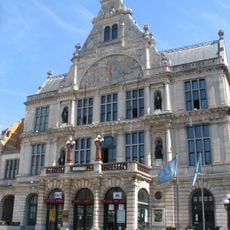
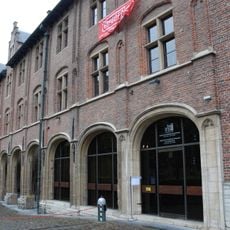
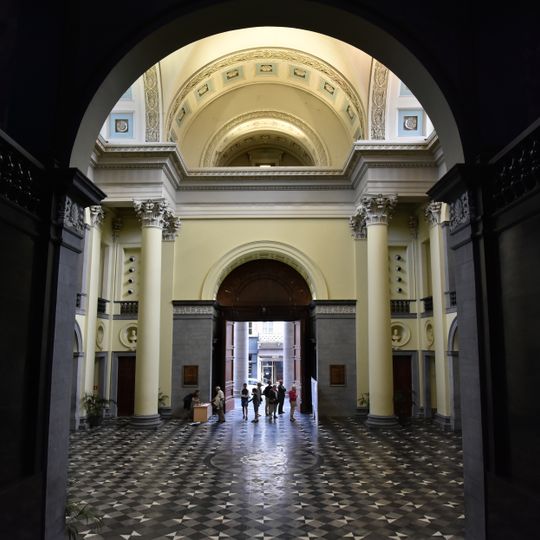
Aula Academica is a neoclassical hall on Voldersstraat, designed by Louis Roelandt and opened in 1826. Its facade carries a pediment and a frieze inscribed "AUSPICE GULIELMO ACAD. CONDITORI POSUIT S.P.Q.G. MDCCCXXXV"; the eight Corinthian columns came from the former infirmary of the Sint-Pietersabdij. Inside, pale yellow walls rise to a barrel-vaulted ceiling with square coffered panels, and fluted columns stand on grey stone bases above a diagonal checkerboard floor.
After Ghent University was founded in 1817, architect Louis Roelandt designed this ceremonial building, which officially opened in 1826. The structure emerged as part of the city's early academic institutions and reflected the importance education held for the region.
The Aula hosts the opening of the academic year, proclamation ceremonies, emeritus celebrations, symposia and congresses. In 1849 the Nederlands Letterkundig Congres met here, seeking a new direction for the Flemish Movement. In 1988 the building replaced the old coat of arms with Minerva as the emblem of Ghent University.
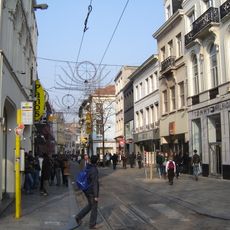
The Aula stands on the Voldersstraat, its six-column facade facing the street; the entrance is through the tall central wooden door beneath the pediment. It is a working university hall, opened for ceremonies, symposia and congresses rather than kept as a museum, so visitors should check whether an event admits the public before coming. The building has been a protected monument since 1995.
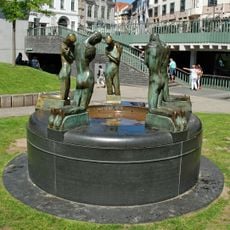
In 1988 the Aula replaced the university's former coat of arms bearing Minerva as the institution's emblem. In 2000 Jan Fabre's controversial sculpture "de benen van de rede ontveld" was installed at the columns in front of the building.
The community of curious travelers
AroundUs brings together thousands of curated places, local tips, and hidden gems, enriched daily by 93,524 contributors worldwide.