Anderlecht Gate, Octroi gate in City of Brussels, Brussels, Belgium
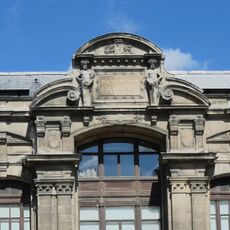
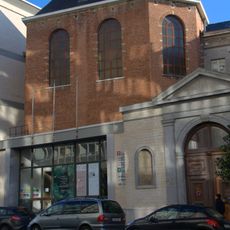
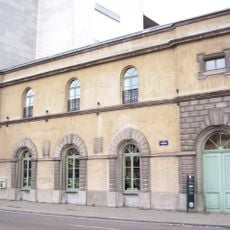
Anderlecht Gate is a neoclassical structure at the intersection of Boulevard Maurice Lemonnier and Boulevard du Midi with symmetrical design and stone walls. Today it houses the Brussels Sewer Museum and serves as a key landmark in this part of the city.
A document of 4 May 1359 first mentions a "Nuwe poerte bij den Cruyskene", confirmed in 1432 as the Anderlechscher poorten, one of seven gates on the second wall, guarding the road to Mons. Used as a prison from 1747, it was demolished in 1783-1784. City architect Auguste Payen drew plans in 1833 for two symmetrical neoclassical toll pavilions, built 1834-1836 in the middle of the boulevards.
The gate takes its name from the neighboring Anderlecht district and continues to shape the character of this corner of Brussels. Visitors see here a piece of urban history integrated into the modern city landscape.
The structure sits at a busy street corner and is easily accessible by public transport. Visiting the museum inside requires time to explore the underground spaces and exhibits at a comfortable pace.
The pavilions were dismantled in 1950 during the covering of the Senne at Ransfort, their stones carefully numbered, then rebuilt a few months later set back from their original spot. Since 1988 the pavilions and their basement house the Sewer Museum.
The community of curious travelers
AroundUs brings together thousands of curated places, local tips, and hidden gems, enriched daily by 94,551 contributors worldwide.