Heraclea Sintica, Archaeological site in Rupite, Bulgaria
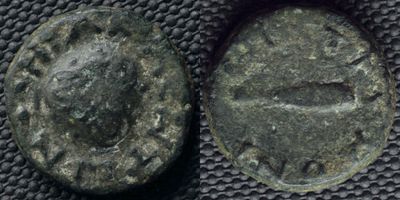
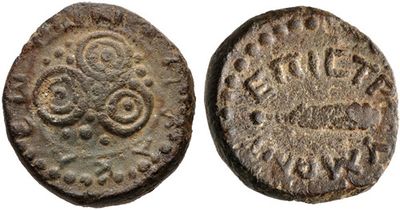
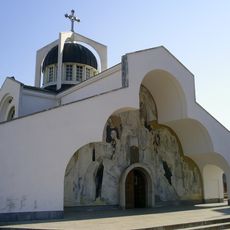
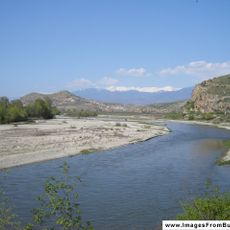
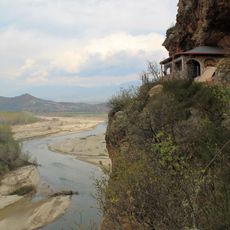
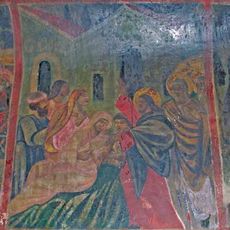
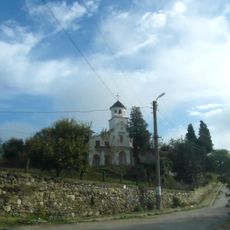
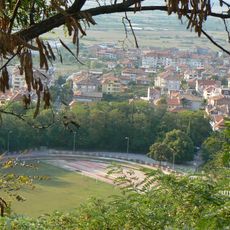
Heraclea Sintica is an ancient city whose remains are scattered across the southern slope of Mount Kozhuh, showing traces from different historical periods. Visitors can see old street layouts, building foundations, and stone walls that indicate the site was occupied for a long time.
The city was founded in the 4th century BCE and served as an important center in the Thracian region for centuries. It only received official Roman recognition much later, in 308 CE.
The name comes from Heracles in Greek mythology, reflecting how the ancients viewed this settlement. Walking through the ruins, you can observe how buildings were arranged on the slope and get a sense of how people organized their daily activities here.
The site sits on a slope, so sturdy shoes and extra time for slow exploration are important. It helps to enter from the top and work your way down gradually through the ruins.
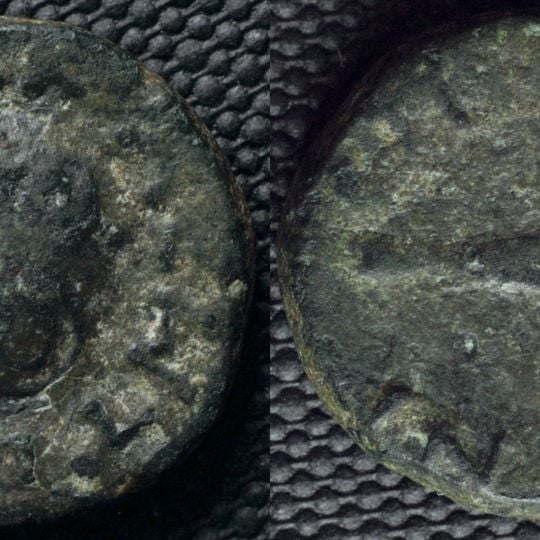
A Latin inscription found in 2002 finally confirmed that this location is indeed Heraclea Sintica. This discovery ended a hundred-year debate among scholars about where exactly the ancient city had stood.
The community of curious travelers
AroundUs brings together thousands of curated places, local tips, and hidden gems, enriched daily by 92,689 contributors worldwide.