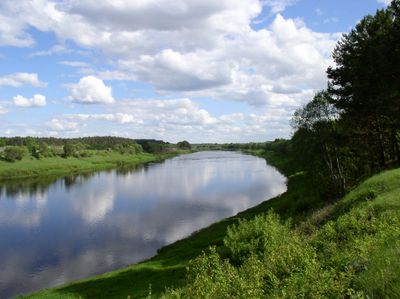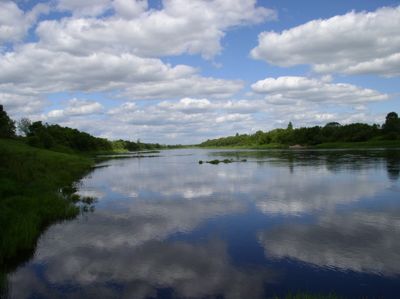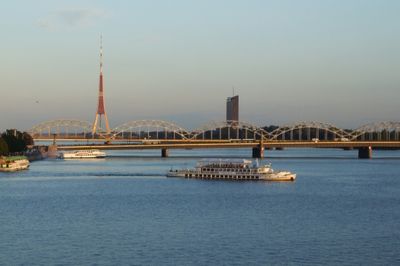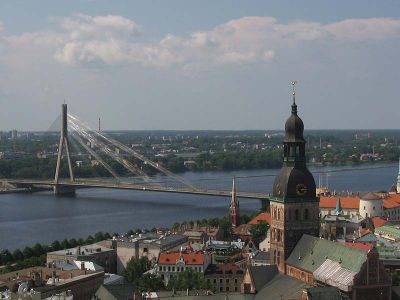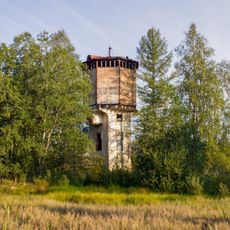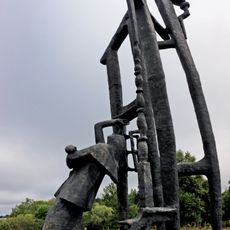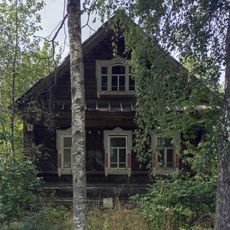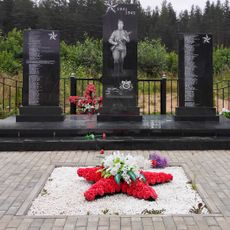
Daugava, Transboundary river in Vitebsk Region, Russia.
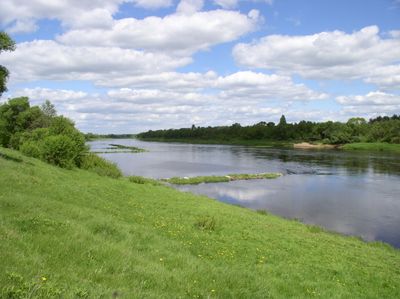
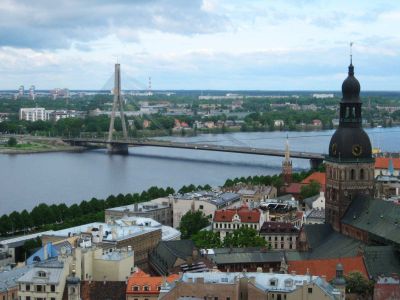
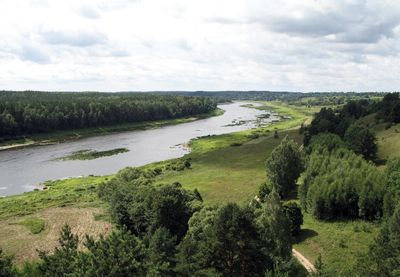
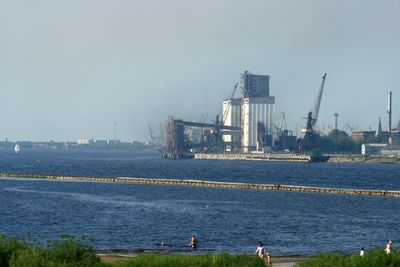
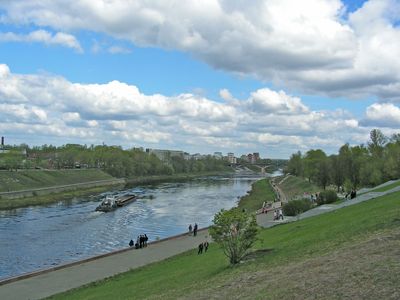
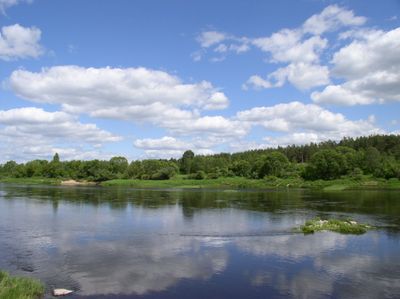
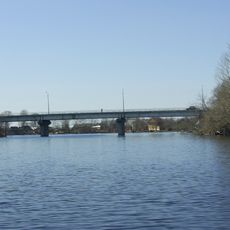
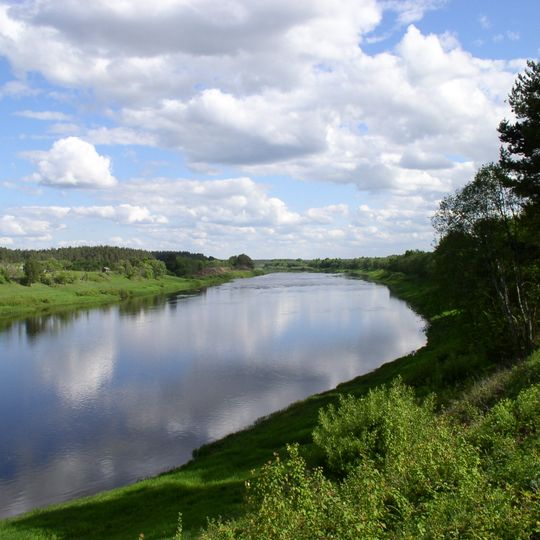
The Daugava is a transboundary river in Vitebsk Region in Russia, as well as Belarus and Latvia, rising in the Valdai Hills and flowing 1,020 kilometers into the Gulf of Riga in the Baltic Sea. It crosses forests and plains, forms several reservoirs, and receives many tributaries on its journey through three countries.
In medieval times the waterway formed a key section of the trade route between northern regions and Byzantium for fur and silver exchange. Later several hydroelectric plants were built along its course, changing the economic life of the neighboring areas.
The name comes from Indo-European words for large waters and shows the importance of the waterway for different peoples. Fishermen and residents use its banks today for leisure activities and as access to smaller lakes in the basin.
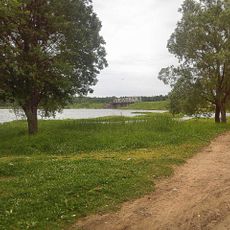
The watercourse is mostly accompanied by bank paths and allows access to the water at many points for walks or boat trips. It carries water throughout the year, with spring and summer being the best times for visits along the banks.
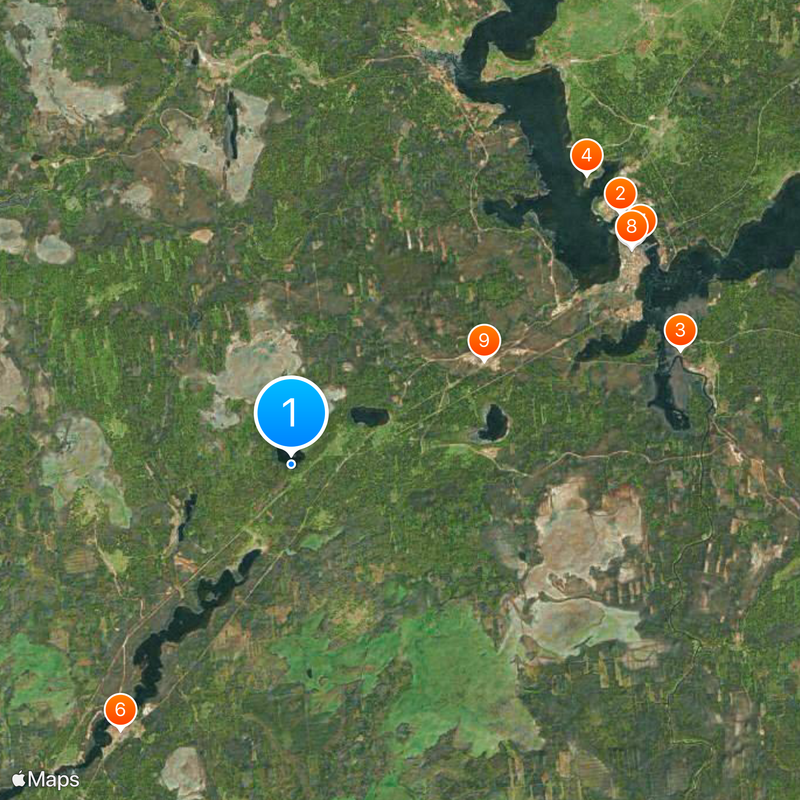
The drainage basin contains more than 5,000 lakes spread across three countries, forming a wide network of smaller bodies of water. This multitude of lakes makes the region an area with an unusually high number of interconnected water surfaces.
The community of curious travelers
AroundUs brings together thousands of curated places, local tips, and hidden gems, enriched daily by 60,000 contributors worldwide.