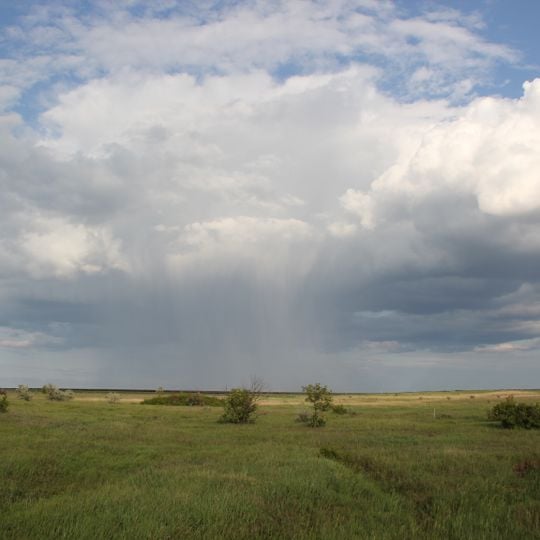
East European Plain, Continental plain stretching across Russia and neighboring countries.
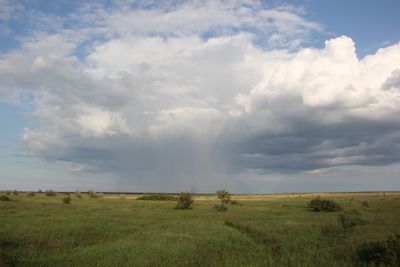
The East European Plain covers much of Russia and neighboring countries, forming one of the largest continuous lowlands on Earth. Gentle hills alternate with endless fields, crossed by slow-moving rivers and scattered strips of forest.
Armies moved across this plain heading east and west, including Napoleonic troops in the early 19th century. Later, the area became the scene of major battles and movements during the Second World War.
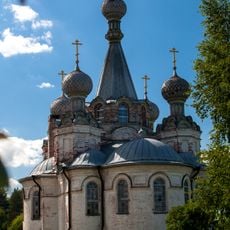
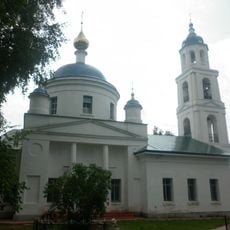
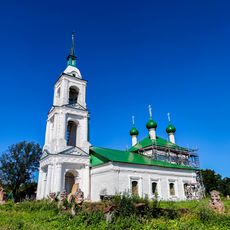
The flatland shaped how people lived for centuries, growing wheat and building villages along the rivers. Even now, open fields, wooden houses, and church spires define the rural look of many areas.
Travelers usually cross the area on main roads between cities, passing through long, level stretches. Those turning off into smaller villages often find unpaved tracks and little signage beyond the major routes.
The low height difference over thousands of kilometers makes travel unusually uniform, with barely visible slopes across wide distances. Those riding the train often see nearly the same horizon for hours.
The community of curious travelers
AroundUs brings together thousands of curated places, local tips, and hidden gems, enriched daily by 90,813 contributors worldwide.