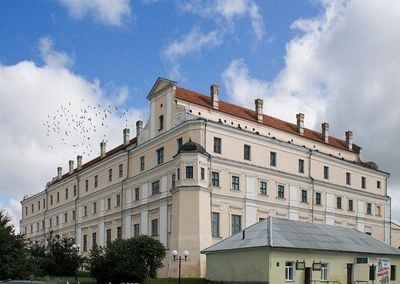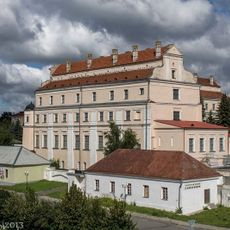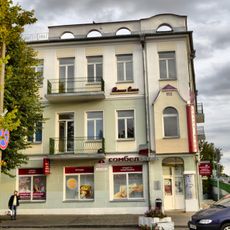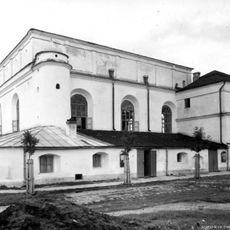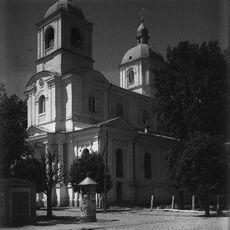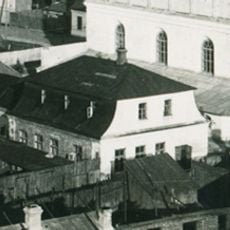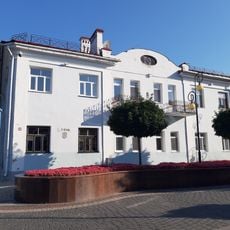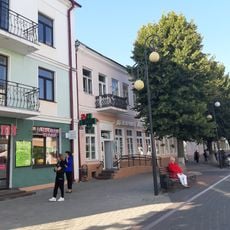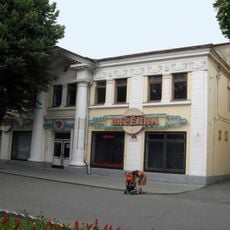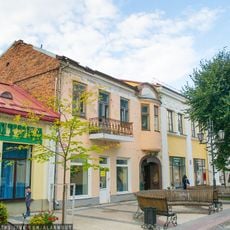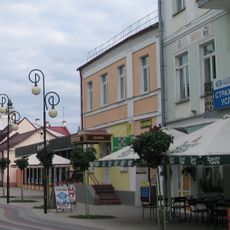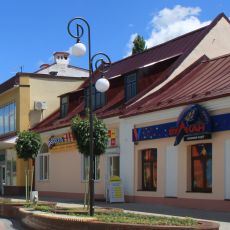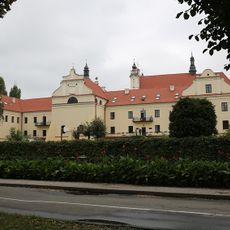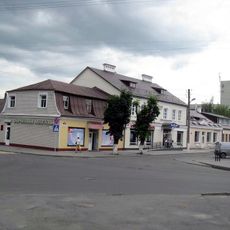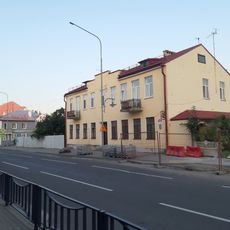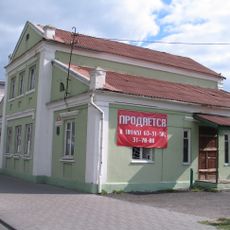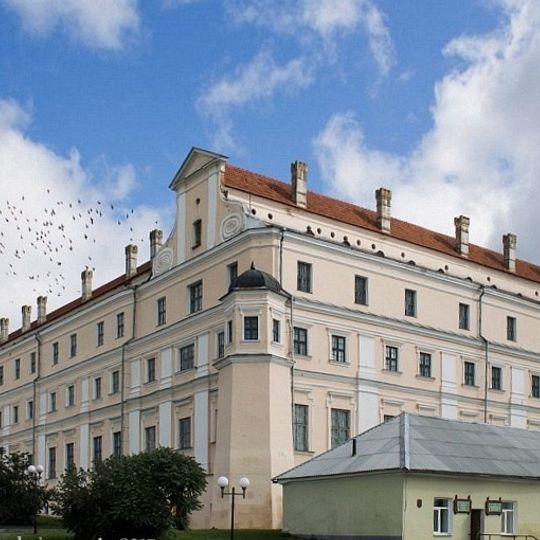
Jesuit College in Pinsk, Jesuit college in Pinsk, Belarus.
The Jesuit College is a stone building begun in 1667 on the site of Pinsk's old castle, with its walls finished in 1675 and defensive walls and a gate facing the Pina River added between 1673 and 1693. Its exterior shows Renaissance and Baroque features; the interiors have lost their original appearance. Part of the complex now houses the Museum of Belarusian Polesie.
In 1630 Mikołaj Jelski funded a Jesuit mission house in Pinsk; Albrycht Stanisław Radziwiłł issued the foundation act for a residence on 10 October 1632, and a college was established in 1638. The complex was repeatedly destroyed during the Khmelnytsky Uprising and wars of the 1650s–1660s. A new brick building was begun in 1667, its walls finished in 1675, and the college operated until the order's suppression in 1773.
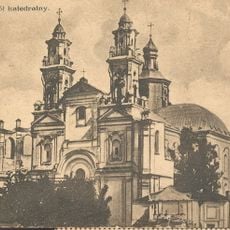
The college's church was dedicated to St Stanislaus the Bishop; its consecration in 1647 was performed by Mikołaj Krasicki, suffragan bishop of Lutsk. The college also ran a public chapel opened near the residence in 1633. Today part of the former college houses the Museum of Belarusian Polesie, which presents the region's history and folk culture.
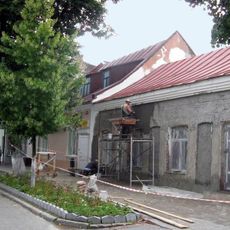
Comfortable shoes are recommended because there are many staircases and long corridors to navigate. Access to certain sections may be limited at times due to ongoing maintenance or restoration work.
The college's alumni include Adam Naruszewicz (1733–1796), historian, poet and public figure, and Karol Wyrwicz (1717–1793), philosopher and rector of the University of Warsaw. The complex also housed a school, a bursa and a hospital, and part of it now holds the Museum of Belarusian Polesie.
The community of curious travelers
AroundUs brings together thousands of curated places, local tips, and hidden gems, enriched daily by 94,131 contributors worldwide.