Museum of Belarusian Palessie, Regional museum in Pinsk, Belarus
The Museum of Belarusian Palessie is a regional museum in Pinsk dedicated to the history and culture of the Palessie region. The exhibits feature artifacts connected to the traditional ways of life, customs, and the natural environment of this lowland area.
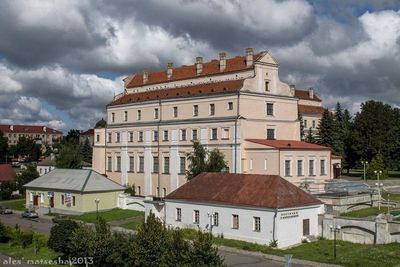
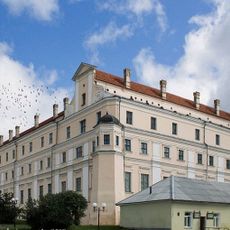
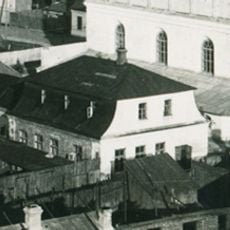
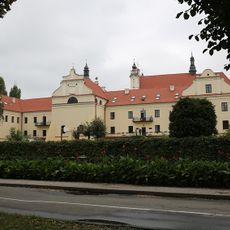
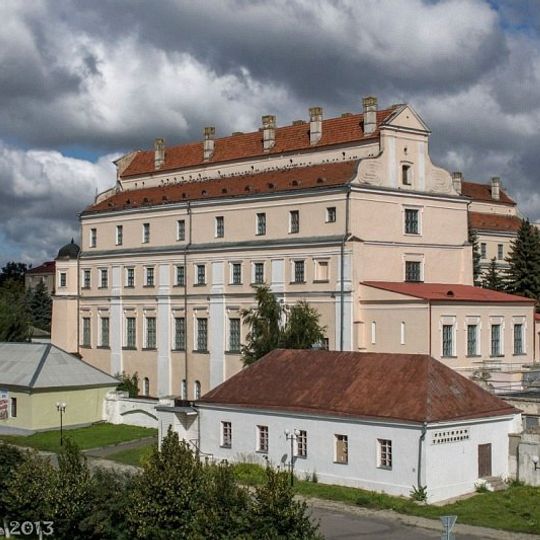
The Polessie Regional History Society resolved on 17 October 1924 to create a regional museum, which opened its doors on 1 July 1926 in two rooms on what is now Lenin Street. It became the Pinsk Regional History Museum in 1939, took the name Belarusian State Museum of the Socialist Transformation of Polessie in 1978, and received its current name on 1 November 1990. Since 1996 the exposition has occupied two floors of the 17th-century former Jesuit collegium.
The permanent collection displays traditional clothing, household goods, and craft tools that reflect how people in this region lived their daily lives. These objects offer a direct sense of the customs and domestic routines that shaped family life across generations.
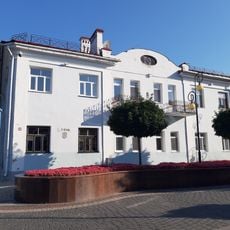
The museum occupies the two upper floors of the former Jesuit collegium, a 17th-century building in the old centre of Pinsk. The permanent exhibition is arranged across 11 halls, so allow enough time to walk through them in sequence. The building is a historic structure, and visitors with limited mobility should check access to the upper floors in advance.
The collection includes objects that show the ecological features of Palessie, one of Europe's wettest and most marshy regions. This focus on environmental history sets the institution apart from many other museums in the region.
The community of curious travelers
AroundUs brings together thousands of curated places, local tips, and hidden gems, enriched daily by 94,608 contributors worldwide.