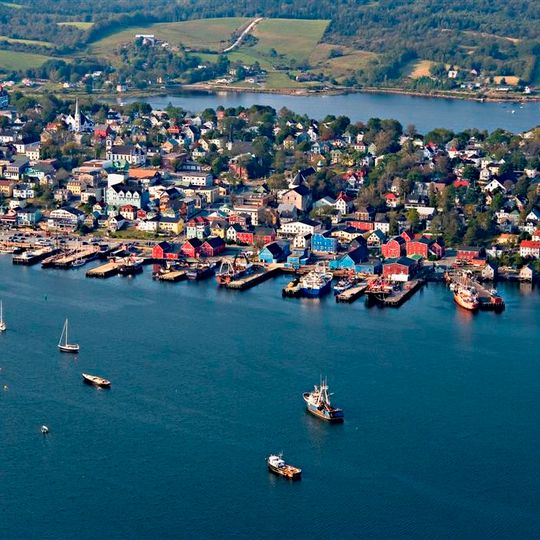
Lunenburg, Coastal heritage town in Nova Scotia, Canada
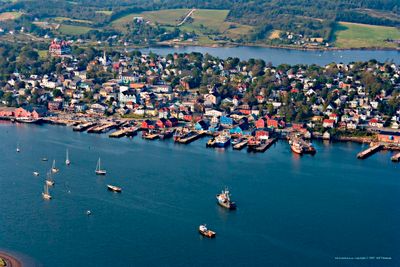
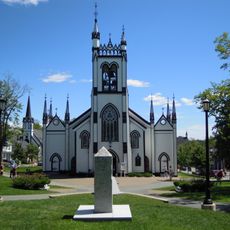
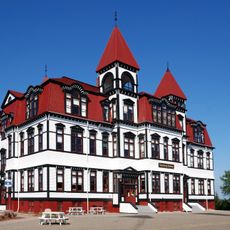
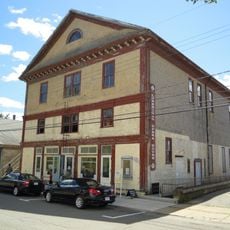
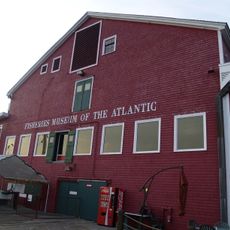
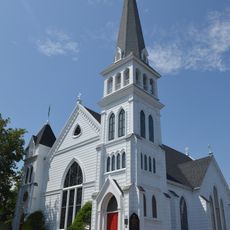
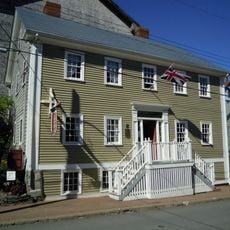
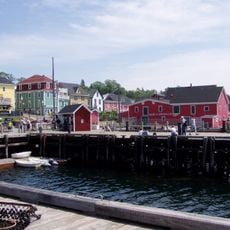
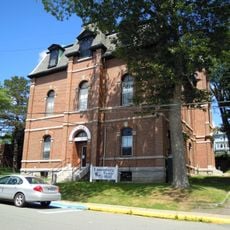
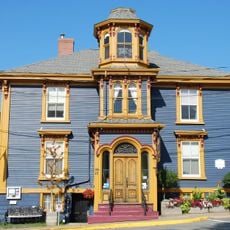
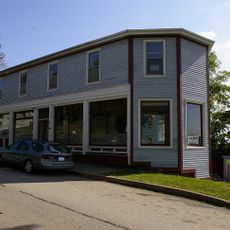
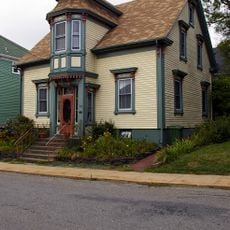
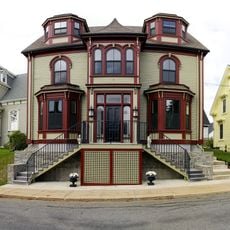
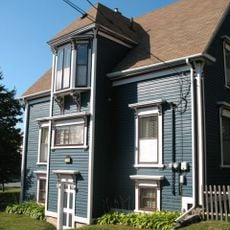
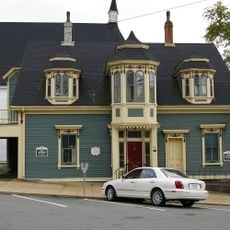
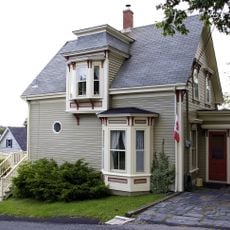
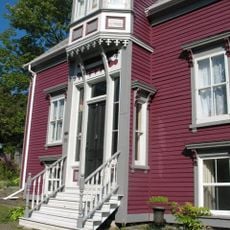
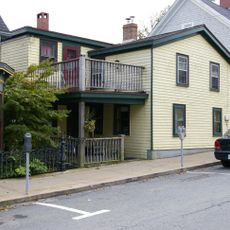
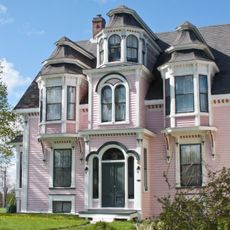
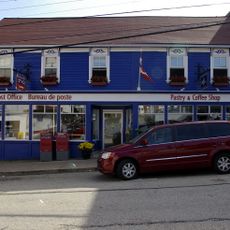
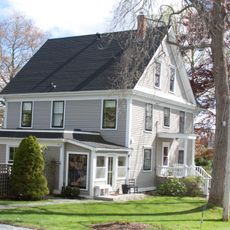
Lunenburg is a coastal town in Lunenburg County, Nova Scotia, where colorful wooden buildings line a rectangular street grid that slopes down toward the Atlantic harbor. The architecture dates mainly from the 18th and 19th centuries and shows typical elements of British colonial times with steep roofs and wooden facades.
British colonists founded the settlement in 1753 to establish Protestant families from Germany, Switzerland and France in Nova Scotia. Shipbuilding and fishing shaped the economic development over two centuries and made the place a major maritime center.
The town displays traditional wooden houses painted in bright reds, yellows and blues that reflect the maritime heritage of the region. This coloring comes from the practice of fishermen who painted their homes with leftover boat paint, creating a recognizable appearance.
The approach follows Route 103 from Halifax, with regular bus connections linking both places several times daily. The streets in the historic center are steep and can become slippery when wet, so sturdy footwear is recommended when exploring on foot.
The Bluenose II, a wooden schooner that continues the legacy of the original racing vessel, docks at the waterfront during summer months and serves as a floating ambassador for Nova Scotia. The original was built here in the 1920s and won numerous international races before becoming the symbol of the province.
The community of curious travelers
AroundUs brings together thousands of curated places, local tips, and hidden gems, enriched daily by 91,430 contributors worldwide.